

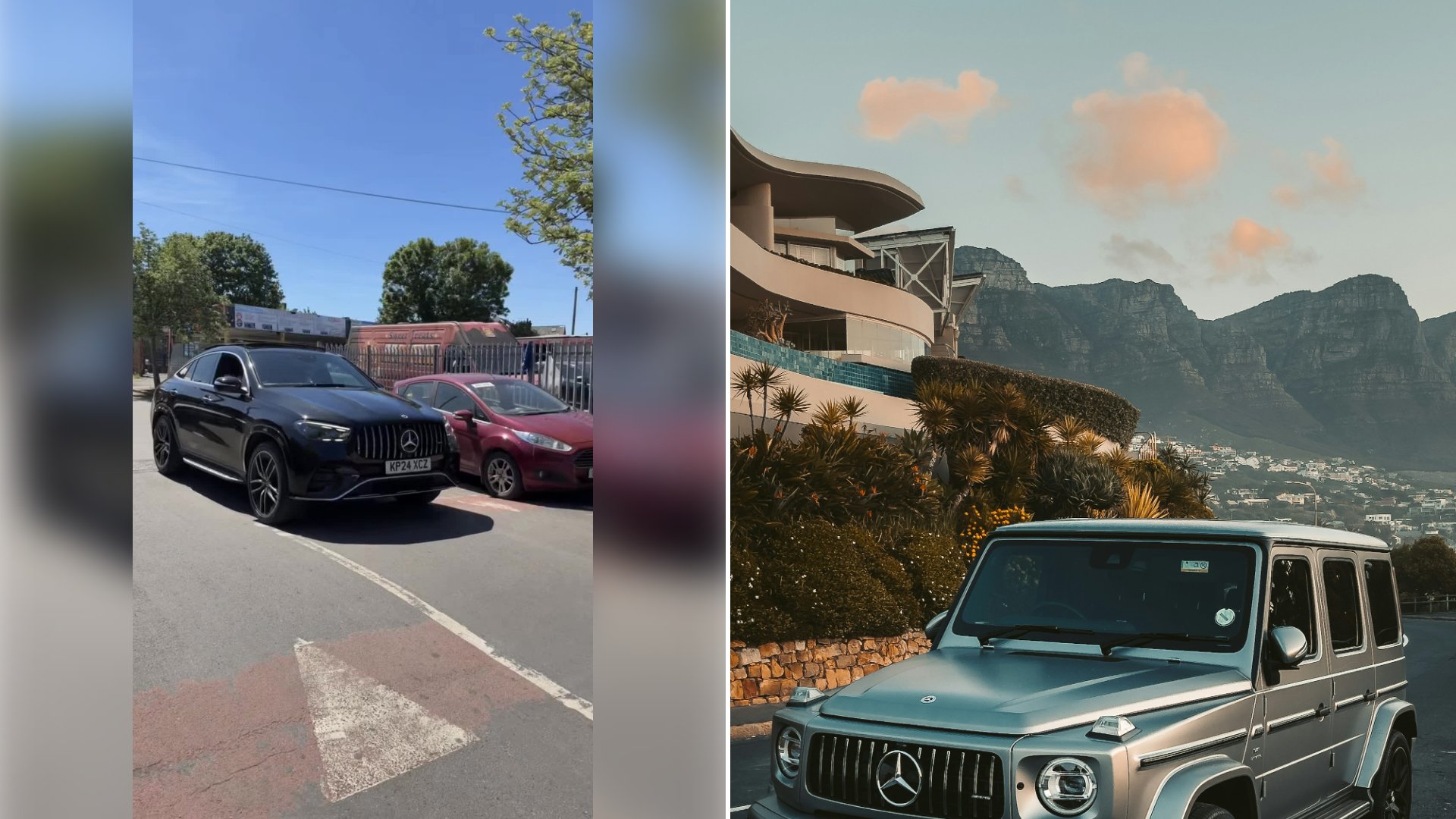
A video from Oye Automobiles, based in Bolton, England, shows a black Mercedes-AMG GLE parked on a residential street, with a caption that reads like the start of a cautionary tale: “This could be the BIGGEST mistake I’ve ever made… 😳 I bought a £100K Mercedes that NOBODY could even open. 🔒” Tagged #MercedesGLE, #CarTok, #CarRebuild, and #SalvageRebuild, the video pulled in 101,900 likes, 682 comments, 4,573 saves, and 2,930 shares.
@oyeballer84 I bought a £100K Mercedes that NOBODY could even open
A car that nobody can open isn’t a locksmith problem on a modern Mercedes, it’s an electronics problem, and the GLE’s electronic steering lock sits right at the center of it. FCP Euro’s write-up on the component describes the ESL as a security module that’s supposed to keep the vehicle from being steered unless the correct key is present, and when it fails, the symptom owners report is turning the key and getting “absolutely no response” from the car at all. The article calls ESL failure “all too common” specifically on Mercedes C-Class and E-Class models, and a dealer-level fix on a failed unit can run $1,500 or more before parts and labor on anything else the car might need.
The #SalvageRebuild hashtag on this video points to exactly the kind of history that makes an ESL failure, or any electronics fault, more likely to show up on a car like this one. Car.co.uk’s guide to UK insurance write-off categories explains that a Category N write-off means a car was judged damaged beyond economical repair with no structural damage, but the damage behind that judgment regularly includes wiring, electronics, and interior systems rather than the bent metal people picture when they hear “written off.” A Category N history has to be legally disclosed to a buyer, the guide notes, and failing to do so is a criminal offense, but disclosure only tells a buyer the car was written off for electrical or cosmetic reasons, not which specific systems were affected or whether they were properly repaired before resale.
That gap is what makes a £100K salvage rebuild a genuine gamble even for a buyer who went in with eyes open. Car.co.uk’s guidance for anyone considering a written-off car is to request the full paper trail before buying, the V5C registration document, the MOT history, parts receipts, service records, and the insurance claim record showing exactly which category applies, then get an independent mechanic’s inspection rather than relying on the seller’s word that the repair was done right. For a car that locks a new owner out entirely, that inspection is the difference between a documented, properly repaired salvage rebuild and a six-figure vehicle nobody can actually drive.
More from Steel Horse Rides
- Buyer Says He Bought a 90K Mile Bentley Continental GTC Sight Unseen at Auction, Then Finds a Check Engine Light, a Parking Brake Failure and a Fuel Door That Won’t Open
- Buyer Finds Peeling Dash Leather and a Window Taped Over With Plastic on a Yellow 2020 Mercedes AMG GT R, Then Jump Starts It and Says It Would Pass for a Flood Car
- Mechanic Pulls a Snapped Crankshaft Apart in Two Pieces on the Shop Bench, Says the Car Drove In Like That and Jokes the Customer Only Wanted an Oil Change