

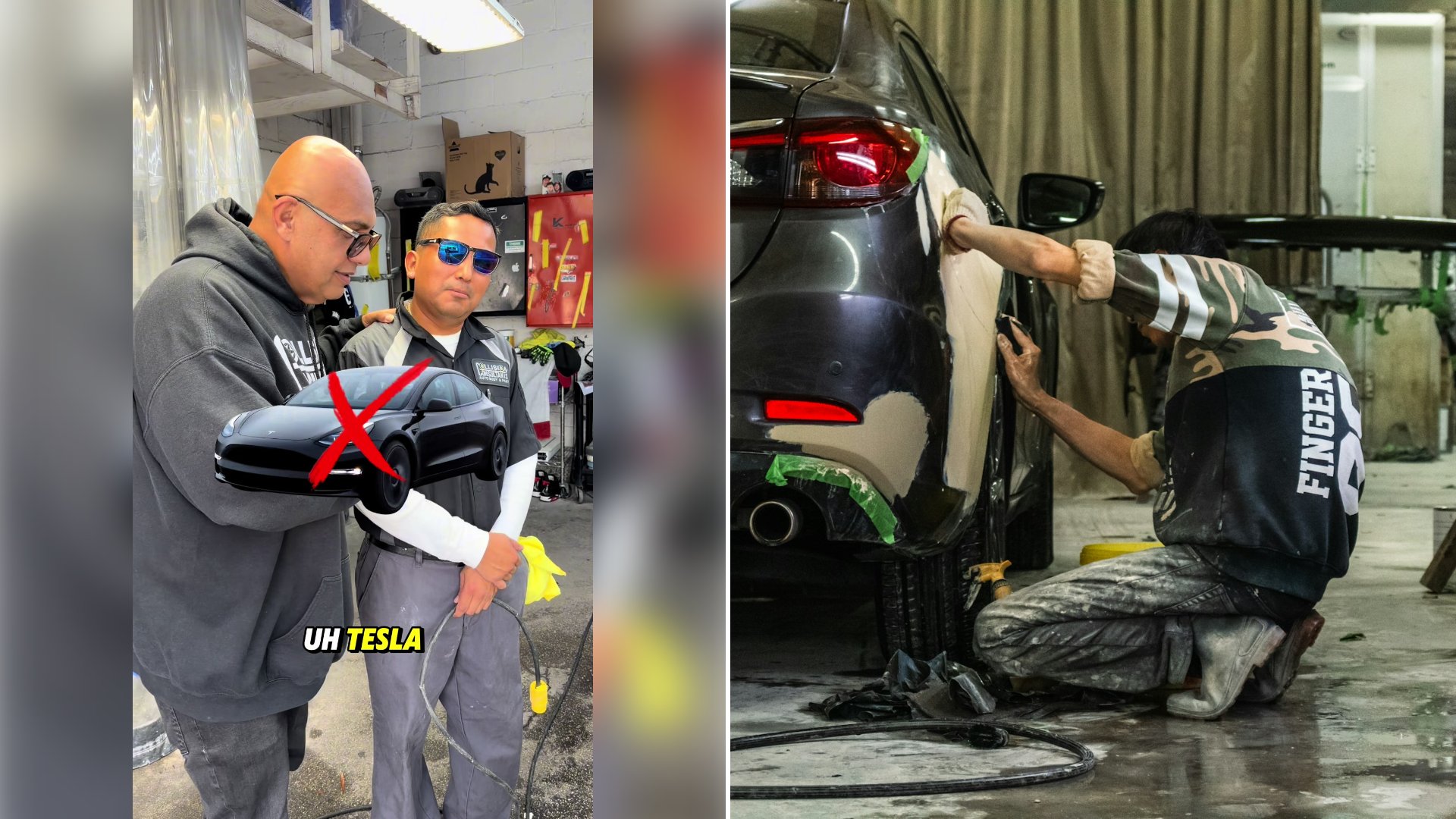
Collision repair shop owner @collision.consult takes his camera through his own business and puts one question to every employee he passes: which car would you personally never buy? No script, no brand sponsorship, just honest answers from the people who spend their entire workday pulling apart cars after wrecks and seeing exactly which models show up again and again with problems that go beyond simple collision damage.
The format turns an entire shop floor into an impromptu panel of experts, and the answers carry weight precisely because these are not YouTube reviewers quoting spec sheets. These are technicians who see the actual rust patterns, the corner cutting in factory repair panels, and the models that keep coming back for the same recurring issue, compiled into one unscripted roundup.
@collision.consult
Opinions like these generally track with hard data that insurers already use to set premiums. The Insurance Institute for Highway Safety and the Highway Loss Data Institute jointly publish insurance claim frequency and severity data broken down by specific make and model, and the spread between the best and worst performers is significant. Vehicles with a history of frequent theft claims, high collision repair costs due to complex bumper and sensor assemblies, or a reputation for being driven aggressively by their typical owner base consistently post worse loss statistics than more conservatively driven, simpler family vehicles, regardless of how either car scores on a standard crash test.
Collision techs specifically tend to flag models where even minor accidents trigger expensive repairs because of how the body is engineered. Vehicles with aluminum body panels, which require specialized welding equipment and training that many general body shops do not have, can turn a small fender bender into a bill thousands of dollars higher than the same damage on a comparable steel bodied car. Models packed with forward facing cameras and radar sensors behind the front bumper also drive up repair costs significantly, since even a low speed parking lot tap can require a full sensor recalibration that only a dealer or specialty shop can properly perform.
For shoppers, the practical value in a roundup like this is treating it as a prompt to dig into real ownership cost data rather than a final verdict. Checking a specific model’s insurance cost index, available through most major insurance comparison tools, and looking up its average collision repair cost through consumer sites that track body shop pricing can confirm or challenge what any one shop’s staff says anecdotally. A car that technicians avoid is not automatically unreliable to drive, but it is very often a car that costs more than average the moment something goes wrong, which matters just as much when budgeting for ownership.
More from Steel Horse Rides
- Arizona Technician Sorts Nine SUVs and Trucks Into Reliable or Unreliable, Putting the Chevy Equinox 2.4 in Red Over Oil Use and Calling the Ford F150 5.0 a Truck for His Family
- Mechanic Points to Sooty Black Residue Inside a Kia K5 Exhaust Tip and Tells Viewers To Stop Buying Hyundai and Kia Over Known Engine Reliability Problems
- Car Expert Lays Out the Most Reliable Used Cars To Buy at Every Budget From One Thousand Dollars Up To Twenty Five Thousand Dollars and Explains Why