

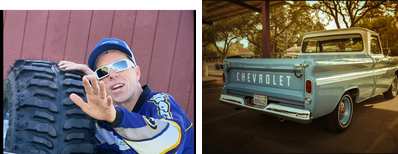
A neglected nineteen-nineties Chevy K1500 pickup is getting the full-glow-up treatment in a reel from @oaklandautodetail, and the clip has racked up more than five million views by simply showing a truck most people would have written off coming back from the dead. The K1500 arrives looking every bit its age: faded paint under a layer of grime, interior panels dulled by years of sun, and the kind of deep-set dirt that settles into a vehicle only after it has gone unloved for a long stretch.
What makes the video work is the patience of the process. Rather than cutting straight to a shiny final reveal, the detailer walks through every grueling stage: stripping out trapped debris from the door jambs, working a clay bar and polish into oxidized paint, and scrubbing years of buildup out of carpet fibers and vinyl seats. It’s unglamorous labor, but it’s exactly the kind of step-by-step transformation that classic-truck fans can’t look away from.
The K1500, built on GM’s square-body and later rounded “OBS” (Old Body Style) platforms through the late eighties and into the nineties, has become one of the most sought-after project trucks on the used market precisely because of stories like this one. These half-ton Chevys were built in huge numbers and used hard, which means most surviving examples need exactly this kind of attention before they’re road-worthy again, let alone showable.
A full exterior detail on a truck this size, including clay-bar treatment, machine polishing, and ceramic sealant, typically runs anywhere from $200 to $600 at a professional shop, depending on how far the paint has degraded. Interior deep-cleaning, especially on a vehicle that has sat for years, can add another $150 to $400 if mold, stains, or pest damage are involved. Owners trying the DIY route can get most of the way there with a clay bar kit, a dual-action polisher, and a wet/dry shop vac, all of which run well under $200 combined.
Beyond the cosmetics, a truck that has sat neglected for years usually needs more than a wash. Rubber seals dry out and crack, rodents nest in cabin air filters and under hoods, and fuel left sitting in the tank can gum up injectors or carburetors. Anyone reviving an old K1500 at home should plan to flush old fuel, replace all fluids, and inspect brake lines before ever turning the key, since corrosion in places you can’t see is often worse than anything visible on the surface.
Part of the appeal of the K1500 specifically is its simplicity. These trucks predate most of the complex electronics found in modern pickups, which means a motivated owner with basic tools can tackle the vast majority of a revival project without specialty diagnostic equipment. That accessibility, combined with a boxy, retro-cool look that has come back into style, is a big reason why detailing and restoration content built around trucks like this one consistently performs well with car-culture audiences.
For buyers hunting for a similar project, experts generally recommend prioritizing a rust-free frame and floor pans over a rough paint job, since bodywork and detailing can always be redone but structural rust is far more expensive and time-consuming to fix. A clean title, a matching numbers drivetrain, and service records, if available, can also make a meaningful difference in resale value once the truck is finished.
More from Steel Horse Rides
- Builder Turned An Ordinary Volvo Sedan Into A Full Blown Off Road Trophy Truck And The Transformation Is Almost Completely Impossible To Recognize
- Pinstriper Is Still Applying Real Gold Leaf By Hand The Exact Old School Way Traditional Craftsmen Did It Decades Ago On A Classic Car Engine Turned Panel
- Mechanic Pours Molten Metal Into a Damaged Spark Plug Hole, Sands It Flat, Drills It Out, Cuts Fresh Threads With a Tap and Screws the Plug Back In Over Three Minutes