

When roughly 20,000 people flooded the comments of a young enthusiast’s posts asking one experienced mechanic to step in and help, @davesautocenter actually showed up. The resulting video, which has drawn 1.2 million views, documents the mechanic mentoring a teenager named Noah through a hands-on engine rebuild, turning a crowd-sourced request into a genuine, filmed mentorship.
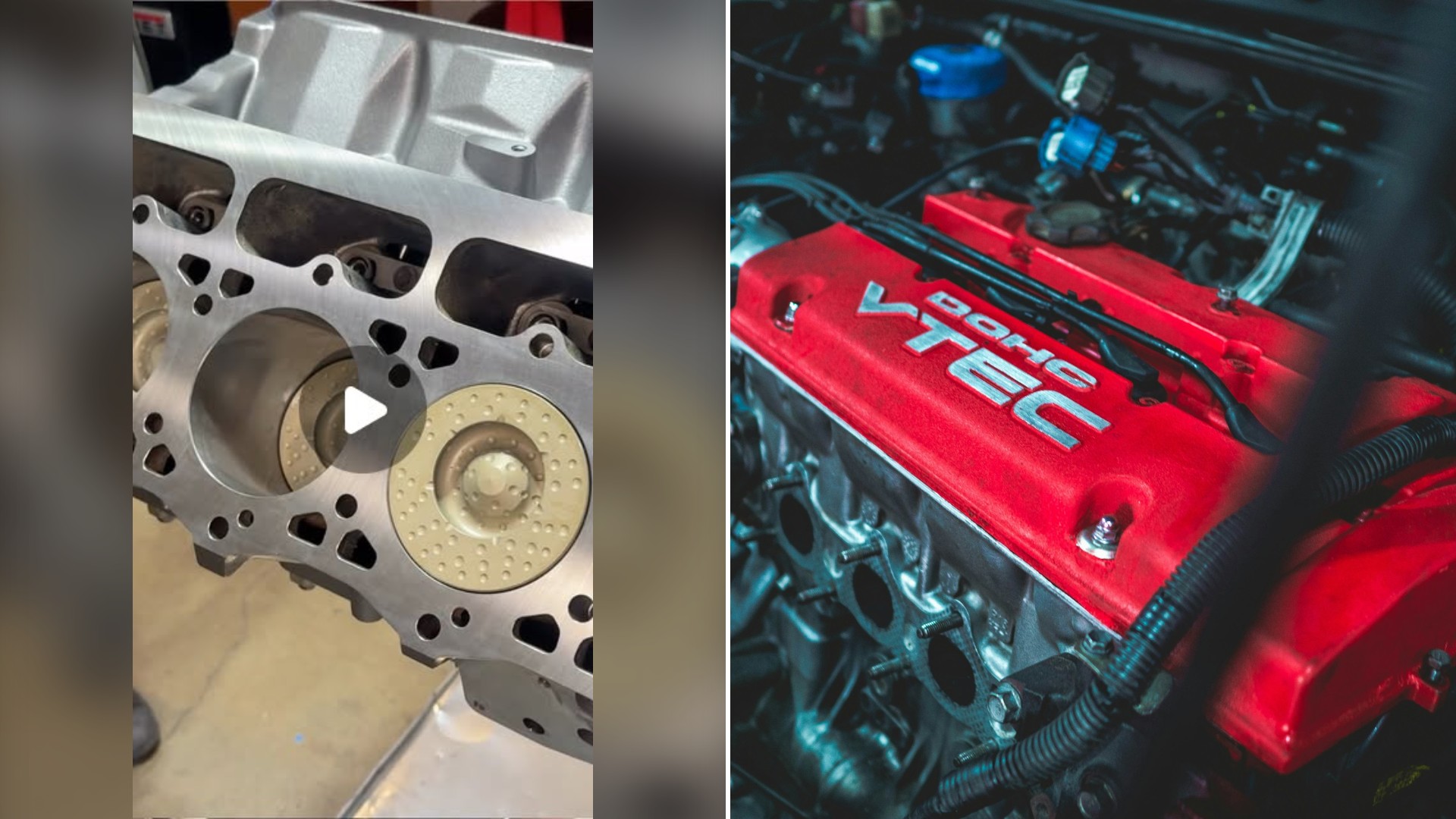
What makes the clip resonate isn’t just the wrench-turning — it’s the origin story. A community of strangers noticed a kid trying to teach himself, rallied behind him loudly enough that a professional took notice, and a stranger’s garage time became public proof that asking for help, loudly and sincerely, still works.
Stories like this tap into something real about how people learn to work on engines in the first place. Formal paths exist — vocational programs and community college automotive technology tracks typically run one to two years and can cost anywhere from a few thousand dollars at a public community college to well over $20,000 at a specialized trade school — but a huge share of hobbyist and even professional engine builders got their real education the way Noah is getting his: standing next to someone who already knows, asking questions, and getting their hands dirty on an actual engine rather than a textbook diagram.
That apprenticeship-style learning has real advantages that classroom instruction struggles to replicate. An experienced mechanic working alongside a beginner can explain in real time why a particular torque spec matters, what a bearing surface is supposed to feel like compared to one that’s worn, and how to diagnose a problem by sound and smell rather than by following a checklist. Those are the kinds of judgment calls that take years to build independently but can be transferred much faster through direct mentorship.
For a young enthusiast starting out, the cost of simply getting access to a complete engine to practice on is itself a real barrier. A running take-out engine from a salvage yard can cost anywhere from $300 for a common economy-car motor to well over $2,000 for something larger or less common, and that’s before factoring in a stand to mount it on, a basic socket and torque-wrench set, and consumables like gaskets and seals that get used up during a teardown-and-rebuild practice run. It’s a meaningful enough investment that a lot of aspiring builders never get their first hands-on engine experience until someone more established opens a door for them.
The mentorship model also tends to teach good habits around safety that are easy to skip when learning alone from online videos. Things like properly supporting an engine on a stand before removing mounting brackets, relieving fuel-system pressure before disconnecting lines, and knowing which components store enough residual force to cause real injury if handled carelessly are the sort of lessons that stick far better coming from someone standing next to a beginner in the moment, rather than from a warning label or a comment-section reminder.
Beyond the mechanical skills, stories like Noah’s point to something the car community does particularly well: turning attention into opportunity. A viral comment section asking for help is easy to dismiss as noise, but it’s also, increasingly, how real-world mentorships and apprenticeships get started for young people who don’t have a family shop or an established connection to fall back on. For every teenager whose request gets this kind of response, there are plenty more quietly building the same skills in driveways and garages, hoping an experienced hand eventually notices.
More from Steel Horse Rides
- Mechanic Pours Molten Metal Into a Damaged Spark Plug Hole, Sands It Flat, Drills It Out, Cuts Fresh Threads With a Tap and Screws the Plug Back In Over Three Minutes
- Motorcycle Mechanic Uses a Yellow Zip Tie as a Temporary Third Hand to Line Up a Broken Chain, Then Fits the Master Link Pins, Plate and Spring Clip in a Narrated Clip
- A Pinstriper Is Still Applying Real Gold Leaf By Hand The Exact Old School Way Traditional Craftsmen Did It Decades Ago On A Classic Car Engine Turned Panel