

A dealership visit gone wrong became a viral consumer complaint in a recent TikTok from @tomislavmikula, posting under the name Delivrd. The video recounts waiting over three hours inside a dealership, only to be completely ghosted by the salesperson handling his deal. Rather than letting the frustration fade quietly, the buyer played the voicemail he had left for the salesman afterward, turning a private grievance into a public, fully documented account of the experience.
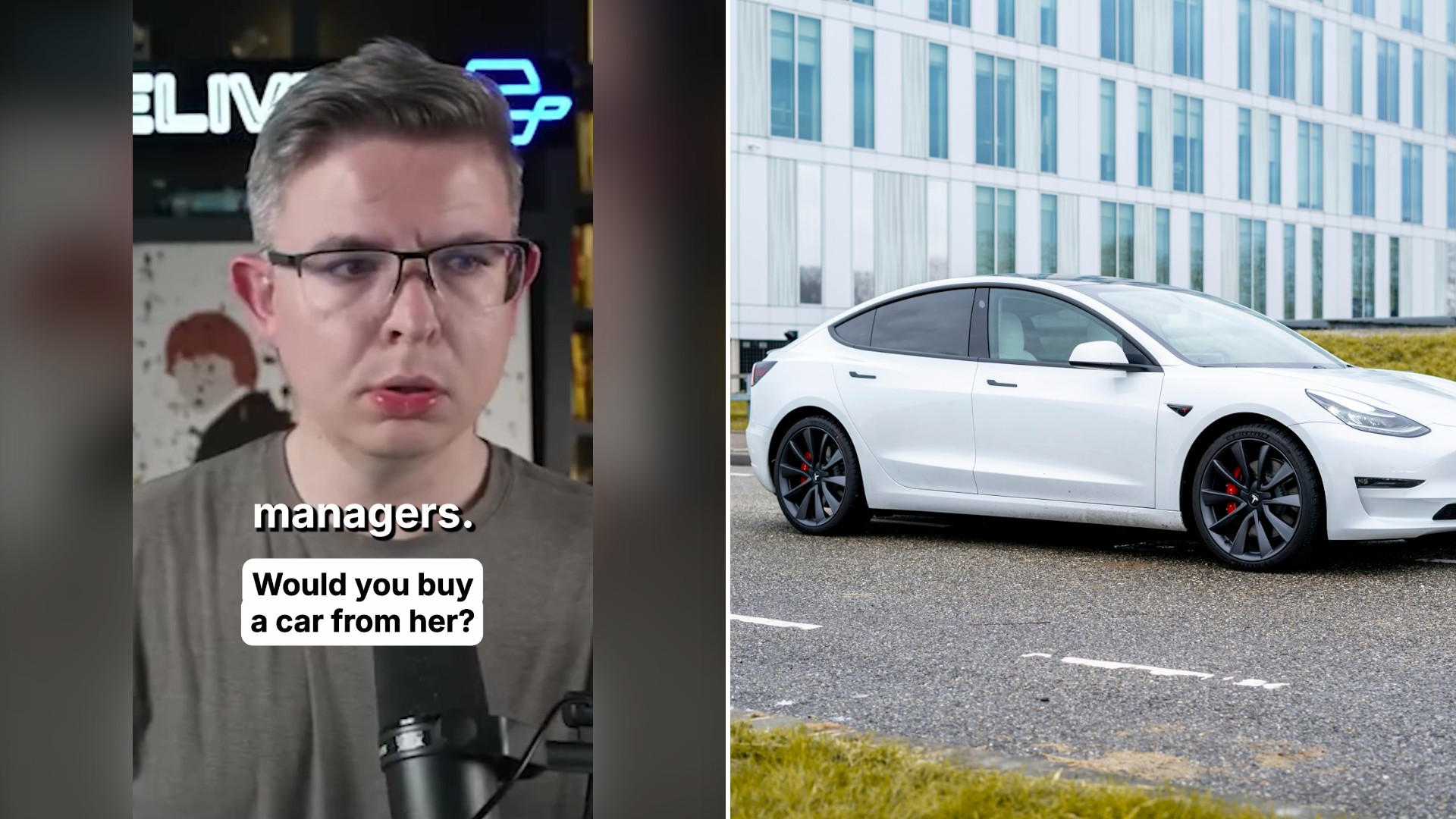
Calling out poor dealership service has proven to be a reliable engagement driver across the automotive content space, and this clip is a clear example why. A real voicemail adds a layer of authenticity that a simple text recap can’t match, and the framing invites exactly the kind of comment-section debate, over whether other viewers would still buy from the dealership after hearing the story, that keeps a video circulating.
@tomislavmikula
Long wait times at dealerships remain one of the most frequently cited frustrations in consumer satisfaction surveys of the car-buying process, and industry research has consistently found that drawn-out negotiations and paperwork delays rank among the top reasons buyers report a negative experience, even when they ultimately do drive away in a new vehicle. A three-hour wait, as described in this video, sits well outside what most buyers consider reasonable, and when that wait ends not with a deal but with silence from the person meant to be handling it, the frustration compounds considerably.
From a dealership operations standpoint, this kind of breakdown typically traces back to a few common root causes. Salespeople juggling multiple customers at once can lose track of who’s waiting on what, particularly during busy periods or toward the end of a sales month when staff are stretched across financing paperwork, trade-in appraisals, and multiple simultaneous deals. Communication gaps between the sales floor and the finance office are another frequent culprit, where a customer’s paperwork gets stuck in an internal queue without anyone proactively updating the buyer on the delay, leaving them to simply sit and wait without any sense of how much longer the process will take.
For buyers who find themselves in a similar situation, consumer advocates generally recommend a few concrete steps to protect both their time and their leverage in a deal. Setting a clear time expectation upfront, before a visit even begins, and asking the salesperson directly how long the process is expected to take can establish an early benchmark that makes a three-hour wait harder for staff to justify quietly. Getting commitments in writing or via text rather than relying solely on verbal promises creates a record that’s useful if a dispute arises later, and documenting a frustrating experience in real time, as this buyer did with his voicemail, gives a complaint far more weight than a vague recollection offered after the fact.
When a dealership experience genuinely goes south, buyers also have more formal channels available than simply posting about it online, though that public route has become increasingly effective in its own right. Most manufacturers operate customer satisfaction surveys and regional complaint lines that dealerships are evaluated against, and a documented complaint through those official channels can prompt a dealership’s management to intervene directly, sometimes more quickly than a public post, since poor survey scores can affect a dealership’s standing with the manufacturer. That said, the reach and accountability a public video can create, especially one with hard evidence like a recorded voicemail, has become its own powerful tool for buyers who feel a standard complaint process moves too slowly or lacks teeth.
Stories like this one serve as a useful reminder for both sides of the car-buying relationship: for buyers, that documenting a bad experience as it happens can pay off later, and for dealerships, that a single unanswered voicemail and a few hours of silence can turn a routine sales delay into a viral cautionary tale watched by far more people than the deal itself ever would have reached.
More from Steel Horse Rides
- Fabricator Shows Off Fresh New Upgrades On His Custom Built Armored Truck Nicknamed The Warhammer And The Engineering Inside It Is Wild To See
- Creator Shares Garage Camera Footage of a Ford F250 Rolling Away Across a Driveway and Onto the Lawn Under a Caption Saying It Almost Took Out a Third Vehicle in Four Weeks
- Jeep Driver Winches a White Pickup Out of Rising Surf Using a Second Truck as an Anchor in Part Four of a Beach Recovery Series Titled The Water Is Rising