

You are cruising down the highway when you spot flashing lights on the shoulder ahead. A police car is stopped, maybe a tow truck behind it. What do you do? If your answer is a shrug and a vague “slow down, I guess,” you are in good company, and that uncertainty could cost you a ticket or, far worse, put someone in danger.
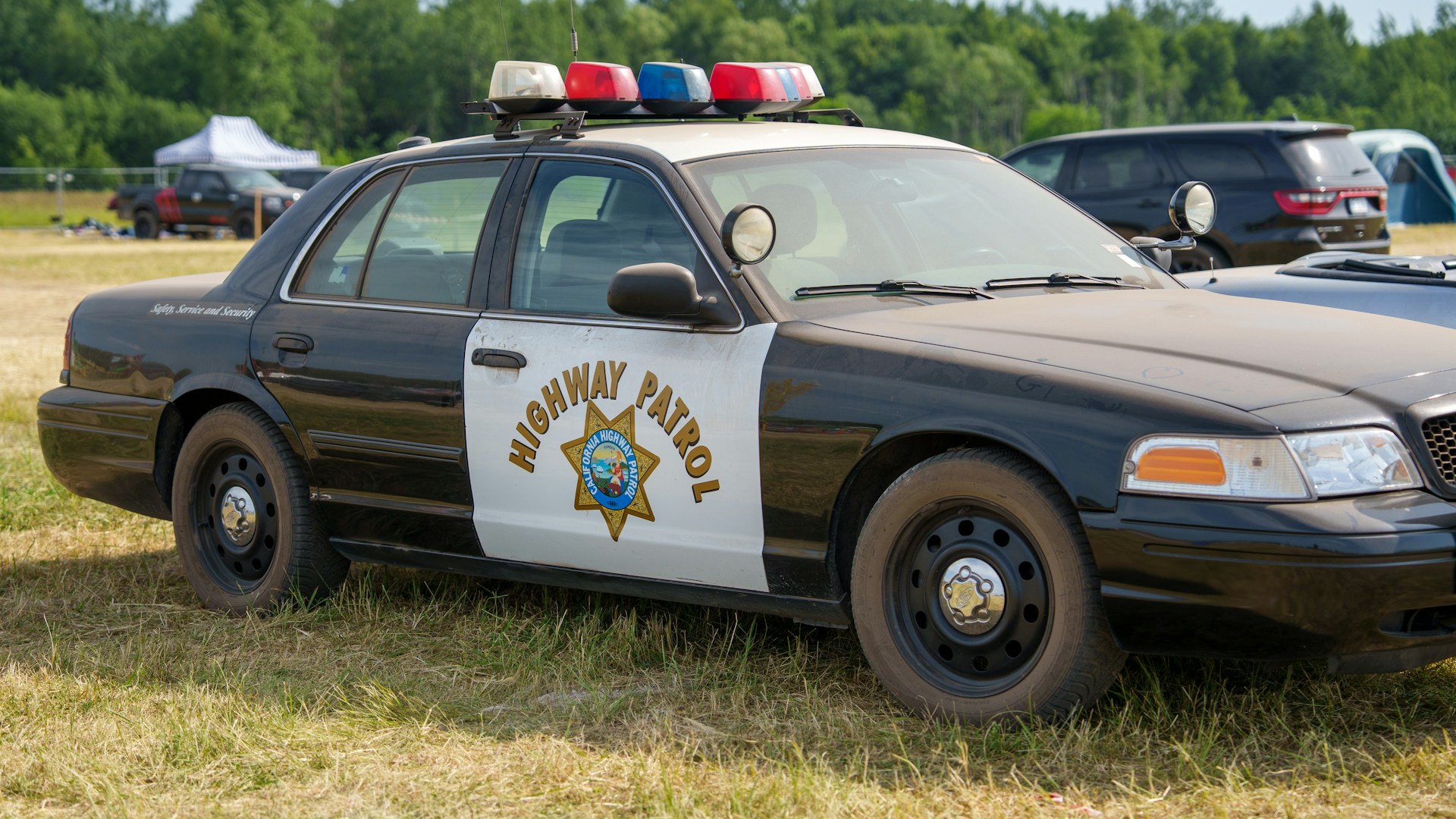
A new survey from the AAA Foundation for Traffic Safety, reported by Carrier Management on October 20, 2026, found that many drivers are still unsure what Move Over laws actually require. Only 66 percent of drivers believed their state law requires action near a stopped police car. That leaves a sizable share of drivers who did not hold that belief.
What the Survey Found
The results are a mix of encouraging and concerning. On the encouraging side, over 90 percent of drivers said they moved over or slowed down the last time they passed a disabled vehicle, a tow truck or a police car. That is a strong showing, and it suggests most of us have good instincts when we see flashing lights.
The support for the laws is just as strong. About 90 percent of drivers supported Move Over laws once the laws were explained to them. So the problem is not that people are against the rules. The problem is that a lot of folks simply do not know exactly what the rules say.
The report also notes that earlier AAA Foundation for Traffic Safety research found only 64 percent of drivers actually changed lanes or slowed down when passing these situations. That earlier figure is lower than what drivers told surveyors this time, which is a good reminder that what people say they do and what they do on a busy road are not always the same thing.
The Fines Vary Wildly
Here is where it gets expensive. According to AAA, penalties for violating Move Over laws range from $30 in Florida all the way up to $2,500 in Virginia. That is a huge spread. A driver who gets a ticket in one state might pay the price of a fast food meal, while a driver in another could be looking at a sum that rivals a car payment or two.
The details differ from state to state, and that is the heart of the confusion. If you are driving across state lines, the rules and penalties you are used to at home may not match the ones waiting for you down the road.
How to Handle It Safely
The basic idea behind these laws is simple: give the people working on the roadside some space. Police officers, tow truck operators and others on the shoulder are standing a few feet from traffic moving at highway speed. Here are some commonsense habits that line up with what most Move Over laws are trying to accomplish.
- Move over if you can do it safely. If there is another lane available and no traffic beside you, shift over to leave a lane of space between you and the vehicle on the shoulder.
- Slow down if you cannot move over. On a two lane road, or when traffic is heavy, easing off the gas is the safer choice.
- Check your mirrors and signal. A sudden swerve can cause a crash of its own. Make your move calmly and predictably.
- Stay alert for more than police cars. The survey mentions disabled vehicles and tow trucks too. Flashing lights on the shoulder are a signal to be careful.
- Put the phone down. Distraction is how people end up too close to a stopped vehicle before they notice it.
Know Your State Before a Road Trip
If you are planning a long drive, especially one that crosses several states, take a few minutes beforehand to look up the Move Over law in each state you will pass through. Your state’s department of motor vehicles or highway patrol website is the best place to check what is required and what the penalties are. AAA also publishes information on these laws.
It is also worth knowing that some drivers learned the rules years ago and never looked at them again. Laws change, and many people never get a refresher after they pass their driving test. A quick review is not a bad idea, particularly if you have not read your state’s driver handbook in a long time.
Why This Matters
It is easy to treat a stopped police car or a tow truck as just another thing to drive past. But the people standing next to those vehicles are doing their jobs a few feet from fast traffic, and a moment of inattention can have tragic results. The law is meant to give them room, and the survey shows most of us are willing to do it once we understand what is being asked.
The Bottom Line
The survey is a good news and bad news story. Over 90 percent of drivers said they moved over or slowed the last time, and 90 percent supported the laws once explained. Yet only 66 percent believed their state law requires action near a stopped police car, and fines range from $30 in Florida to $2,500 in Virginia, according to AAA. Know your state’s law, know the fines, and when you see flashing lights on the shoulder, give those folks some room. It could save a life, and it might save you a lot of money too.
More Stories You May Like
- Professional Detailer Shows the Right Way to Wash Your Car at Home and Says Protecting the Paint Is What Separates a Real Wash From the Car Wash Down the Street
- Toyota V6 Twin Turbo Problems and a New Recall Have a Mechanic Warning Owners About What to Watch For
- True Barn Find 1967 Corvette L71 427 Is Found in Georgia with Only Three Thousand Miles on It