

When the engine in a truck or SUV becomes the thing everybody online argues about, it usually means a lot of owners are nervous. That is exactly where Toyota’s 3.4-liter twin-turbo V6, known as the V35A, finds itself. A mechanic and Toyota owner who goes by @TheCarCareNut says the engine’s troubled story just took another turn, and he is not happy about it.
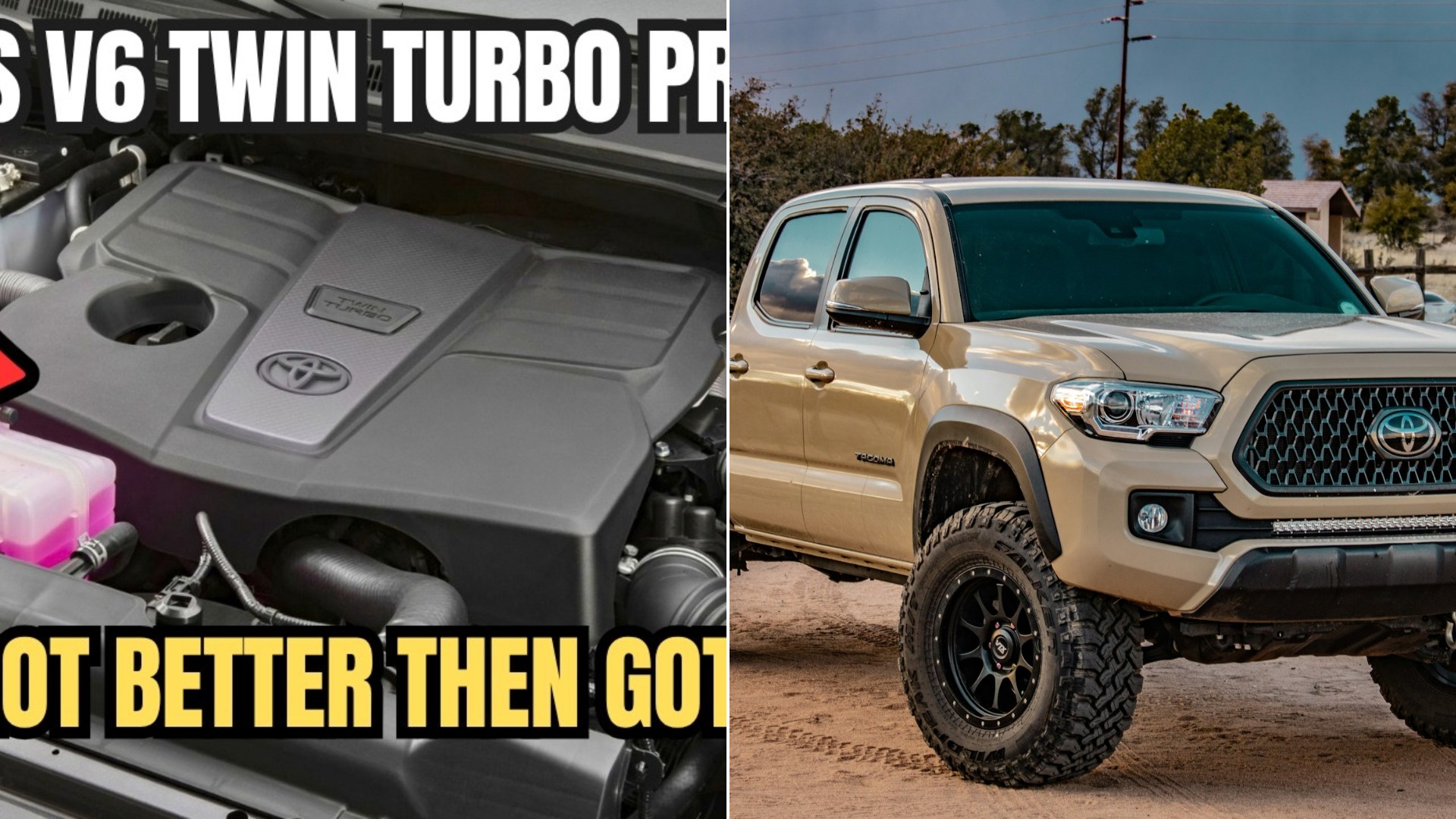
He walks through the history like a man who has watched it unfold from the shop floor. The V35A debuted in 2018 in the Lexus LS 500. Nobody made a fuss. It was a low-volume luxury car, and, as he puts it, its buyers are not usually the folks who gather online to compare notes. Then in 2022 the engine landed in the Tundra, and the conversation changed. Owners started reporting failures, and not just a few of them.
At first, he says, people hoped it was early production trouble that would clear up in a year or two. Then the third year rolled around and the problems were still there.
The recall that replaced engines
Toyota’s answer, he says, was a big one. The company traced the trouble to machining debris left in the engines at the factory and launched a recall that involved replacing engines, at what he calls a giant cost to the automaker. He gives Toyota real credit for that. Standing behind a product, even an expensive mistake, is what he considers the Toyota way.
But then the recall grew. It was expanded all the way through the 2024 model year for the non-hybrid versions, and that raised an uncomfortable question in his mind: if the problem was debris from dirty blocks, why were more model years still affected after the fix was supposedly found? Swapping an engine is also no quick software update. It is a major job, and the supply of replacement engines cannot be switched on overnight, so the work is being rolled out in phases.
He also points out who is feeling left out. Hybrid owners, he says, have seen reports of their engines failing too, and they paid top dollar for those higher trims. A little battery power to help you pull over, as he jokes, does not make the problem go away. He counts himself among them, since he owns a 2024 Tundra hybrid.
Now a computer decides
The newest wrinkle is the one that really gets under his skin. He says a new recall, which had not rolled out yet when he spoke, will use diagnostic software to decide whether a given engine is good or needs replacing. As he understands it, the idea is that the system listens for the sound of abnormal bearing wear, a particular frequency that has been heard before in failing engines.
His concern is simple and practical. A bearing that has not started to fail yet will not make that noise yet. In his words, unless the bearing is already failing and knocking so faintly that you might miss it with the accessories running, the software calls the engine fine. He also notes that the recall information he read says if the software cannot tell whether the engine is good, the engine gets replaced. That tells him there are cases where the computer simply does not know.
Then comes the question he keeps coming back to. What happens if the computer says your engine is good and it fails 10,000 miles later, when you are 400 miles from home with a trailer behind you? Is that a customer taken care of, or just a box checked with the government? For him, the fear is not only the repair bill. It is the broken trust.
A mechanic’s frustration as an owner
He is careful to say he runs a shop, so an engine problem is cheaper for him to fix than for most people. But he points out that nobody buys a Toyota expecting to replace an engine. People bought them, he says, because they were tired of other trucks breaking down.
He also says the trouble is bigger than one engine. On his own 2024 Tundra, which he describes as a roughly $70,000 truck bought for his business, he lists rattles, paint problems, peeling chrome, a front bumper starting to peel, and volume knobs that have already fallen off. A truck that costs $30,000 or $35,000, he says, can rattle a little and nobody will complain. At $65,000 to $80,000, with dealers adding markups, owners expect better.
He is quick to add that Toyota’s hybrid technology is, in his view, at its peak in 2026, and he is looking forward to getting his hands on a 2027 Tundra to see whether the promised quality improvements are real.
What owners can do right now
If you own one of these trucks or SUVs, none of this has to leave you stuck. A few plain steps help:
- Run your VIN through the National Highway Traffic Safety Administration’s recall lookup at nhtsa.gov/recalls, or through Toyota’s own owner site. Open recalls show up by VIN, so you will know exactly what applies to your vehicle.
- Keep every service receipt, oil change record and dealer visit in one folder. If you ever have to argue a warranty or recall decision, paper wins.
- Pay attention to the basics. Any new knocking, metal in the oil, warning lights or sudden loss of power deserves a call to the dealer right away, not a wait-and-see.
- If a dealer tells you your engine passed, ask for it in writing and ask what the next step is if something changes later.
- Think twice before towing far from home with a vehicle that is covered by an open recall. Know where the nearest Toyota dealer is along your route.
- If you are shopping, check the recall status of any used model before you sign, and ask the seller whether the recall work has been completed.
The bottom line from the mechanic is a fair one: nobody expects a carmaker to be perfect, but they do expect it to make things right and then stay right. He says he hopes the new software turns out to be accurate, and that if it glitches, every engine gets replaced. For anyone who has put a lot of money into one of these trucks, that is exactly the kind of peace of mind they are paying for.
More Stories You May Like
- Family Sold Their Grandmother’s 1971 Plymouth Valiant To A Detailer For Five Hundred Dollars Cash After Twenty Seven Years In A Field And He Made It Shine Again
- Car Buying Expert Lists The Sleazy Dealership Tricks That Take Advantage Of Shoppers From Add Ons On The Final Paperwork To Forcing You Into Their Financing
- Honda Owner Went For A Coupon Oil Change And The Dealership Said The Oil Pan Was Leaking Until An Independent Shop Looked And Found No Oil At All