

She had barely gotten used to her new ride. Over the weekend, TikTok creator @mckennaalauren bought a 2025 Toyota 4Runner with about 10,000 miles on it, the kind of nearly new SUV that is supposed to mean years of worry-free driving. Within days, the driver-side windows stopped working, and so did every button on the driver’s door. Then, after a trip back to the Toyota dealership and a phone call with the general manager, she learned something that changed everything: the dealer had known about an electrical problem with the vehicle before it sold it to her.
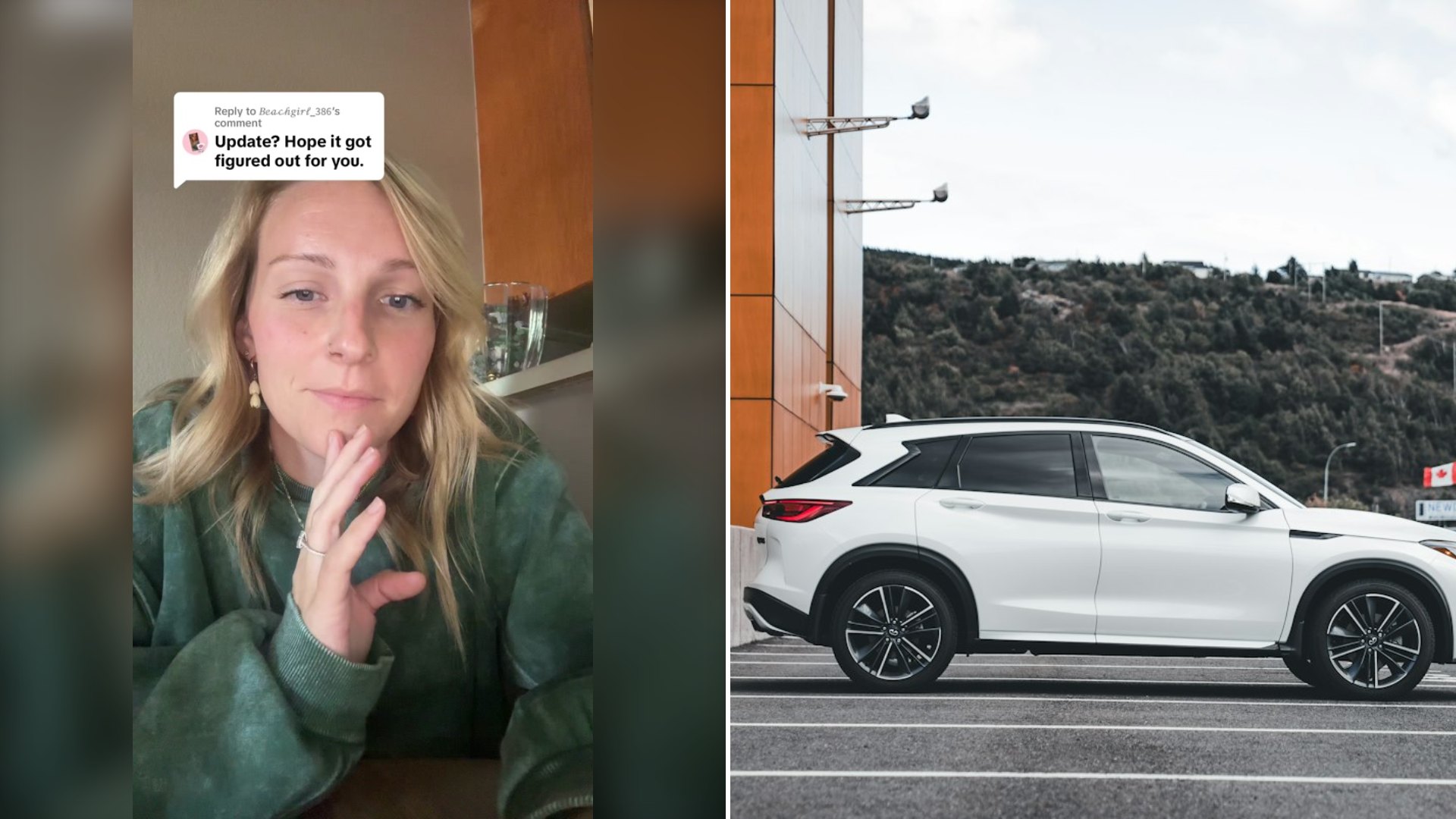
In an update video, she walked through what happened next. She took the 4Runner back to Toyota, where the service department looked it over. “Basically was told that they couldn’t figure it out,” she says. They offered to keep it later in the week, when they would have more time to diagnose it.
She also emailed the general manager, who had not been there when she bought the car or when she brought it in for service. Her husband then spoke with the GM directly, and that conversation, she says, “definitely changes the situation.”
According to what the family was told, the previous owner had the windows tinted, and during that job something like a wiring harness inside the door was damaged, causing an electrical issue. When the previous owner brought the 4Runner back to Toyota, the dealership was told the problem had been fixed and that everything was in working order.
For her, that is the heart of the matter. “So the biggest issue is the fact that Toyota knew that there had been an electrical issue,” she says. In her view, the dealer did not do its own due diligence to confirm the repair held before putting the SUV back on the lot, and it did not tell her about the history when she bought it.
@mckennaalauren
To its credit, the dealership has offered to take the 4Runner back and refund her money. But that solution creates a new problem. Without the SUV, she would have no car at all. “They are willing to take it back, thankfully, but I can’t be without a car,” she explains. She is now shopping other vehicles, hoping either to line up a replacement at the same price or to time a refund so she is not stranded. In the meantime, she is still driving a vehicle whose windows do not work, and she is looking into whether she has any legal options over the lack of disclosure.
What Buyers Can Learn From Her Situation
Used vehicles that look almost new can still carry hidden history, and aftermarket work like window tint, remote starters, and sound systems can damage wiring if done poorly. A few steps can help you spot trouble before you sign.
- Test every switch. Before you buy, sit in each seat and work every window, lock, mirror, seat control, and light. It takes five minutes and can reveal electrical problems right away.
- Ask directly about prior repairs. Ask the salesperson, in writing if possible, whether the vehicle has had any repairs, warranty claims, or known issues since it was traded in or returned. A written answer is far more useful later than a verbal one.
- Request the service records. Dealers can often look up warranty and service history performed at franchise dealerships for that brand. Ask for a printout.
- Look for signs of aftermarket work. Tinted windows, added electronics, or loose door panels can hint that someone has been inside the doors or dashboard.
- Get an independent inspection. Even on a late model car, a mechanic you choose can catch issues a dealer missed or did not mention.
What to Do If Something Goes Wrong Right After You Buy
If a car you just bought develops a problem in the first days or weeks, act quickly and keep a paper trail.
Check your warranty first. A vehicle this new may still be within the manufacturer’s original warranty. Toyota’s basic new vehicle coverage, for example, runs for three years or 36,000 miles, whichever comes first. Keep in mind that damage caused by aftermarket work may not be covered, so ask the service department to explain in writing what is and is not included.
Put everything in writing. Like she did, email the general manager rather than relying only on phone calls. Summarize what you were told, when, and by whom. If a manager admits the dealership knew about a problem, ask them to confirm it by email.
Ask for a loaner or rental. If the dealer needs extra days to diagnose the issue, ask whether it will provide a loaner car so you are not left without transportation.
Know where to turn. Every state has consumer protection laws that address deceptive sales practices, and many have dealer licensing boards. Your state attorney general’s consumer protection office can tell you how to file a complaint. For a dispute involving a significant amount of money, a consultation with a consumer protection attorney can clarify your rights. Many offer free initial consultations, and some state laws allow consumers to recover attorney fees in successful cases.
Do not rush a buyback. If a dealer offers to unwind the sale, get the terms in writing, including the full refund amount, how any trade-in will be handled, and how long the process will take. That way you can line up your next vehicle without being left on the curb.
For now, she is weighing her options with a 4Runner that will not roll its windows down, a reminder that even a nearly new vehicle deserves a careful look before you hand over the keys to your old one.
More From Steel Horse Rides
- Dealers Use Lowball Trade In Offers And Bundled Deals To Hide What You Really Pay, So Negotiate Your Trade And Your Purchase Price Separately
- Volkswagen Tells ID.4 Owners To Stop Charging Past 80 Percent While A Battery Fire Recall Waits On A Fix For More Than 22,000 Vehicles
- That Cheap Classic Car Project Can Turn Into A Rust Bucket That Costs More To Restore Than It Will Ever Be Worth, So Budget The Real Cost Of Bodywork Before You Buy