
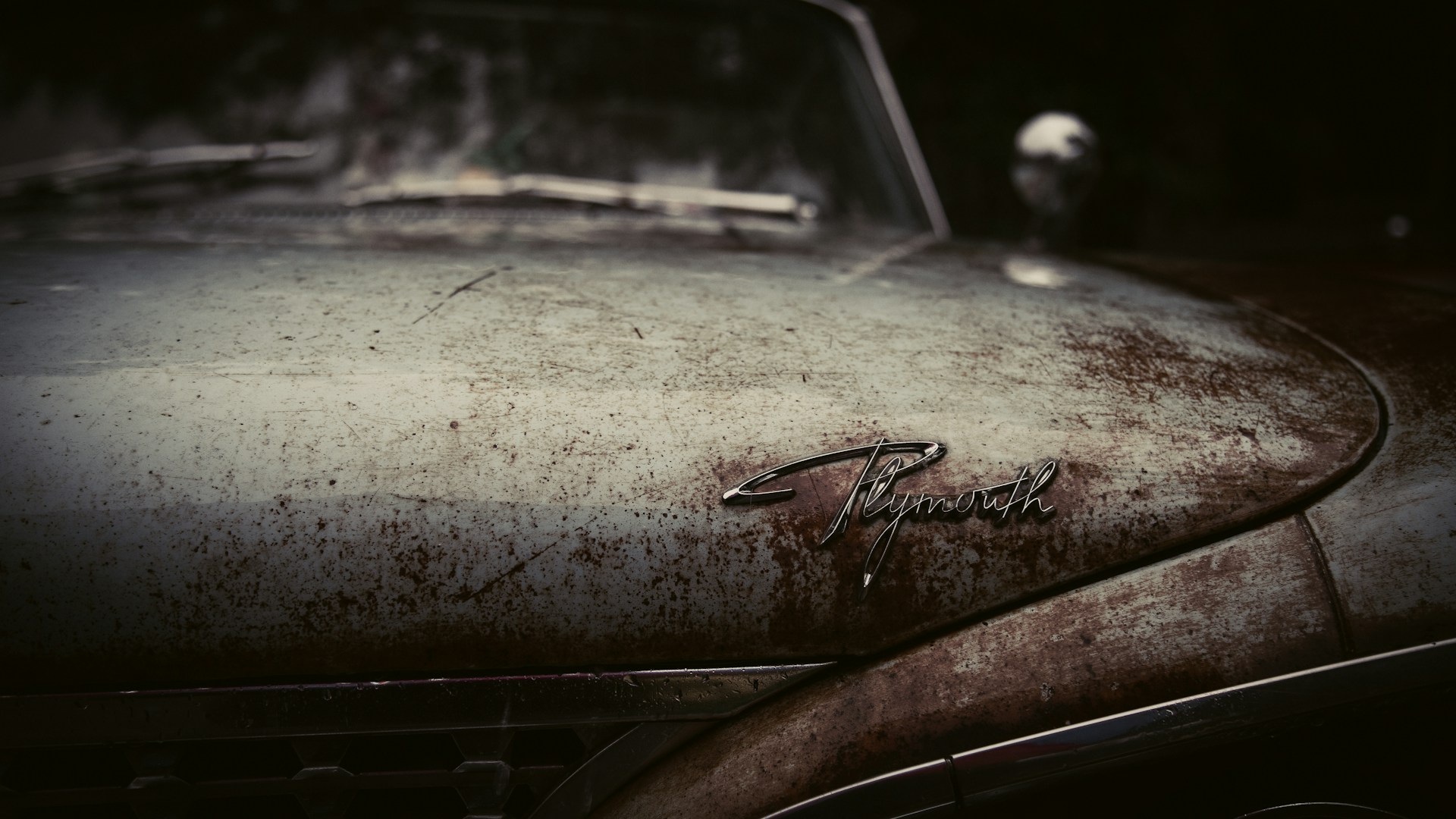


There is a special kind of heartbreak that begins with a bargain. Maybe it is a classic from your high school days or the muscle car you drooled over as a kid. It is parked in a barn or a driveway, the seller calls it a “great project,” and the price makes you feel like you finally caught a break. Then the work begins, the bills pile up, and you find out the car was holding itself together with paint, filler and hope.
Rust is the great equalizer of the classic car world. A car can have a gorgeous shape and a cheap price tag and still be a money pit, because the metal that holds it together has been quietly turning to dust. Before you fall in love, it pays to understand how a cheap project can cost far more than a finished car and sometimes more than it will ever be worth.
Why Cheap Projects Get Expensive
The purchase price is only the down payment. A project car costs money in layers. Rust repair is skilled, slow work, and skilled, slow work is expensive. Cutting out bad metal and welding in new panels takes hours, and so do the sanding, shaping, priming and painting that follow. Good bodywork and paint are often among the biggest bills in a restoration, and they are the ones buyers underestimate most.
Then there is everything else. Once the car comes apart, you find worn suspension, a tired interior, brittle wiring, old brake and fuel lines, seals and rubber that have given up, and trim pieces that are hard to find. Every part you pull loose tends to reveal more problems.
Where Rust Likes to Hide
Surface rust on a fender is one thing. Structural rust is another. Take your time and look in the places that matter.
- Floors and trunk pan. Lift the carpet and mats if you can. Look for patches, holes and flaky metal, and check the underside as well.
- Frame rails and structural supports. Rot here affects safety and is expensive to fix correctly.
- Rocker panels and door bottoms. These collect moisture and tend to rot from the inside out.
- Lower fenders and quarter panels. Check the lip behind the wheel openings and the area near the bottom edges.
- Around glass. Rust near the windshield and rear window can mean leaks and hidden damage.
- Cowl and firewall. Leaves and moisture collect here, and rust can let water into the cabin.
Beware of Body Filler and Quick Paint
A glossy paint job does not mean healthy metal. Sellers sometimes cover rust with filler and fresh paint to make a car look solid. A small magnet can help: it sticks firmly to steel but will not grip thick body filler. Run it gently along lower panels and listen to the difference. Look for paint bubbles, uneven panel gaps, ripples in reflections and texture that does not match from one panel to the next. Tap the lower body and listen for a dull sound compared with solid metal.
Budget the Real Cost Before You Buy
Here is a practical approach that keeps the dream from turning into a nightmare.
- Get a professional opinion. Have a restoration shop or a trusted body man look at the car before you buy and tell you what they would charge to fix it. Get it in writing if you can.
- List every system. Body, paint, engine, transmission, suspension, brakes, wiring, interior, glass, trim and chrome. Put a realistic number next to each one.
- Be honest about your skills. Doing the work yourself saves labor costs, but only if you truly have the tools, space, time and ability. Mistakes can cost more than a pro would have.
- Add a cushion. Projects almost never stay on budget. Leave room for surprises.
- Compare to the finished product. Look at what well-restored examples of the same car actually sell for. If your total cost to finish the project lands above that, you are paying for the joy of building it, not making a smart deal.
Know Why You Are Buying
There is nothing wrong with building a car for love. Plenty of people restore a car because it was their dad’s, or because the process is the reward. Just be clear with yourself about the reason. If it is a labor of love, spend freely and enjoy it. If you hope to make a profit or at least break even, be far more cautious. Some cars, especially rare or highly desirable ones, can justify a big restoration. Many common models never will, no matter how well you do the work.
Consider Buying Someone Else’s Finished Work
Often the smartest way to get a good classic is to let someone else take the loss. Buying a car that has already been restored, or one that is solid and well maintained, can cost less than doing the same job yourself. You get to drive it right away and skip the surprises.
The bottom line: a cheap price on a rusty project is rarely a bargain. Inspect the metal, get real estimates, and add up the full cost before you sign. If the numbers do not make sense, the best deal may be the one you walk away from.
More Stories You May Like
- Five Car Parts Every Driver Should Check At 25,000 Miles Before Small Sensor Problems Turn Into Hard Starts, Rough Idling And Stalling
- Creator Stumbles on a Massive Classic Car Graveyard in America Where Mustangs, Camaros and Firebirds Are All Selling for Less Than $2,000 Each
- Barn Find 1967 Shelby GT350 That Sat For More Than 37 Years Sells For $135,000 At A South Dakota Auction, And The Story Behind The Car Is Even Better Than The Price