

A crash is bad enough. Then the phone rings, and an adjuster offers a check for the car you thought you would drive for five more years.
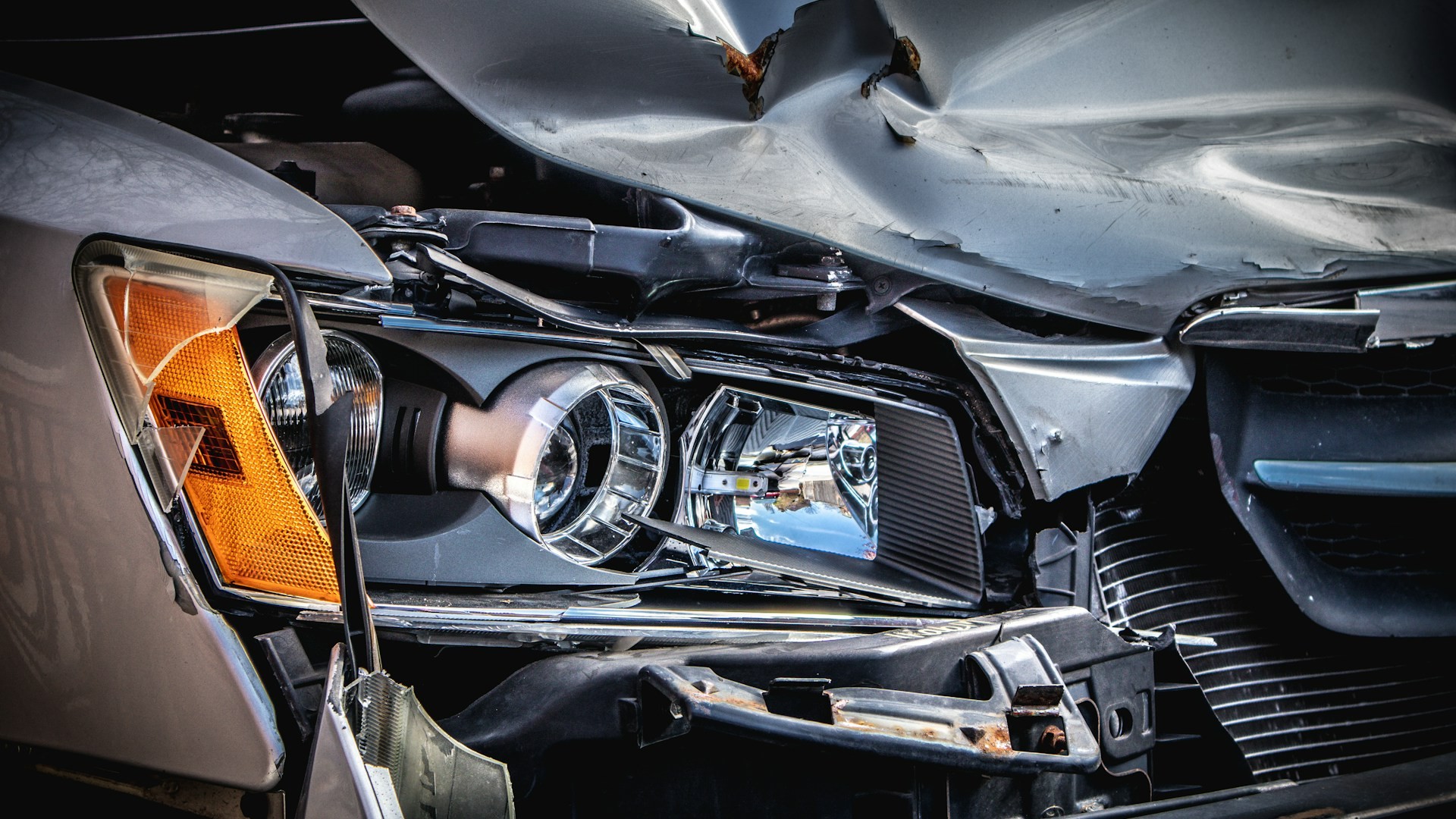
Before you say yes, slow down. State insurance regulators publish plain-English guidance on what you are owed, and a few minutes of checking can matter a lot when the vehicle is declared a total loss.
Below are eight things worth checking before you accept a settlement. Most come from the Washington State Office of the Insurance Commissioner, which explains its total loss rules on its consumer page. Every state writes its own rules, so what applies to you depends on your state, and the numbers and deadlines below are Washington’s.
Ask For The Valuation Report Before You Say Yes To The Number
The Washington insurance commissioner’s office says the insurer owes you the actual cash value of your totaled car. It also tells drivers to ask for a total loss valuation report, which shows the data used to set the value.
The office notes an insurer may not hand that report over unless you ask. Reading it is the quickest way to see how your car was priced.
Check Whether The Comparison Cars Really Match Yours
Under Washington’s total loss rules, an insurer may offer a comparable replacement car, pay the actual cash value of comparable cars locally, or use appraisal methods if the policy has an appraisal provision. That means the “comparable” cars in the report matter.
The same page explains that if the insurer cannot find comparable cars near where you park, it can widen the search 25 miles at a time until it finds two or more. Searches beyond 150 miles require your permission.
Make Sure Taxes And Fees Were Added To The Total
This one surprises people. According to the Washington commissioner’s office, the insurer must add taxes, license fees and other government fees required to transfer ownership to the actual cash value.
If your offer looks like a bare sticker price, ask where those line items are. Other states may handle this differently, so check your own state’s insurance department.
Mark The 30-Day Clock On Your Calendar
In Washington, the insurer must approve, deny or explain any delay within 30 days. If the claim is delayed, it must keep giving a detailed explanation every 30 days.
A rule like that gives you something to point to if the claim goes quiet. Ask your own insurance department whether your state sets a similar timeline.
Know You Can Hire Your Own Appraiser If The Two Of You Cannot Agree
The Washington office says your auto policy should allow you to hire your own appraiser if you and the insurer cannot agree on the value. The National Association of Insurance Commissioners (NAIC) gives similar direction in its Consumer’s Guide to Auto Insurance: for disputes over claim value, check your policy for an appraisal clause.
The NAIC guide also suggests a path for any disagreement. Try your insurer first, then contact your state insurance department.
Think Twice Before Keeping The Totaled Car
Some drivers want to hold on to a wrecked car for parts or a rebuild. The Washington office explains the insurer subtracts the car’s salvage value from what it owes you.
The insurer also reports the car to the Washington Department of Licensing. Do the math on that smaller check before you decide.
Compare The Check To What You Still Owe On The Loan
Here is where many drivers get a nasty shock. Consumer Reports explained in a 2017 article that if a car is stolen or totaled, the insurance payout is based on its depreciated market value, so a buyer early in a long loan with a small down payment may owe more than the car is worth.
The NAIC guide says a standard auto policy will not pay off your loan when your car is damaged and its market value is less than what you owe. Dealers and lenders may offer guaranteed auto protection, known as GAP insurance, for this purpose, and the Washington page describes gap coverage the same way, as optional coverage for the difference between what you owe and what the vehicle is worth.
Pull out your loan statement before you sign anything. Ask your lender for the payoff amount, since it can differ from the balance on your monthly statement.
If Someone Else Caused The Crash, Sort Out Who Pays Whom
The Washington commissioner’s office says that with collision coverage, you file with your own insurer, which pays for the totaled car. Your insurer may then try to recover that money, including your deductible, from the at-fault driver.
Without collision coverage, the page advises getting legal advice. The NAIC guide adds that a deductible is the amount you pay out of pocket before the policy pays, so know yours before you talk numbers.
A Quick Checklist To Keep By The Phone
- Request the total loss valuation report in writing.
- Compare the comparison cars to yours, then ask about taxes and fees.
- Write down the date of every call and ask for written explanations, as the NAIC guide recommends.
- Get your loan payoff amount from your lender.
- Check whether you have gap coverage.
Nobody expects you to become an insurance expert overnight. Still, an offer is the start of a conversation, not the end of one, and the regulators quoted here say you are allowed to ask questions before you accept.
More Stories You May Like
- Never Shopping Around On Car Insurance Can Mean Paying A Loyalty Tax Every Month, So Compare Quotes And Ask About Discounts Before Your Next Renewal
- Father And Son Coachbuilders In Alexandria Minnesota Built Their Own Flat 8 Engine After Asking Whether One Could Fit In A 911
- Truck Owner Finally Gets Wheels And Tires Onto His Fifth Gen Cummins After A Very Long Wait And Bolts On Spiked Studs For A Wild Tow Rig Look