

Every winter the same thing happens. The first icy morning arrives, and drivers who have been cruising along fine suddenly find out how little grip a road can have.
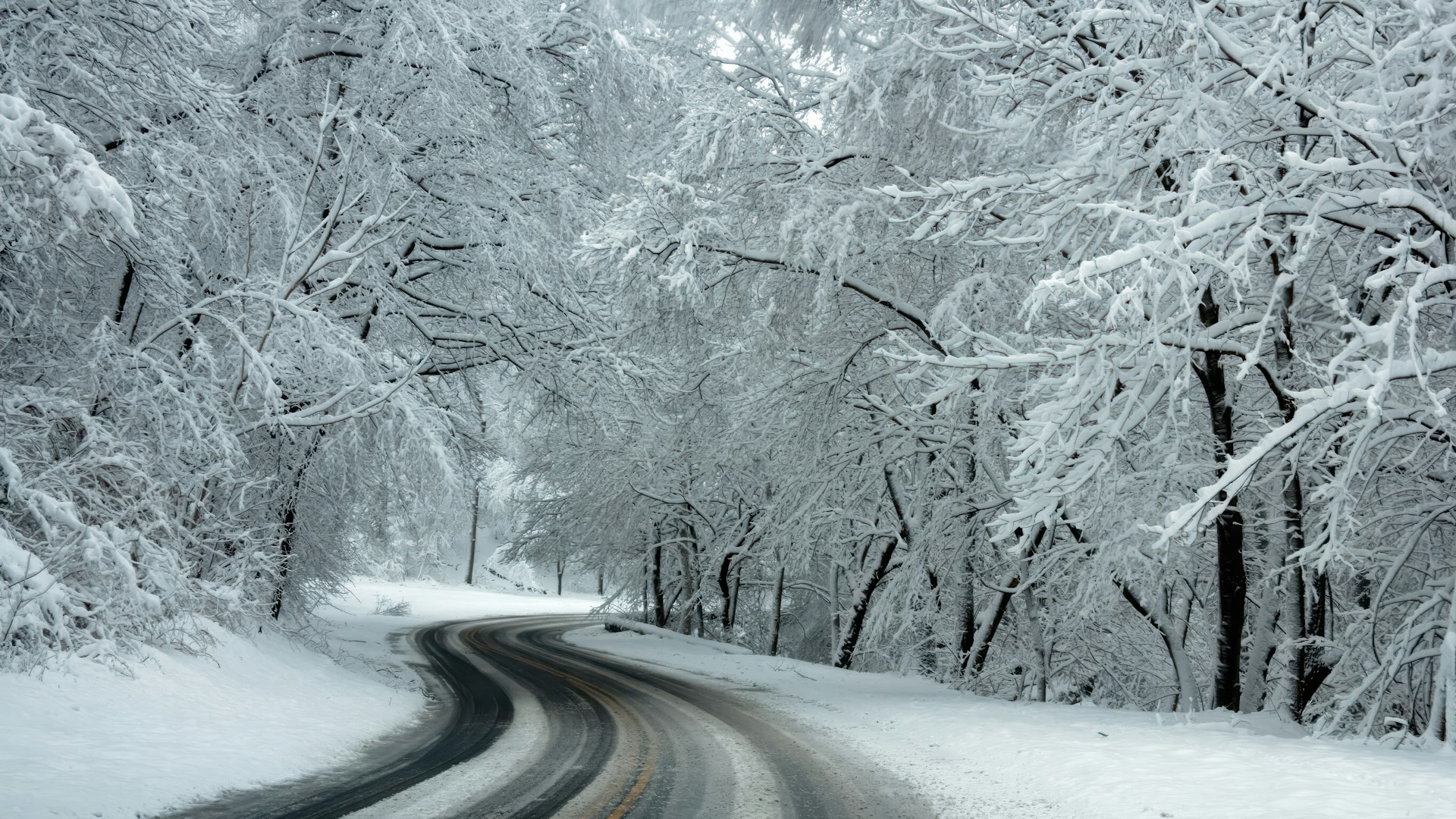
AAA’s winter driving tips spell out what to avoid once the roads turn slick. The advice is short and plain, and it could save you a bumper or worse. Here are eight things you should never do with your car this winter.
None of them require special gear or a trip to the garage. They only ask you to change a few habits before the snow flies, which is the cheapest repair there is.
Never Brake And Turn At The Same Time
AAA’s winter driving tips say to avoid braking and turning at the same time. A tire only has so much grip to give, and on ice it has far less to share between slowing down and steering.
Do your slowing before the curve, then ease through the turn. That one habit separates a calm drive from a slow slide toward the ditch.
If you catch yourself heading into a bend too fast, resist the urge to stomp the pedal halfway through it. Ease off, keep the wheel steady and let the car settle.
Never Switch On Cruise Control On Slick Roads
AAA says to avoid using cruise control, which can reduce traction. On a wet or snowy road you want your own foot in charge of every change in speed.
Save the convenience for a dry, clear highway in July and drive by hand when the weather turns.
Keeping your foot on the pedal also keeps you alert. You feel the car start to float or lose grip, and you can lift off the gas right away.
Never Slam The Brakes When You Start To Skid
Here is where panic does the most damage. According to AAA, if you skid, do not slam on the brakes.
Instead, AAA says to keep looking and steering toward where you want the car to go. Your eyes and hands should point at the safe path, not at the thing you are afraid of hitting.
Never Drive At Dry-Road Speed
AAA’s advice is blunt: slow down to improve tire traction. It also says to ease into acceleration and braking more gradually than you would on dry roads.
Smooth, gentle moves keep the tires gripping. Jerky ones break them loose.
That goes for the gas pedal, the brake and the steering wheel alike. Think of carrying a full cup of coffee across the front seat.
Never Follow Closer Than Six Seconds
On slick pavement, AAA recommends a following distance of at least 6 seconds. That is far more than the usual cushion on a dry road, and for good reason, since stopping takes longer when tires are sliding instead of gripping.
Pick a sign or pole the car ahead passes, then count. If you reach it before six seconds are up, back off.
It feels like a huge gap at first, and other drivers may squeeze into it. Let them in and count again.
Never Splash Through Puddles If You Can Help It
AAA tells drivers to avoid puddles when it is safe to do so. In freezing weather a puddle can hide ice, and water can also throw the car off course.
When you can place your wheels on clearer pavement without swerving into another lane, do it.
Never Stop Midway Up A Steep Hill
AAA says to try not to stop when heading up a steep hill. On a snowy or icy hill, it advises building momentum on a flat stretch before the climb, then descending slowly.
A car that stops partway up can lose its grip and slide backward. Planning your run at the hill, rather than stopping on it, is the safer move.
Never Drive Distracted Or Impaired, Especially In Bad Weather
AAA is direct on this one: do not text, talk on the phone or drive under the influence of alcohol or drugs. Winter driving already asks for your full attention, and a glance away costs more distance when the road is slick.
The same AAA tips add some good habits to go with the warnings. Turn on low-beam headlights, even in daylight, signal and confirm lanes are clear before changing them, allow extra time to stop, and wear your seat belt.
If visibility becomes severely limited, AAA advises pulling completely off the road and stopping. No appointment is worth driving blind in a whiteout.
Most of AAA’s list comes down to one idea: give the car more time and more room than you think it needs. Slow movements, long gaps and clear eyes handle most winter surprises.
Before the next cold snap, read through these eight points once with the family, especially anyone newly behind the wheel. A few minutes of review now beats a long wait for a tow truck later.
AAA also lists a phone number for questions about its auto insurance coverage, 1-855-282-2275, and a web page at AAA.com/Insurance, for drivers who want to review their protection before the roads freeze.
It also helps to practice before the first storm. Find an empty, snowy parking lot once the weather turns and get a feel for how your car slows and steers on a slippery surface.
More Stories You May Like
- Parking A Car For Months Without A Plan Can Leave You With Flat Spotted Tires, A Dead Battery And Mice In The Engine Bay, So Do These Simple Steps First
- Storing A Classic Car For Winter The Wrong Way Invites Stale Fuel, Moisture, Flat Spotted Tires And Rodents, So Here Is How To Put Yours Away Right
- Mechanic With 20 Years Under the Hood Says He Had Never Heard of the Japanese Oil Change Until Last Night, and Now He Wants to Try It for Science