

Maybe it is the winter home in a warmer state. Maybe it is a long trip, a hospital stay, a deployment, or simply a second car that nobody drives much. Whatever the reason, plenty of cars end up parked for months at a time. And plenty of owners come back to find that the car has been busy without them. The battery is dead, the tires have a strange thumping flat spot, and something furry has moved into the engine bay.
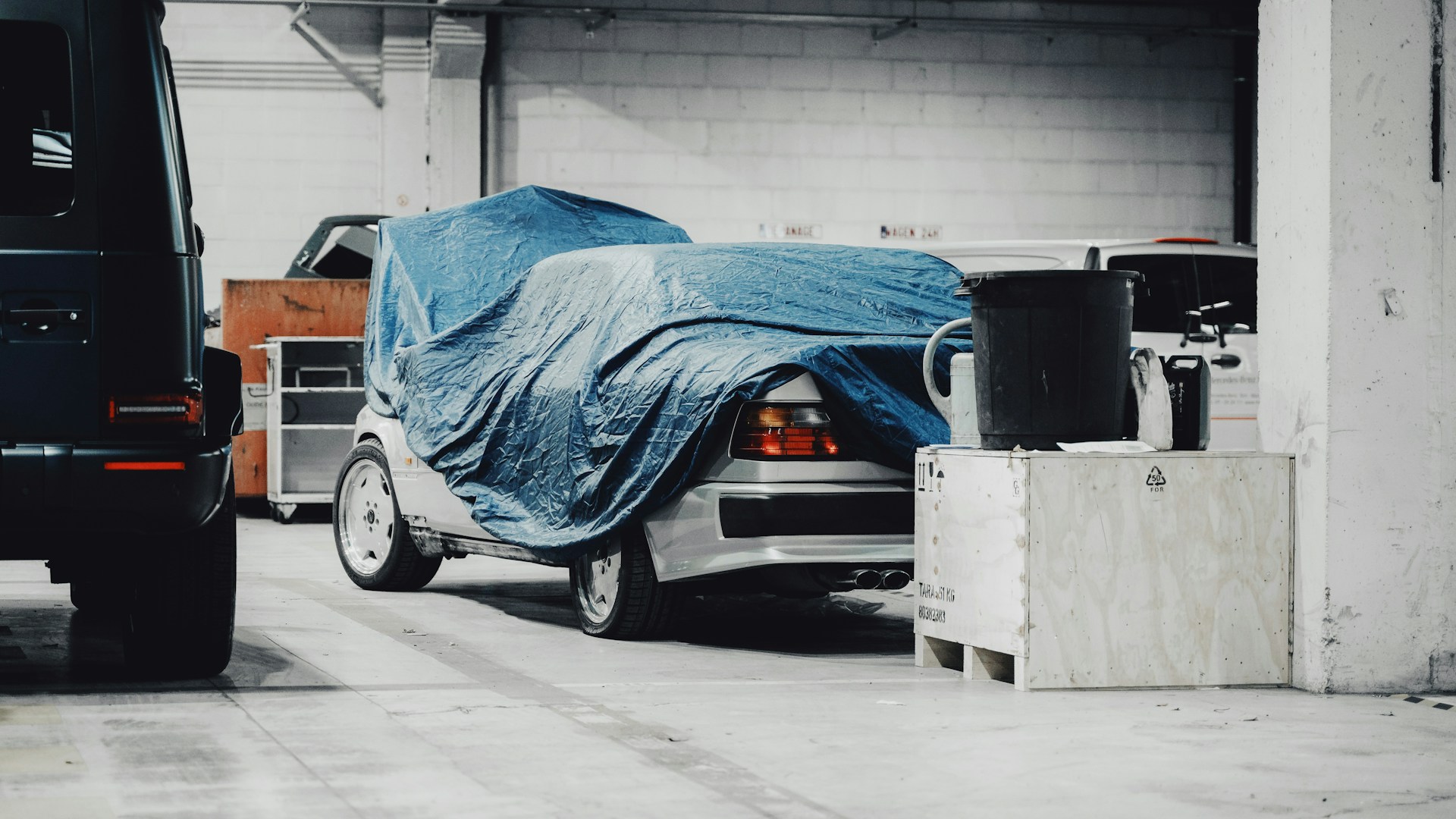
None of this is inevitable. A car that sits is not a car that is safe from harm. But a little planning before you walk away makes the difference between turning the key and driving off, and getting a tow and a repair bill.
The Dead Battery
Even a parked car is never fully asleep. Clocks, alarms, computers and other electronics keep drawing a small amount of power, and over time that drains the battery. Left long enough, a battery can go flat and may not recover.
The simplest fix is a battery maintainer, sometimes called a trickle charger or smart charger. It plugs into a wall outlet and keeps the battery topped up without overcharging it. If you cannot use one, some owners disconnect the battery’s negative cable, but that can reset clocks, radio settings and other electronic memory, and some vehicles do not like it. Check your owner’s manual before you do it.
Starting the car now and then is better than nothing, but idling in the driveway for a few minutes does not always recharge the battery well. A proper drive is better if you can arrange it.
Flat Spots On The Tires
Tires that sit in one place for a long time can develop flat spots where they touch the ground. Often the tire rounds out again after you drive a bit, and you feel a thumping that fades. In worse cases the damage can last, especially if the tires were low on air to begin with.
Tires also lose air slowly even when the car is not moving. Before parking the car for a long stretch, inflate the tires to the pressure recommended by the manufacturer, which you will find on the label in the driver’s door jamb or in the manual. If someone can roll the car forward or back a bit every so often, so the tires rest on a different spot, that helps too. Some owners put the car on stands for very long storage, but check the manual or ask a mechanic first.
Mice In The Engine Bay
An engine bay can look like a five-star hotel to a mouse. It is sheltered, it is often warm after you park, and it is full of nooks for nesting. Rodents can chew wiring, stuff nests into the air intake and filter box, and leave messes that cost real money to clean up.
- Do not leave food, snacks, pet food or bird seed in or around the car.
- Park in a garage if you can, and keep the garage tidy, with food stored in sealed containers.
- Look for ways in around the garage and seal gaps where you can.
- Use traps or rodent deterrents placed near the car. Follow the directions on the product, and keep them away from children and pets.
- Before you start the car after a long sit, pop the hood and look. Check for nests, droppings and chewed wires, and check the air filter box.
If you see signs of chewing on wiring, have a mechanic check it before you drive. Damaged wires can cause problems that are not obvious right away.
A Few More Smart Steps
Gas that sits for a long time can go stale. Many owners fill the tank before storage and add a fuel stabilizer, following the directions on the product. A fuller tank also leaves less room for moisture. If you are storing the car for a long period, ask your mechanic what is right for your vehicle.
It is also common advice to change the oil before long storage, because used oil carries contaminants you do not want sitting in the engine for months. Wash and wax the car first, so bird droppings, dirt and grime are not left to eat at the paint. Keep the car inside if you can, or under a breathable cover made for cars. Avoid plastic tarps that can trap moisture.
Think about the parking brake as well. Leaving it set for a long time can let the brakes stick, so many owners use wheel chocks instead. Your manual may have specific advice.
Do not forget the paperwork. Talk to your insurance company about coverage for a car that is not being driven, and keep the registration current if your state requires it.
Waking The Car Back Up
When it is time to drive again, go through a quick checklist first. Walk around the car and look at the tires. Look under the car for fresh drips. Open the hood and check for signs of rodents. Check the battery. Press the brake pedal and make sure it feels normal before you pull away. Drive gently at first, and if anything feels, sounds or smells wrong, have a mechanic look at it before you head out on the highway.
It is also smart to check for recalls on any vehicle that has been sitting. The federal vehicle safety agency has a lookup at nhtsa.gov/recalls where you can enter your vehicle identification number and see whether anything is open.
A car that sits does not have to be a car that suffers. A little time and attention before you leave can save you a battery, a set of tires and a good deal of grief when you come back.
More Stories You May Like
- DIY Mechanic Compares Engine Oil Prices And Finds The Same Bottle At Home Depot Costs Thirteen Dollars Less Than At The Auto Parts Store Across The Parking Lot
- Detailer Breaks Down the Exact Order the Pros Use to Wash a Car on a BMW M4 and Says You Should Always Start With the Wheels First Every Time
- Business Owner Skips the Most Expensive New Truck and Buys a Used 2021 Nissan Titan Instead, Explaining Why It Is the Smarter Move for Tax Write Offs and Bank Financing