

Of all the muscle cars Chevrolet’s dealers ever tweaked, a small silver Nova has a special place in collector hearts. Only 175 of the 1970 Nova Yenko Deuces were ever produced, and one of them is about to cross the block in Las Vegas with a twist attached.
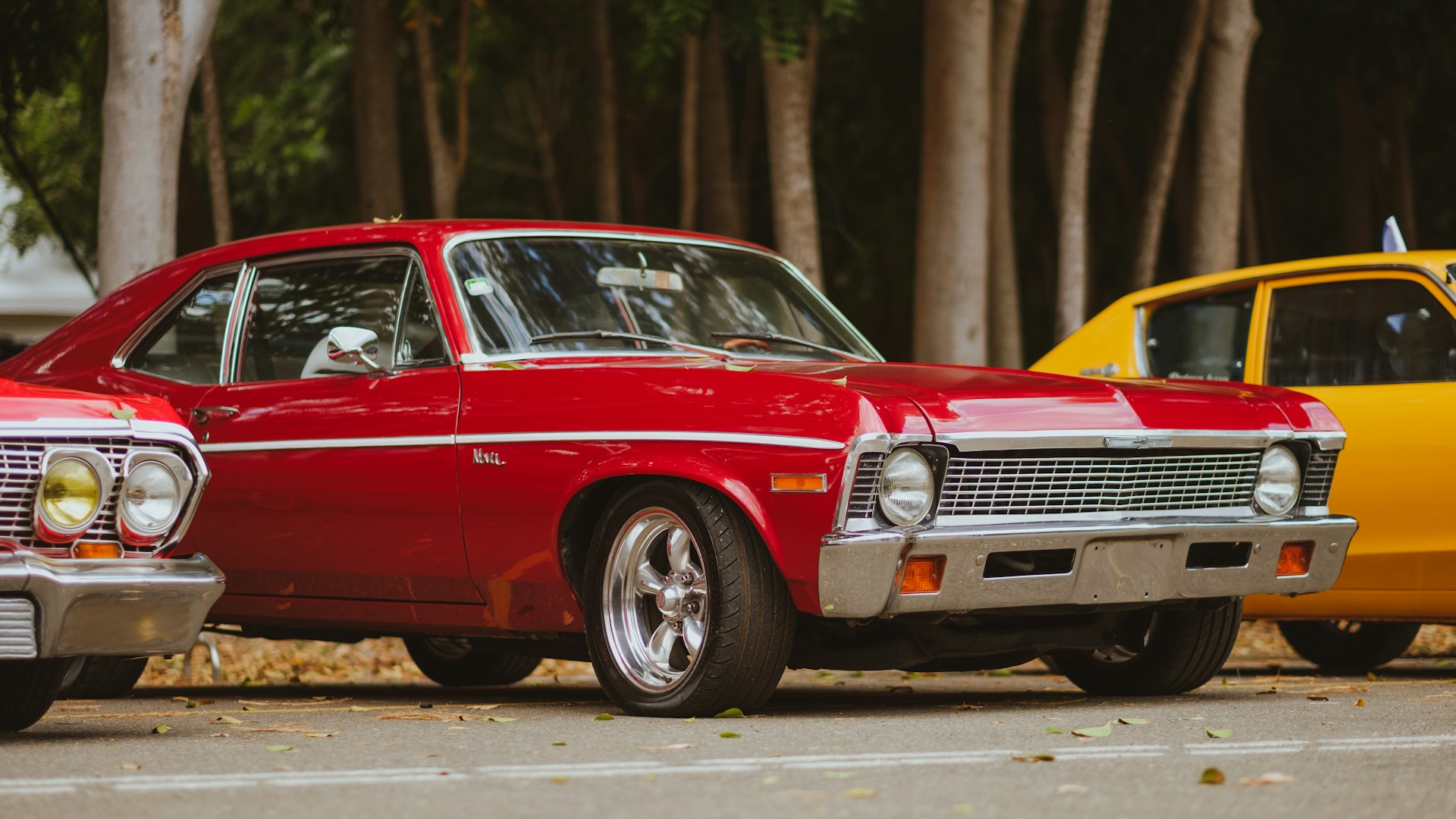
According to Yahoo Autos, the car is scheduled to sell at Mecum’s Las Vegas auction on November 14, 2026. It is finished in Cortez Silver with black Yenko graphics.
Don Yenko’s Little Nova Is Rarer Than Most Muscle Cars Of The Era
Don Yenko’s high-performance Chevrolets rank among the most sought-after dealer-special muscle cars ever built. His 427-powered Camaros usually grab the headlines, but the Nova has an impressive story of its own.
The first modified Yenko Novas arrived in 1969 with Chevrolet’s 427-cubic-inch big-block V-8, making 425 horsepower. Just 38 were built, which makes them exceptionally rare today.
For 1970, Yenko switched to the 350-cubic-inch LT1 V-8, rated at 360 horsepower. The change created a somewhat more accessible performance car at a time when insurance costs were becoming a worry for muscle car buyers.
Of 175 Deuces Built, Just 122 Came With A Four-Speed
The Deuce was ordered through Chevrolet’s Central Office Production Order system, known as COPO. COPO 9010 covered the LT1 engine, and COPO 9737 covered additional performance equipment.
Of the 175 cars produced, 122 were equipped with a four-speed manual, and this one is among them. It uses an M21 close-ratio four-speed with a Hurst shifter, sending power to the rear wheels through a 12-bolt Positraction differential with a 4.10 gear ratio.
Other equipment includes F41 suspension, power front disc brakes, a hood-mounted tachometer and Yenko/Atlas alloy wheels. Inside, the black interior carries Yenko insignia, a sport steering wheel and a Delco AM/FM radio.
Think about the numbers for a moment. In 1969, only 38 big-block Novas wore the Yenko name. A year later, with the smaller engine, the total climbed to 175, which is still a tiny figure for a compact Chevrolet.
That is why a four-speed car like this one draws attention. With only 122 examples built, it belongs to a very small club.
The Paperwork Reads Like A Family Tree
Mecum says the car was originally ordered by Yenko and transferred to Central Motors in Ohio. Supporting documentation includes a letter of authenticity, a Yenko Vehicle Verification Certificate, ownership history and paperwork from the COPO Connection.
For a car in this category, a paper trail is everything. The whole point of a Yenko is that someone, somewhere, can prove it left the dealer as one.
The Nova also got a rotisserie restoration, the kind where the body is lifted off the ground and turned like a roast so every surface can be reached. It was then refinished in its original Cortez Silver.
Re-Bodied To Factory Specs, A Detail Buyers Will Weigh
Here is the twist. Mecum also confirms that the car was re-bodied to factory specifications, which is an important distinction for collectors judging originality.
Yahoo Autos says that detail could influence the bidding, even with the car’s rarity and extensive documentation. The auction listing includes no pre-sale estimate, so there is no official figure to anchor the bidding.
The car will cross the block on Saturday, November 14, as Lot S101 at Mecum’s Las Vegas sale. For a collector who wants a documented example of Chevrolet’s dealer-built muscle era, it is one to watch.
A Saturday-night collector auction is part theater, part business. Cars roll across the stage under bright lights, an auctioneer works the crowd, and phone bidders compete with people sitting in the seats. Even a patient buyer can get swept up when a rare car reaches the block.
If you plan to watch or take part, decide your limit before the sale starts, and stick to it. The most expensive mistake at any auction is the bid you raised just once more.
How To Think About Originality Before You Bid
Whether you are a serious collector or a curious fan, the phrase “re-bodied” is a good teaching moment. These general points apply to any rare muscle car.
- Originality drives value. Collectors often pay more for original sheet metal and numbers-matching parts than for restored ones.
- Restoration and originality are different things. A beautiful rotisserie job can be a plus for appearance and still change how some buyers see the car.
- Read the paperwork. Authenticity letters and verification certificates are what back up a rare model’s claims.
- Ask the auction house for details. Auction listings usually describe condition, work performed and documentation, so read them closely before bidding.
- Remember the fees. A buyer’s premium is added to the hammer price at most big auctions.
The final price will be settled by the bidders in the room once the gavel falls. What is certain is that a 1970 Nova with a Yenko pedigree is the kind of car that makes a whole room lean forward when it rolls onto the stage.
It also shows how a little Chevy built for the street became a legend. Yenko took a plain compact, swapped in serious power, and gave a generation of drivers something to brag about.
More Stories You May Like
- 8 Maintenance Jobs Many Cars Need Around 100,000 Miles, And The Ones That Can Turn Into Bigger Repairs If Put Off
- 8 Driving Habits That Quietly Lower Gas Mileage According To The Department Of Energy, And Which Ones Cost The Most
- 10 Vehicles Most Likely To Reach 250,000 Miles According To iSeeCars, And The Maintenance Habits That Help Them Get There