

“Runs and drives. Easy restoration project.” Those are the words the owner of a 1966 Dodge Charger used to describe the car in an online listing posted to find it a new home. The asking price is $29,500, but the seller has also turned on the Make Offer button.
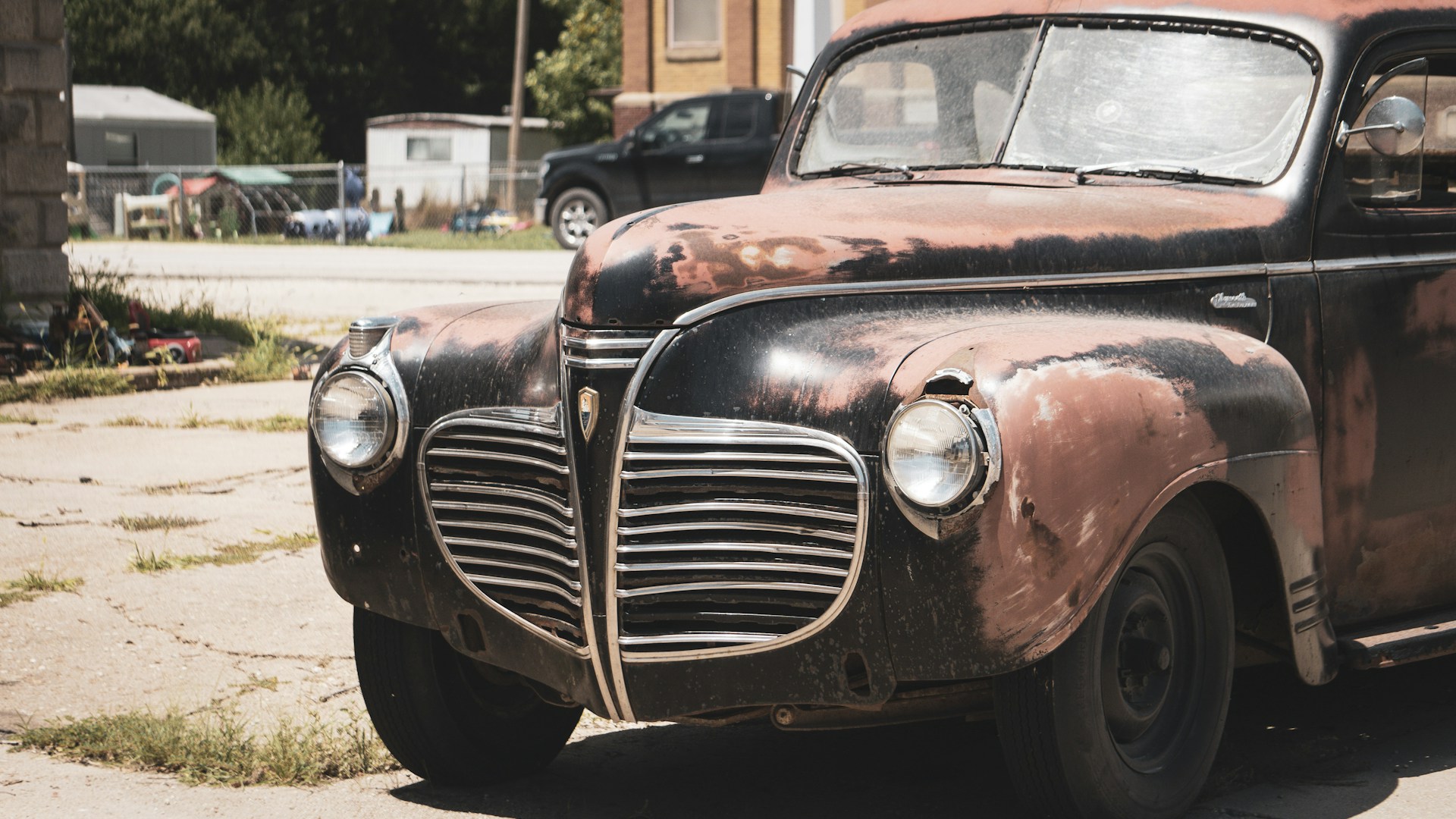
The car sits in Florissant, Colorado. Autoevolution took a look at the listing and what the car offers a would-be restorer.
Parked Outside Next To Other Projects Under The Open Sky
The Charger looks like it has been parked outside, next to other projects and under the open sky. That is not good news for a car that still looks to be in decent shape. Because it needs a complete restoration, the longer it sits, the harder it is to bring back to top condition.
The car is surprisingly solid for a project, and the cabin looks impressive for a car that has been waiting in the owner’s yard for a buyer.
“Still Complete” Is The Best News A Restorer Can Hear
The owner says the vehicle is still complete. For anyone planning a full restoration, that is fantastic news. In theory, and without seeing the car in person, it means you should be able to turn it into a daily driver without spending endless time searching online for missing parts.
A missing-parts project can drain a budget quickly, while a complete one lets you spend your money on the work itself.
Born With A 361, Now Running A 440 And An Automatic
Here is the twist under the hood. This Charger was born with a 361, but it is now powered by a 440 paired with an automatic transmission. The seller says it starts and runs, so it is technically in good shape.
That swap matters to a buyer, because a car that left the factory with one engine and now has another will be judged differently from a matching-numbers example. For a driver, though, a 440 is no consolation prize.
What Dodge Offered In 1966: From 318 To The 425-Horsepower Hemi
The 1966 engine lineup shows how far the Charger sits from where it started. The base engine was the 318, rated at 230 horsepower. The 361 was the first optional unit on the list, with 265 horsepower.
It was a well-balanced option for buyers who wanted a bit more power than the standard engine without spending too many dollars on something that burns fuel non-stop. The 383 was a popular option with 330 horsepower, and the top choice was the one and only Hemi, rated at 425 horsepower.
So the car’s original 361 was a sensible middle-of-the-road engine, and the 440 that replaced it is a big step up.
The Charger That Debuted As A Fastback Is Now Facing Weather
The 1966 Charger was the first year of the nameplate, an upscale fastback that Dodge introduced in January of that year. Cars from the first model year often draw extra interest from collectors, because every nameplate only has one first year.
That makes the yard-parked example in Colorado a little more poignant. A first-year Charger that survived long enough to still be complete is worth saving, and every season spent outside makes the job harder.
Plenty of owners put cars like this up for sale for the same reason: they have a plan, but not the time or the room. A buyer who has both can turn that into an opportunity.
Get It On A Lift Before You Make An Offer
The writer’s advice is plain: check the car in person. Anyone planning a complete restoration needs more information, including the condition of the metal. If possible, put the Charger on a lift to check the undersides, and inspect the trunk before even thinking of making an offer.
A car that has sat outside is more likely to have hidden rust, so the underside deserves a long look. The cabin may be impressive, but metal is what decides how expensive the project becomes.
Otherwise, you just need to be ready for a hefty price tag. The owner believes $29,500 is fair, but the Make Offer option on eBay means a little negotiation could land a better deal. And if you do not live far from Florissant, you should be able to drive it home.
A Short Checklist For Buying Any Project Car
Whether it is a Charger or something else sitting in a field, a few steps keep the dream from turning into a money pit.
- Inspect the metal first. Floors, frame rails, trunk and lower body panels tell you more than the paint.
- Ask about the engine. A swapped engine needs its history, including where it came from and whether it has been rebuilt.
- Make an offer. A Make Offer button exists for a reason, and a polite number below asking is part of the game.
- Count the full cost. A complete car is a head start, but paint, interior and mechanical work add up fast.
A complete 1966 Charger that runs and drives is a rare find at any price, and it is waiting out in the Colorado air for someone with a trailer and a plan.
More Stories You May Like
- 9 Routine Car Maintenance Services Experts Say Many Drivers Can Skip, And The Owner’s Manual Check That Can Save Real Money
- 7 Japanese Cars Whose Newer Builds Cannot Yet Be Imported To America Under The 25 Year Rule, And The Year Each One Becomes Eligible
- 10 Vehicles That Lose Value Fastest In The First Five Years According To iSeeCars, And Why Buying Used Can Save Thousands