

Pull into a quick-lube bay for a simple oil change and you may leave with a longer bill than you planned. The service advisor hands over a clipboard, points at a list of flushes and cleanings, and the car suddenly sounds like it is a few miles from the scrap yard.
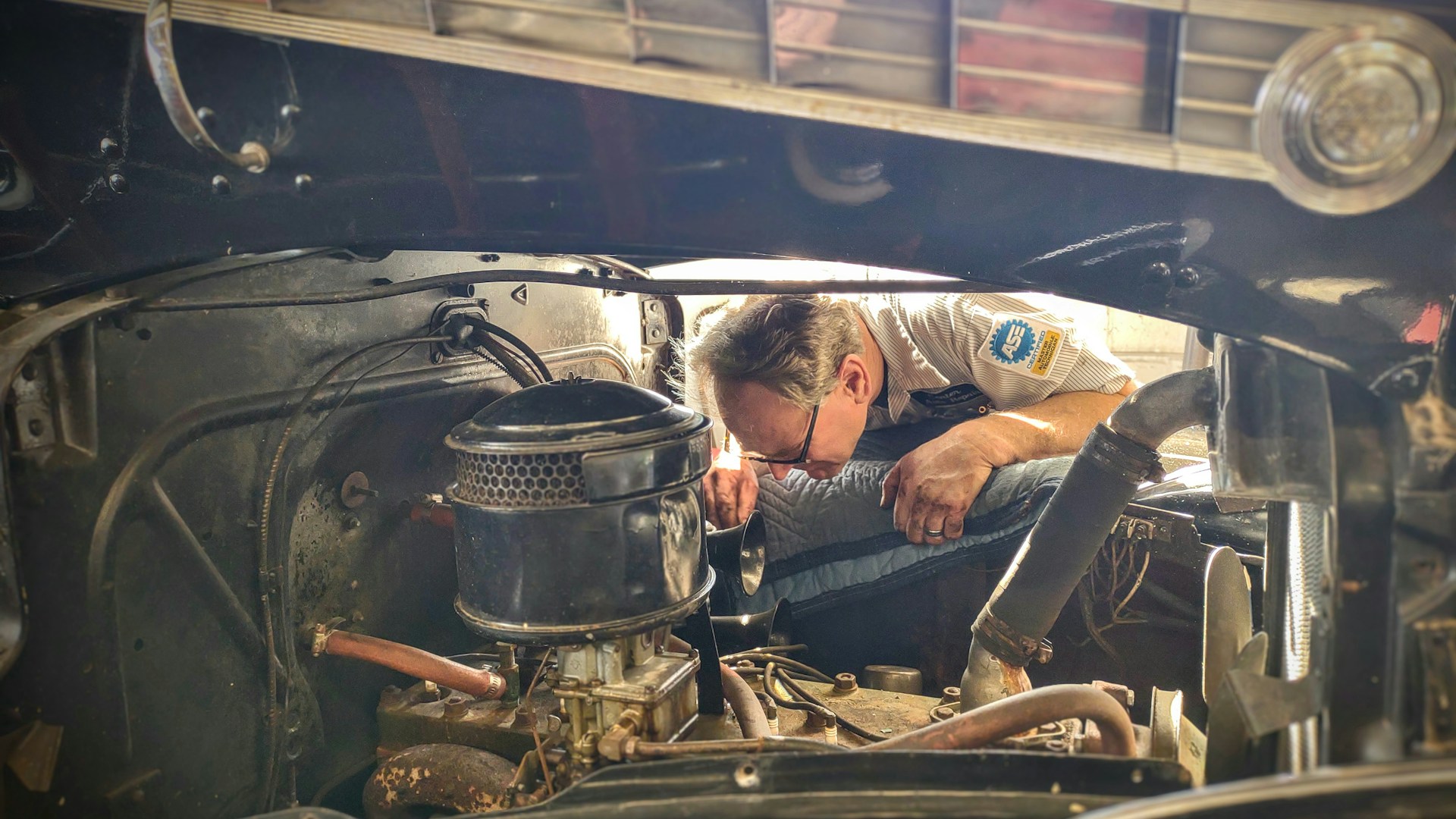
Plenty of those add-ons are worth a second look. Mechanics, consumer guides and insurance writers have spent years pointing out which ones many drivers can safely pass on, and we pulled the best of their advice into nine items below.
Fuel Injector Cleaners Get The Boot From A Mechanic In Motor1’s 2025 Report
In an October 2025 Motor1 article built around a technician named Tim, the verdict is blunt: “You do not need fuel injector cleaners.” His reasoning is that modern gasoline already contains detergents that keep the fuel system clean.
Motor1 adds that GM “does not endorse, support or acknowledge the need for fuel injector cleaning as a preventative maintenance procedure.” The article notes that cleaners with PEA can help a vehicle that already has a deposit problem, so the point is routine, not rescue, use. You can read the full list in the Motor1 report on dealership services.
Transmission Fluid Flushes Draw A Warning From Motor1 In 2025
Tim tells viewers, “Ask any qualified mechanic that you know. They will not recommend a transmission fluid flush.” Motor1 explains that Honda and other automakers advise against flush machines, which can push debris through the system.
The article also quotes a former service advisor who told Edmunds that dealers sometimes recommend flushes every 12,000 miles, compared with 60,000-mile intervals in owner’s manuals. That gap is the kind of number worth carrying into the service lane.
Power Steering Flushes Are Mostly A Drain And Top Off, Motor1 Reports In 2025
According to Tim, a standard power steering fluid change is “just drain and top it off.” He calls the flush an unnecessary upsell.
Motor1 backs that up with RepairPal’s guide, which says that “in general, a drain is all your car will need,” and that powered flushing adds extra risk and cost. Ask what the shop plans to do before you say yes.
Engine Flushes Can Do More Harm Than Good, Says Motor1 In 2025
The warning here is a serious one. Tim says an engine flush “can actually block oil passages, which can lead to complete engine failure.”
Motor1 also points to AMSOIL, which notes that in a high-mileage engine, sludge may be sealing worn gaskets, so cleaning it out can expose leaks. Bottom Line Inc. makes a similar point in its own guide to skippable services, saying a $100 to $200 engine oil flush, compared with a $25 oil change, can dislodge sludge that clogs the oil pump pickup screen.
Oil Leak Scare Tactics Deserve A Cool Head, Motor1 Writes In 2025
Tim says some dealers use fear to sell repairs. His argument: “If the oil is gushing out, you would have known it when you went to the dealership.”
Motor1 cites CarAdvise for the practical side. Small leaks can be monitored and topped off, though they should not be ignored forever. A qualified mechanic can tell you which kind you have.
The 3,000-Mile Oil Change Is Out Of Date, Freeway Insurance Says In 2025
Freeway Insurance, in an article updated in April 2025, says modern cars do not need oil changes as often as older models, and that the old rule of every 3,000 miles or three months is no longer the standard. It cites Philip Reed, senior consumer advice editor at Edmunds, who said vehicles from the last 12 to 13 years can go up to 10,000 miles between changes.
Bottom Line Inc. lands in a similar spot, recommending oil changes every 5,000 to 7,500 miles instead of every 3,000. Freeway’s advice on who to trust is clear: “Refer to your owner’s manual (not the lube shop technician) for the proper interval.”
Air Filter Swaps Should Start With A Look, Freeway Insurance Advises In 2025
Freeway suggests asking the technician to show you the old filter that came out of your car. A dirty filter is usually visible at a glance, and you can judge for yourself.
The article cites fueleconomy.gov, saying a dirty air filter replacement may slightly improve performance but will not affect fuel mileage. If the filter looks fine, you can say no thanks and keep your money.
Brake Fluid Flushes Are Not Always Needed, According To Bottom Line Inc.
Bottom Line Inc. says brake fluid “can last as long as your vehicle.” It recommends a flush only if moisture has gotten in, which shows up as rust-colored fluid, or if the fluid has overheated.
Fluid that is clear or translucent, not burnt-smelling and at the correct level does not need a flush unless the maintenance schedule calls for one. The guide says flushes typically cost $70 to $150 or more.
Car Wash Add-Ons Earn Harsh Words From Bottom Line Inc.
The same guide calls paint sealants, protectants, under-car sealant and color waxes “virtually worthless.” Its summary is hard to argue with: “The only service worth paying for at a car wash is a car wash.”
That is one of the easiest places to save a few dollars each visit, since the add-ons are usually pitched at the payment screen when you are in a hurry.
Every source above points back to the same handy book in the glove box. Rounding out the picture, Bottom Line Inc. says fuel system cleanings often run $100 to $150 with shops suggesting them every 5,000 or 10,000 miles, which it calls “overkill” and puts closer to every 35,000 miles. That is one more example of a schedule worth checking against the manual.
The owner’s manual check is the step that ties it all together. Freeway Insurance says to check the service intervals in your owner’s manual before agreeing to fluid replacements or flushes, or you may end up paying for unnecessary work.
Freeway also warns that a flush performed at a shop that is not certified could void an extended warranty. That is a good reason to ask the dealer or manufacturer before letting anyone else touch the transmission or differential.
Bottom Line Inc. notes that some automakers call for transmission fluid at 100,000 miles, while it still suggests a flush with a filter change about every 35,000 miles. In other words, even the experts do not all agree on every interval, which makes the manual your tie-breaker.
Here is a simple routine. Before the oil change, look up the maintenance schedule in the manual. When the advisor recommends something, ask which line of the schedule it matches and ask to see the evidence, such as the old filter or discolored fluid.
If the answer is vague, say you will think about it. You can always book the work later, and a day to compare prices and read the manual costs you nothing.
More Stories You May Like
- The 3,000 Mile Oil Change Rule Is Costing Drivers Money On Cars That May Not Need It, But Stretching The Interval Too Far Can Backfire, So Check Your Owner’s Manual First
- Paying For Premium Gas When Your Engine Does Not Need It Wastes Money, And Premium Recommended Versus Premium Required In Your Owner’s Manual Are Not The Same Thing
- DIY Car Jobs Like Bulbs And Filters Can Save Real Money, But Brakes, Airbags And Fuel Lines Are The Ones That Bite Back, So Know The Difference