

A Ferrari with just 106 miles on the odometer rolled onto a Las Vegas stage and left with a price tag nobody had ever paid for its model. It also stood in the middle of a sale where 26 cars never found a buyer.
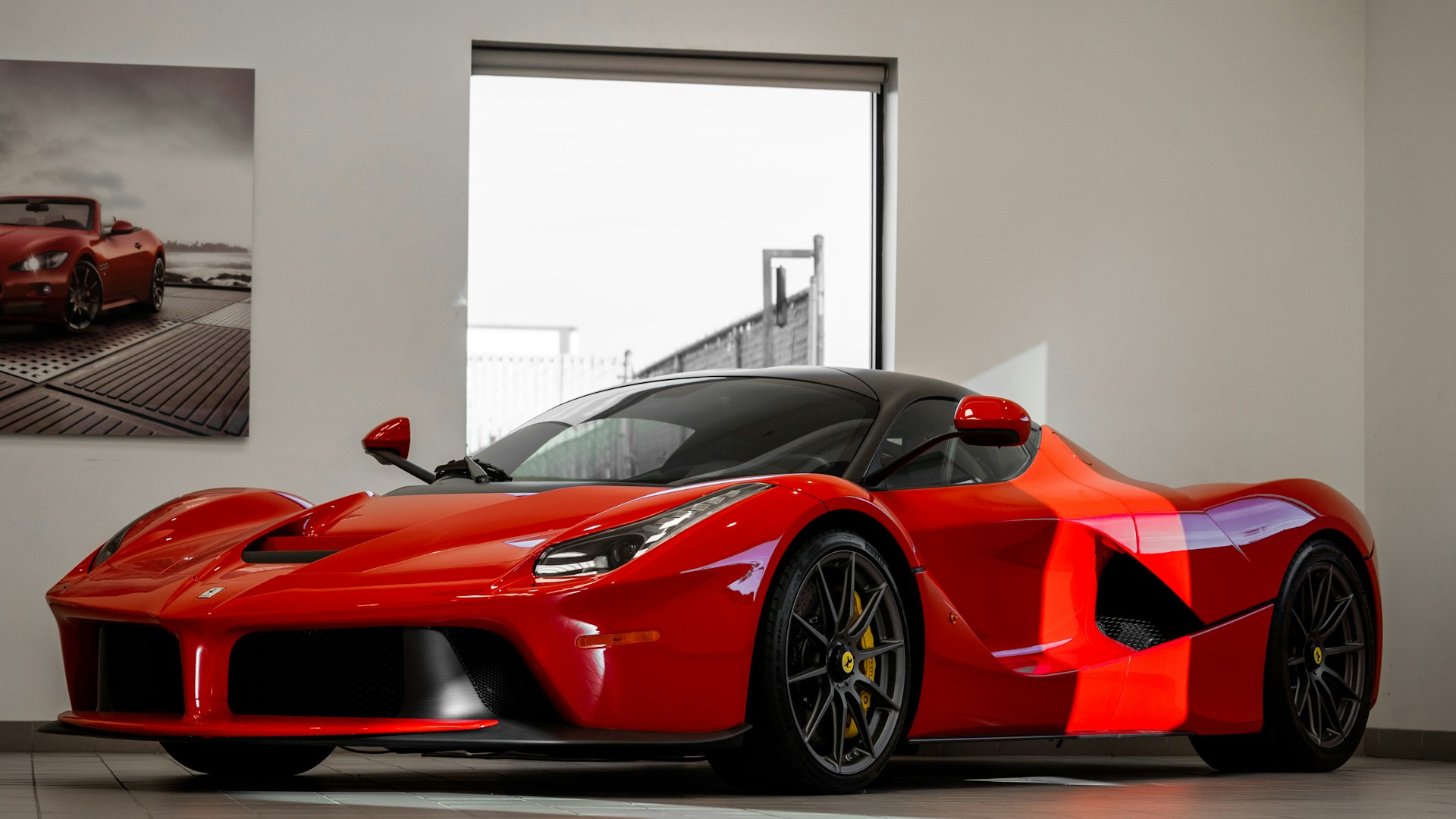
That is the picture from Broad Arrow Auctions’ October 31 event, as reported by Yahoo Autos.
A 1997 F50 Sold For $18,705,000, Beating The Old Record By $4.1 Million
The top sale of the night was a 1997 Ferrari F50 showing only 106 miles. It sold for $18,705,000 including the buyer’s premium, which made it the most valuable F50 ever sold at auction.
The previous public auction record was beaten by about $4.1 million. Ahead of the sale, the car had been aimed at a $20 million estimate, so the final total with fees landed below that guidance.
A 2003 Ferrari Enzo also changed hands that night for $6,550,000, though it did not set a record.
Ten World Records And A $92.8 Million Night
Broad Arrow closed its Las Vegas sale with $92.8 million in total sales, the highest total a collector-car auction has ever pulled in that city. Ten cars set new world-record auction prices.
Ferrari supplied three of the biggest numbers. The 1997 F50, a 2025 Daytona SP3 and a 2014 LaFerrari each topped what their models had fetched at auction before.
The 2025 Daytona SP3, with 81 miles on the odometer and sold by its first owner, brought $18,540,000, a world record for a non-charity example of the model. The 2014 LaFerrari added a third record at $8,805,000.
A McLaren P1 GTR by Lanzante also set a new benchmark for its model. Other six-figure and seven-figure results filled out the top ten, including the Chiron Super Sport and the Koenigsegg Regera.
“We are thrilled with the results from our second annual Las Vegas Auction,” said Barney Ruprecht, Broad Arrow’s vice president of auctions, in a statement.
Imagine the scene. A crowd of serious collectors, phones lined up for remote bidders, and an auctioneer calling numbers that most people only see on the price of a house. When the F50 sold at $18,705,000, the room had witnessed a figure no F50 had ever reached at auction.
It also helps to remember that the Las Vegas sale was only the second annual one for Broad Arrow. Ruprecht said so himself, and the record total in that city suggests the event is growing fast.
There was a nod to American iron, too. The report notes that the Shelby Daytona Cobra’s recent auction record showed American muscle can chase these numbers, but this night belonged to Italian cars.
Yet 26 Of 84 Cars Went Home Unsold
Here is the twist. Broad Arrow offered 84 lots and sold 64 of them. That is a 76% sell-through rate, which the house tied to a lineup heavy on modern hypercars and blue-chip Ferraris.
Even so, 26 cars found no buyer. Individual reserve prices were not broken out for those lots, but the gap between 84 offered and 64 sold shows that demand clustered at the top of the catalog.
The three record-setting Ferraris alone accounted for roughly $46 million of the $92.8 million total. That means a handful of cars carried about half the night, and the rest of the room had to fight for attention.
Run the math on the sell-through rate and it tells a story of its own. A 76% rate is well above what most high-end sales clear in a single day, according to the report. Put plainly, three out of every four cars that went across the stage found a new owner.
That makes the unsold 26 more interesting. In a room full of eager bidders, a quarter of the cars still went home with their old owners, which shows that even rich buyers are choosy.
What The Numbers Mean For Regular Car Folks
Most of us will never bid on a car that costs as much as a small apartment building. Still, a night like this says something about the wider hobby.
When a car has almost no miles on it, a famous badge and a clear story, buyers pay extraordinary sums. When a car is more ordinary, even a strong market can leave it sitting. That pattern holds at every level, from a hypercar to a family sedan from the seventies.
- Low miles and originality drive value. A car with 106 miles is close to a time capsule, and collectors pay for that.
- Records often come from one-owner cars. The Daytona SP3 was sold by its first owner.
- Read the fine print. Prices at big sales usually include a buyer’s premium, so the hammer price is lower than the headline figure.
- Unsold does not mean worthless. A car that misses at one sale may sell privately or at another auction later.
- Do not chase headlines. A record for one model does not mean every car in the hobby is rising.
The top-end collector market and the everyday classic market do not always move together. A record Ferrari can arrive in the same week that a cherished family wagon sits on a lot with no takers.
For anyone dreaming of a classic, the lesson is to know your budget and your goals. Whether you are watching a record fall in Las Vegas or shopping for a driver in your own town, the rules of patience and research stay the same.
More Stories You May Like
- Two Identical Cars Rolled Off The Same Line And One Died At 150,000 Miles While The Other Nears Half A Million Thanks To One Free Habit Nobody Thinks Of
- 8 Rare American Muscle Cars Built In Tiny Numbers That Collectors Still Chase, From FBI Special Order Sedans To A Hemi ‘Cuda Convertible That Sold For $3.5 Million
- Used Car Dealer Walks A Dealer Auction Lane And Shows What Dealers Really Pay As A 2009 4Runner With 178,000 Miles Has Him Calling The Prices Insane