

Picture two cars rolling off the same assembly line on the same day. Same engine, same transmission, same everything. Fifteen years later, one is sitting in a scrapyard with 150,000 miles on it. The other is still running and closing in on half a million. Nobody paid more for the second one, and nobody got lucky with a better engine.
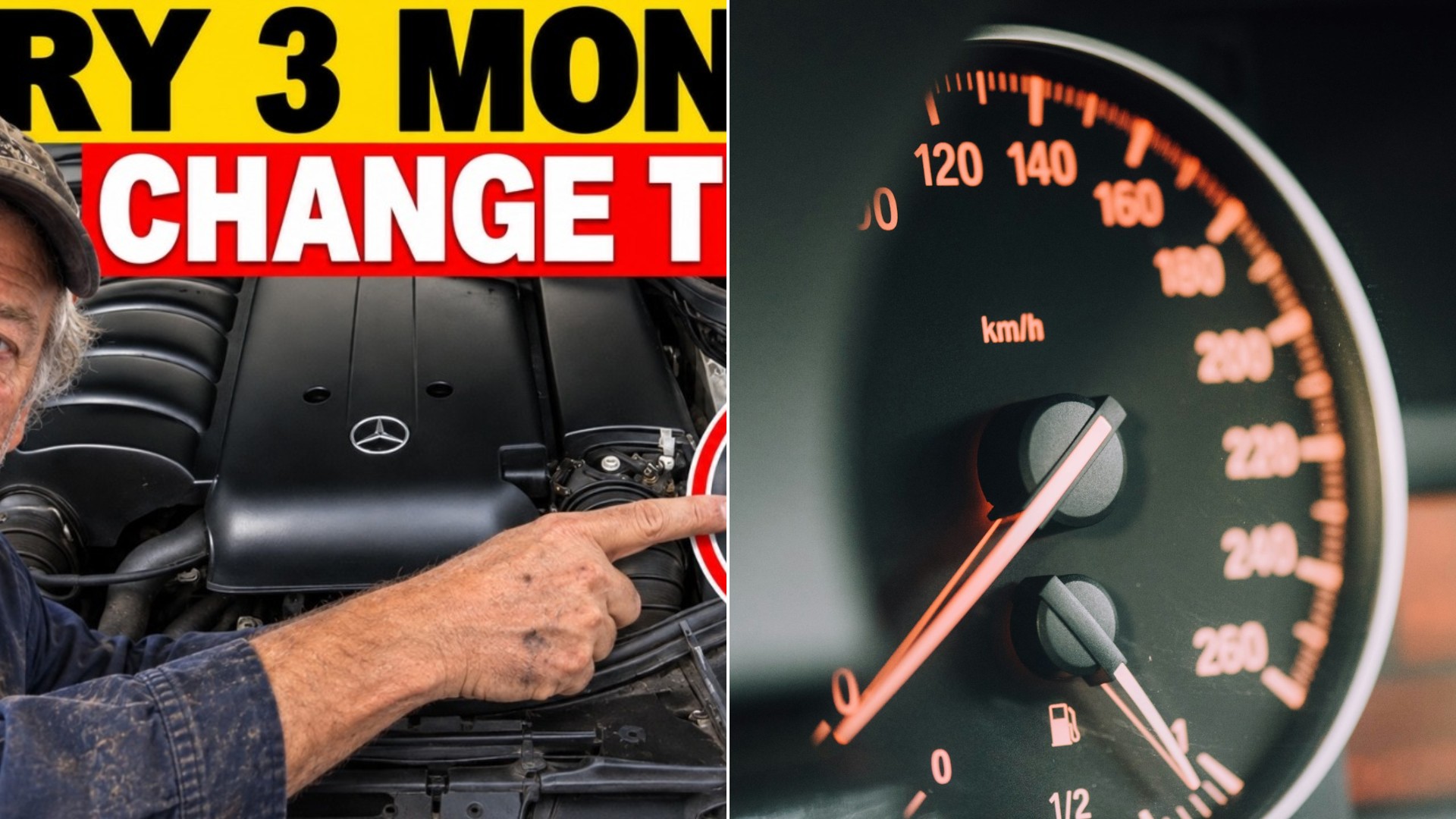
That is the opening of a video from a working mechanic named Steven Talley, and the answer he gives is not what most drivers expect. The difference, he says, is what happened to those two cars every week for 15 years. “Small things, cheap things, most of them free.”
First, A Reality Check
Steven is upfront about the big promise. “No car goes 500,000 miles without a single repair,” he says. “Parts wear out. Belts, brakes, bearings, tires.” The cars that make it that far still get repairs. What they avoid are the big ones: the engine that cooks itself, the transmission that burns up, the repair bill that is bigger than the car.
He also explains what is really working against your car. Cars almost never die of old age. They die from four enemies working on them a little every day. Heat cooks oil, fluids, rubber and plastic. Contamination from dirt, carbon, metal and moisture wears things down. Water rusts metal on the outside and ruins fluids on the inside. And time ages rubber and fluids whether or not you drive.
Oil: Read The Second Schedule
Long oil change intervals assume normal driving. Most owner’s manuals also include a second, severe service schedule. That one covers short trips where the engine never fully warms up, lots of stop and go traffic, extreme heat or cold, dusty roads and towing.
“That’s not unusual driving,” Steven says. “That’s how a lot of people drive every day. And if that’s you, your manual says change it sooner.” He also says to use the oil your manual specifies, both the viscosity numbers on the front of the bottle and the certification on the back. In North America, that means the round API service symbol and the starburst. Some European makers want their own approval code.
While you are under the hood, take a look at the engine air filter. It usually sits in a plastic box held by a couple of clips. Hold the filter up to a light. If it is packed with dirt, replace it, and do it sooner if you drive on gravel or dusty roads.
Transmission Fluid Wears Out Too
Many cars come with what the maker calls lifetime transmission fluid. Steven’s advice is to “treat transmission fluid like it wears out, because it does.” The friction additives help the clutches grab and release, and heat breaks them down. Stop and go traffic, towing, mountains and hot climates all add heat.
A transmission replacement is one of the biggest repair bills a car can face, and it is often the bill that decides whether a high mileage car gets fixed or scrapped. Check the severe service section of your manual and talk to a shop before doing anything aggressive. A gentle drain and fill is often preferred over a pressure flush on a neglected unit.
Top Tier Gas Is About Detergent
This one is not about premium versus regular. It is about detergent. Every gallon of gas sold in the US must contain some deposit control additive. Top Tier is a voluntary standard started by several automakers that requires more detergent than the legal minimum.
In AAA’s lab study, after the equivalent of 4,000 miles, gasoline that was not Top Tier left about 19 times more carbon deposits on intake valves than Top Tier fuel. Switching to Top Tier also helped reduce deposits in engines that had run on cheaper fuel. The price difference was only a few cents a gallon on average.
Keep The Sun Off A Parked Car
The sun bakes the dashboard, door and window seals, wiring, plastics and rubber. Over time, hoses get hard and crack, seals shrink and leak, clips go brittle and dashboards crack. “You can’t stop your engine from making heat,” Steven says, “but you can keep the sun from adding to it.”
The fix is simple. Park in a garage or in the shade, and use a windshield sun shade in summer. If a gauge shows the engine overheating, pull over safely and shut it off. “Driving a few more miles to get home is how a hose turns into an engine,” he warns. He also suggests keeping the engine bay clean, because oily grime holds heat and hides leaks.
Warm Up Gently And Drive Smooth
The old advice about idling for 10 minutes on a cold morning was meant for carbureted engines. A modern fuel injected engine needs only a short moment for the oil to circulate. Then drive off gently. It warms up faster driving than it does sitting still, and it wears the most when it is cold.
Smooth driving matters too. According to Steven, the Department of Energy says aggressive driving can cut fuel economy roughly 15 to 30 percent at highway speeds and 10 to 40 percent in stop and go traffic. His advice: “Look ahead, lift early, coast toward the red light, and brake gently.”
The Free Habit Nobody Thinks Of
Steven saves the biggest one for the end, and it costs nothing. Drive the car regularly. He points to the Toyota Tundra in Louisiana that went past a million miles. That truck spent its life working, piling up long miles year after year. “Highway miles are the easiest miles there are,” he says. “The engine is fully warm. The oil’s at temperature. The transmission’s in top gear.”
The opposite is a car that sits for weeks or only goes two miles to the store and back. It never fully warms up, so moisture and a little fuel collect in the oil and never cook out. The battery drains, the rotors rust, the tires develop flat spots, the seals dry out, old fuel goes stale and the exhaust can rust from the inside. “That car can have low miles and still be in worse shape than one that’s twice as old on the odometer.”
Idling in the driveway does not count. If most of your driving is short trips, he says, “that one longer drive a week does more for your engine than any additive in a bottle.”
If Your Car Has To Sit
Sometimes a car has to sit for a long stretch. Steven’s checklist is short. Fill the tank and add fuel stabilizer. Keep the battery on a maintainer. And drive the car when you can.
Stack The Habits
None of this turns a badly built car into one that lives forever, and you will still replace belts, brakes and tires along the way. But Steven says that when you stack these habits together, you shift the odds hard in your favor. His summary is short enough to put on the dashboard: change the fluids on time, keep the car cool, drive it smooth and drive it regularly. And write it all down.
More Stories You May Like
- Truck Shop Mechanic Names The One Modification Nobody Should Ever Make And Says It Destroys Wheel Bearings And Wears Out Suspension Faster
- True Barn Find 1967 Corvette L71 427 Is Found in Georgia with Only Three Thousand Miles on It
- Detailer Shares How a One Man Team Can Finish a Full Car Interior in Just Two Hours, and Step One Happens Before the Vacuum Ever Comes Out