

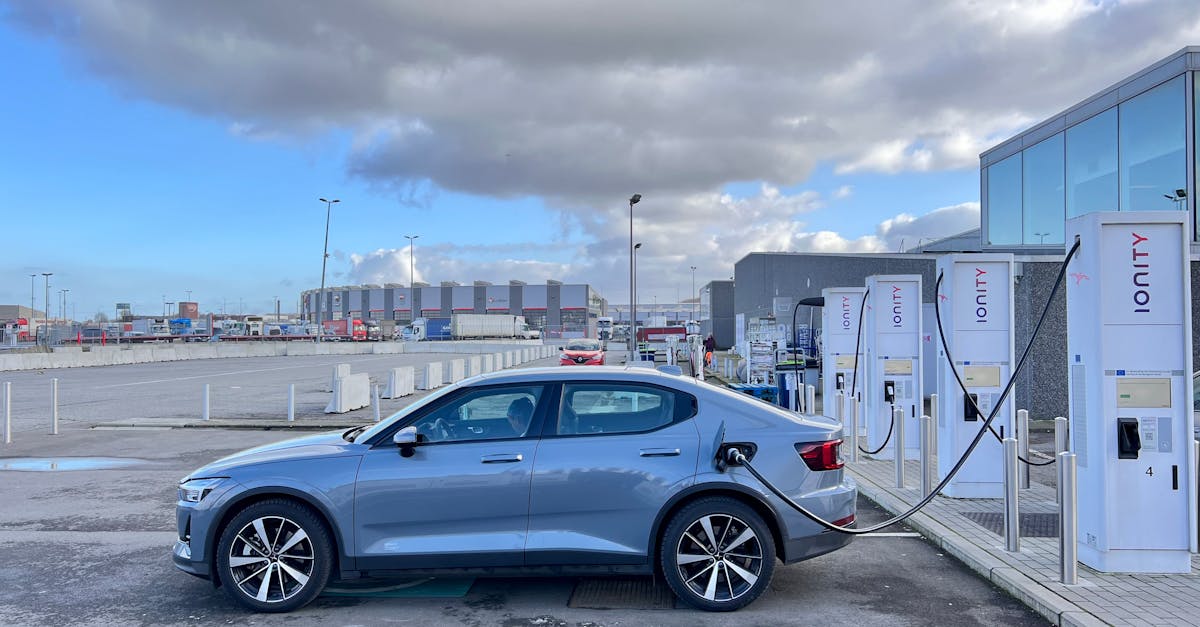
Electric vehicle (EV) sales are experiencing a notable slowdown, with industry analysts attributing this trend to a resurgence in gasoline-powered cars. This shift affects consumers, manufacturers, and environmental targets alike, raising questions about the future of the green vehicle market and its implications for climate change efforts.
Recent Sales Trends
According to the latest data from the Automotive News Data Center, U.S. EV sales dropped by approximately 5% in the first half of 2023 compared to the same period last year. While EVs still represent a growing segment of the market, the decrease in sales contrasts sharply with the booming growth seen in previous years. For instance, 2022 saw a remarkable increase of 68% in EV sales, making this recent downturn particularly significant.
Gas Prices and Consumer Preferences
One of the primary factors contributing to the slowdown in EV sales is the recent decline in gasoline prices. As of October 2023, the average price for a gallon of regular gasoline is around $3.45, significantly lower than the all-time high of $5.00 seen in June 2022. Lower fuel costs make traditional gas vehicles more appealing to budget-conscious consumers, who may be hesitant to invest in higher-priced electric alternatives.
Additionally, many consumers are reevaluating their transportation needs. For example, the 2023 Toyota Camry, known for its reliability and affordability, remains a popular choice among families who prioritize cost-effectiveness over environmental concerns. As gas prices stabilize, the economic rationale for switching to EVs diminishes for many potential buyers.
Supply Chain Challenges and Production Delays
Supply chain issues continue to plague the automotive industry, affecting the production of both EVs and gas-powered vehicles. The ongoing semiconductor shortage has caused significant delays in the availability of electric models, further frustrating consumers eager to make a purchase. Major automakers like Ford and General Motors reported production slowdowns for their electric models, including the 2023 Ford Mustang Mach-E and the 2023 Chevrolet Bolt EV.
These production bottlenecks have left some consumers with limited options when considering the transition to electric vehicles. As a result, many are opting for readily available gas models, which can be found on dealership lots with fewer delays.
Government Incentives and Infrastructure Issues
Government incentives have played a crucial role in promoting EV adoption; however, many of these programs are in flux. The federal tax credit for electric vehicles has been a significant factor encouraging buyers, but recent changes in eligibility criteria and the expiration of certain programs have created confusion. As of October 2023, only EVs that meet specific sourcing and pricing criteria qualify for the full $7,500 tax credit, complicating the decision-making process for potential buyers.
Moreover, the charging infrastructure necessary to support widespread EV use remains inadequate in many regions. A report from the U.S. Department of Energy indicates that while there are over 100,000 charging stations across the country, many are concentrated in urban areas, leaving rural drivers with fewer options. This lack of accessible charging stations can deter consumers from making the switch to electric, particularly in areas where gas stations are readily available.
Environmental Implications
The slowdown in EV sales has raised alarms among environmental advocates and climate scientists, who argue that a resurgence of gas vehicles could set back progress toward reducing greenhouse gas emissions. According to a 2023 report by the International Energy Agency, a shift back to traditional combustion engines could increase global CO2 emissions by as much as 1.5 billion tons annually if current trends continue. This potential increase in emissions poses a significant challenge to global climate goals.
Looking Ahead: What This Means for Consumers and Manufacturers
The current landscape suggests that the automotive industry may need to recalibrate its strategy to accommodate changing consumer preferences. Automakers are under pressure to innovate and enhance the appeal of electric vehicles through improved range, lower costs, and better charging infrastructure. Models like the upcoming 2024 Hyundai Ioniq 6 and the revamped 2025 Nissan Leaf are anticipated to address some of these concerns, but their success will depend heavily on market conditions.
For consumers, this dynamic offers both challenges and opportunities. Those considering an EV purchase should evaluate their needs carefully, factoring in fuel costs, potential tax incentives, and charging accessibility. With the market in flux, consumers could find better deals on gas-powered vehicles while waiting for EV technology to improve.