

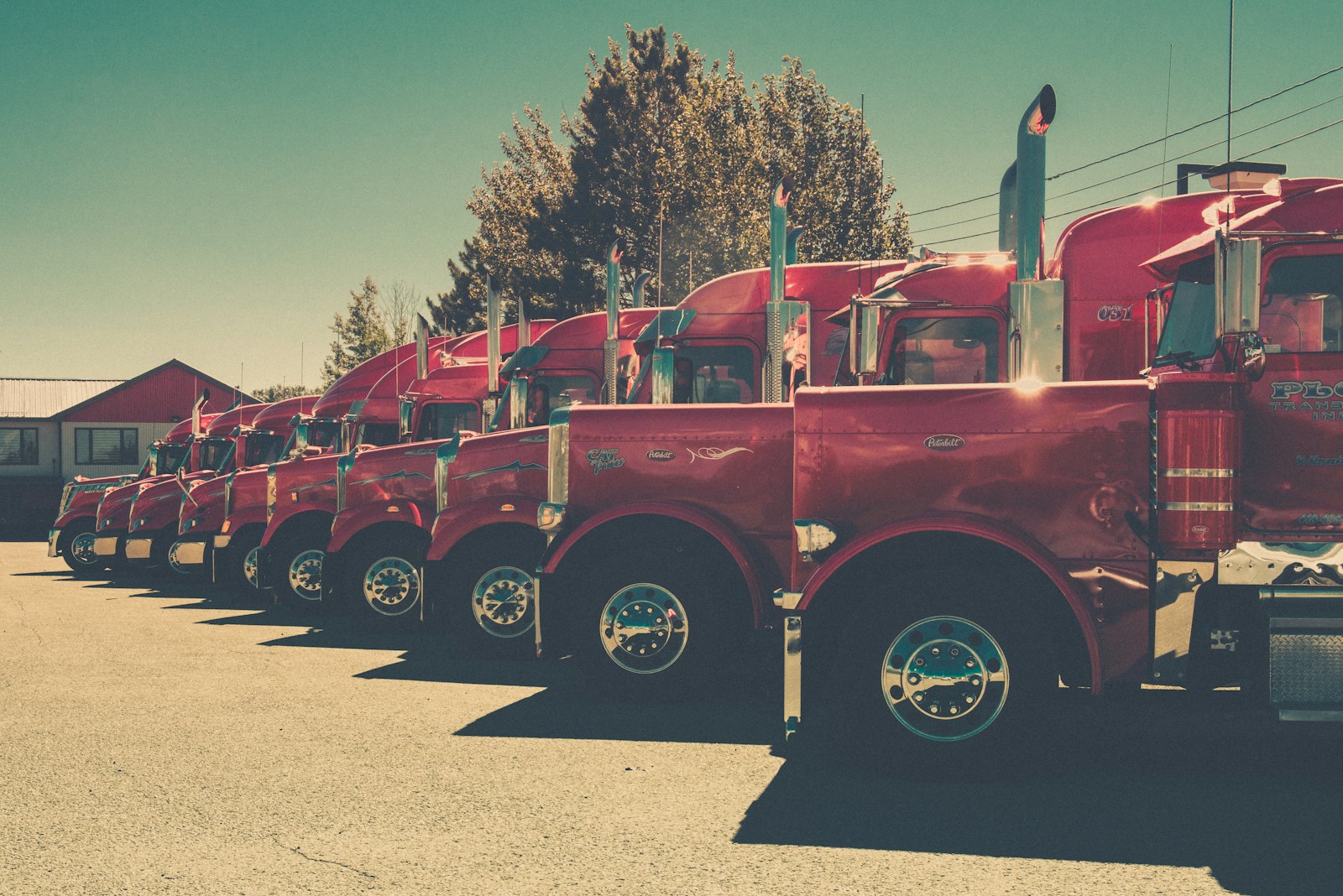
As emissions regulations tighten, several states are gearing up to introduce new restrictions on diesel trucks beginning in 2025. This move primarily affects commercial trucking companies and fleet operators, aiming to reduce pollution and improve air quality in urban areas. The urgency of these regulations stems from mounting evidence linking diesel emissions to serious health issues and environmental degradation.
Environmental Impact and Health Concerns
Diesel trucks are known for emitting higher levels of nitrogen oxides (NOx) and particulate matter compared to gasoline-powered vehicles. According to the Environmental Protection Agency (EPA), diesel exhaust is a significant contributor to air pollution, which can cause respiratory problems and exacerbate conditions like asthma. In 2020, diesel trucks accounted for nearly 40% of total NOx emissions from transportation, despite making up only 8% of vehicles on the road.
States like California, New York, and Washington are leading the charge with new regulations aimed at diesel engines manufactured before 2010. These regulations are expected to phase out older trucks, which are typically less efficient and more polluting. The California Air Resources Board estimates that implementing these new standards could prevent over 2,000 premature deaths annually and save billions in healthcare costs related to air pollution.
Legislative Actions and Proposed Regulations
In response to growing environmental concerns, several states have already introduced bills targeting diesel emissions. For instance, California’s Advanced Clean Trucks Regulation, set to go into effect in 2025, mandates that manufacturers sell a certain percentage of zero-emission trucks each year. This percentage will increase significantly by 2035, pushing the industry towards electric and alternative fuel options.
New York has proposed similar initiatives, aiming for a 100% zero-emission truck fleet by 2045. The state has earmarked $175 million in grants for trucking companies to transition to cleaner technologies. Meanwhile, Washington’s Clean Fuel Standard aims to reduce greenhouse gas emissions from diesel fuel by approximately 20% over the next decade.
Economic Implications for Trucking Companies
The impending regulations will likely lead to increased operational costs for trucking companies as they adapt their fleets. The American Trucking Associations (ATA) has estimated that compliance with new emissions standards could cost the industry upwards of $30 billion by 2030. This financial burden will particularly affect small fleet operators who may struggle to afford the transition to cleaner vehicles.
Many companies are beginning to explore electric options, but the upfront costs remain a significant hurdle. For example, a new electric truck can cost over $300,000, compared to a conventional diesel truck priced around $150,000. However, proponents argue that long-term savings on fuel and maintenance could offset these initial costs.
Technological Advancements in Diesel Engines
In light of the upcoming regulations, manufacturers are also focusing on making diesel engines cleaner. Newer models, like the 2022 Freightliner Cascadia, are equipped with advanced exhaust treatment systems that significantly reduce NOx emissions. These trucks meet the stringent EPA 2024 emissions standards, which may help some operators avoid the brunt of the new regulations.
However, many of these advancements are still not enough to meet the increasingly strict emissions targets set by states. As a result, the shift towards electric and alternative fuel vehicles is becoming more pressing, with many manufacturers announcing plans to phase out diesel altogether in the coming years.
Public Support and Activism
Public awareness of the health risks associated with diesel emissions has spurred activism and support for stricter regulations. Environmental groups have been vocal in their advocacy, highlighting the disproportionate impact of air pollution on low-income communities and communities of color. Polls indicate that a significant majority of Americans support stronger emissions standards, with 70% of respondents in a recent survey favoring the transition to electric vehicles in the trucking industry.
As these regulations roll out, public pressure on lawmakers to enforce stricter controls is expected to intensify, reflecting a broader societal shift towards sustainability and public health.
Call to Action
The impending regulations targeting diesel trucks in 2025 represent a crucial step in the fight against air pollution and climate change. Stakeholders, including trucking companies, policymakers, and the public, must engage in dialogue to find solutions that balance economic viability with environmental responsibility. Everyone has a role to play in supporting cleaner air and a healthier future. Stay informed, advocate for sustainable practices, and be prepared for the changes on the horizon.