

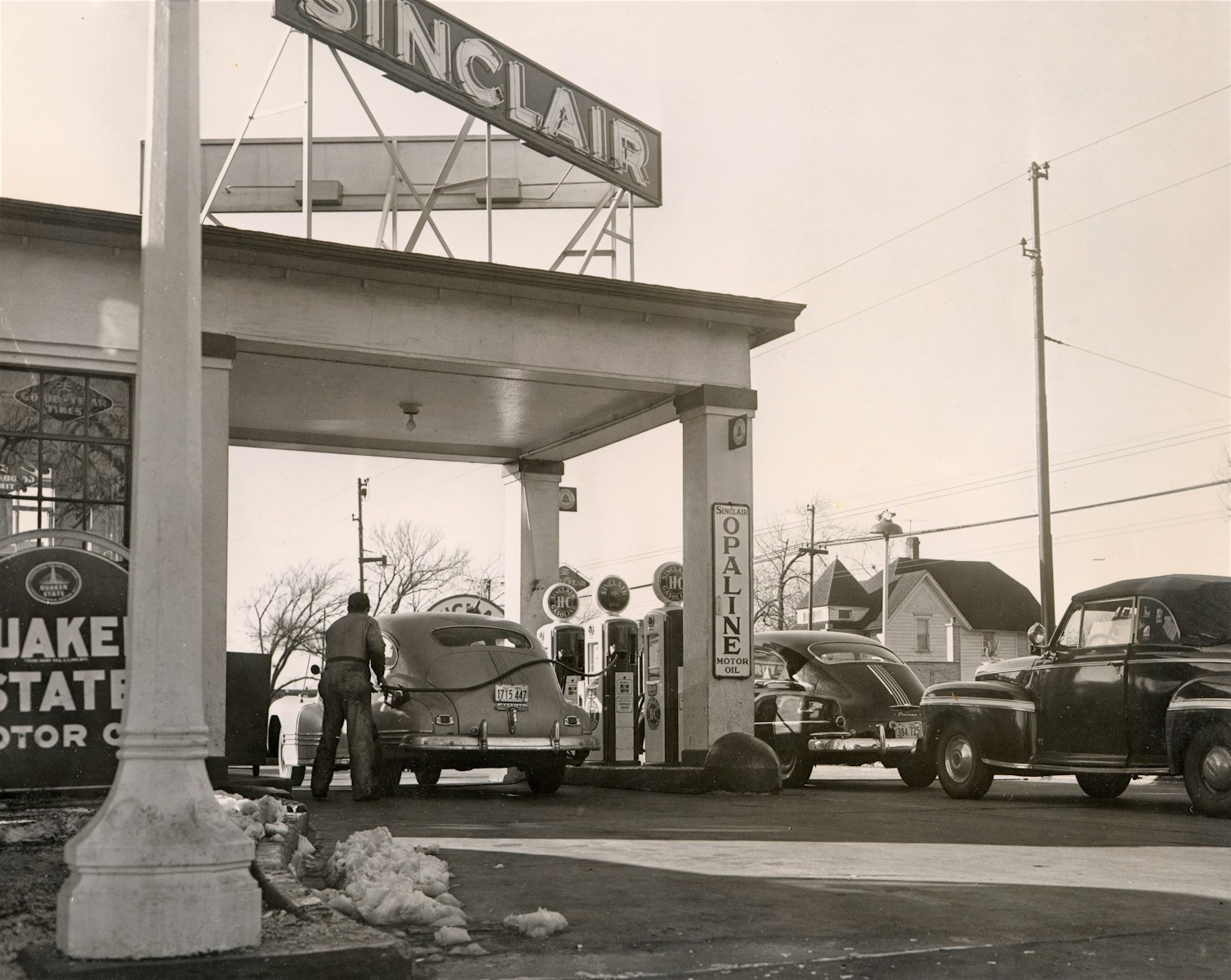
As the automotive landscape evolves, a generational gap has emerged in driving habits and car maintenance practices, leaving younger drivers perplexed by rules established by Baby Boomers. Understanding these rules is crucial for younger drivers, who may face challenges in vehicle maintenance, safety practices, and overall driving etiquette. With around 50% of millennials and Gen Z drivers admitting they lack knowledge about car upkeep, bridging this knowledge gap may prevent costly mistakes on the road.
1. Regular Oil Changes Are Non-Negotiable
One of the most significant differences in car maintenance philosophy between Boomers and younger drivers is the frequency of oil changes. Baby Boomers often adhere to the 3,000-mile rule, believing that changing the oil at this interval is essential for engine longevity. In contrast, many younger drivers tend to overlook this practice, with a staggering 36% of them admitting to changing their oil only when they remember or when a warning light appears. This can lead to engine problems and costly repairs, making it crucial for younger drivers to adopt a more proactive approach.
2. Tire Pressure Matters More Than You Think
Proper tire pressure is another area where generational differences are evident. Boomers grew up when tire maintenance was a part of regular vehicle care, often checking pressure monthly. In contrast, a 2022 survey revealed that nearly 40% of younger drivers seldom check their tire pressure, potentially leading to reduced fuel efficiency and unsafe driving conditions. Maintaining proper tire pressure not only enhances vehicle performance but also improves safety on the road.
3. Don’t Ignore Warning Lights
Baby Boomers are typically more attuned to their vehicle’s warning lights, often addressing issues immediately. A 2020 study found that 55% of older drivers take action within a day of a warning light activating. Conversely, many younger drivers may dismiss these alerts, believing they are minor inconveniences. This can lead to significant problems if critical issues, such as engine malfunctions or low oil pressure, are ignored. Understanding the importance of responding promptly to warning lights is essential for all drivers.
4. The Importance of Scheduled Maintenance
Scheduled maintenance is a cornerstone of vehicle care for Baby Boomers, who often adhere to the service intervals recommended by manufacturers. For example, the 2021 Honda Accord recommends a maintenance schedule every 7,500 miles. However, younger drivers often neglect these schedules, with a staggering 48% reporting they only take their car for service when it breaks down. Regular maintenance not only prolongs vehicle life but also ensures optimal performance, making it a rule younger drivers should prioritize.
5. Manual Transmission Skills Are Dwindling
Driving a manual transmission vehicle was once a rite of passage for many Boomers. With only about 18% of cars sold in the U.S. in 2022 being manual, fewer younger drivers are learning this skill. This trend not only affects driving diversity but also poses challenges in situations where a manual car is the only option available. Understanding the fundamentals of driving a manual can enhance a driver’s versatility, especially in regions where such vehicles remain popular.
6. Fuel Choices Matter
Fuel quality and type have long been a concern for Boomers, who often insist on using the recommended octane levels for their vehicles. For instance, the 2020 Ford F-150 recommends using 87 octane fuel for most variations, but some engines require higher grades for optimal performance. Younger drivers, however, may opt for cheaper fuel options without considering the potential impact on engine performance. Understanding how fuel choices affect a vehicle’s efficiency and functionality is essential for responsible driving.
7. Always Keep Emergency Kits Handy
Emergency preparedness is a crucial rule that many Boomers embraced, often carrying roadside emergency kits, including flares, first aid supplies, and jumper cables. A survey revealed that only about 22% of younger drivers regularly keep emergency kits in their vehicles. This lack of preparation can lead to dangerous situations in the event of a breakdown or accident. Carrying an emergency kit is a simple but effective way to ensure safety and readiness on the road.
Conclusion: Bridging the Gap for Safer Driving
As the generational divide in driving habits continues to grow, it is essential for younger drivers to learn from the experiences of Baby Boomers. Adopting these seven critical car rules can lead to improved vehicle performance, enhanced safety, and reduced maintenance costs. The automotive landscape is constantly evolving, but foundational car care principles remain timeless.