
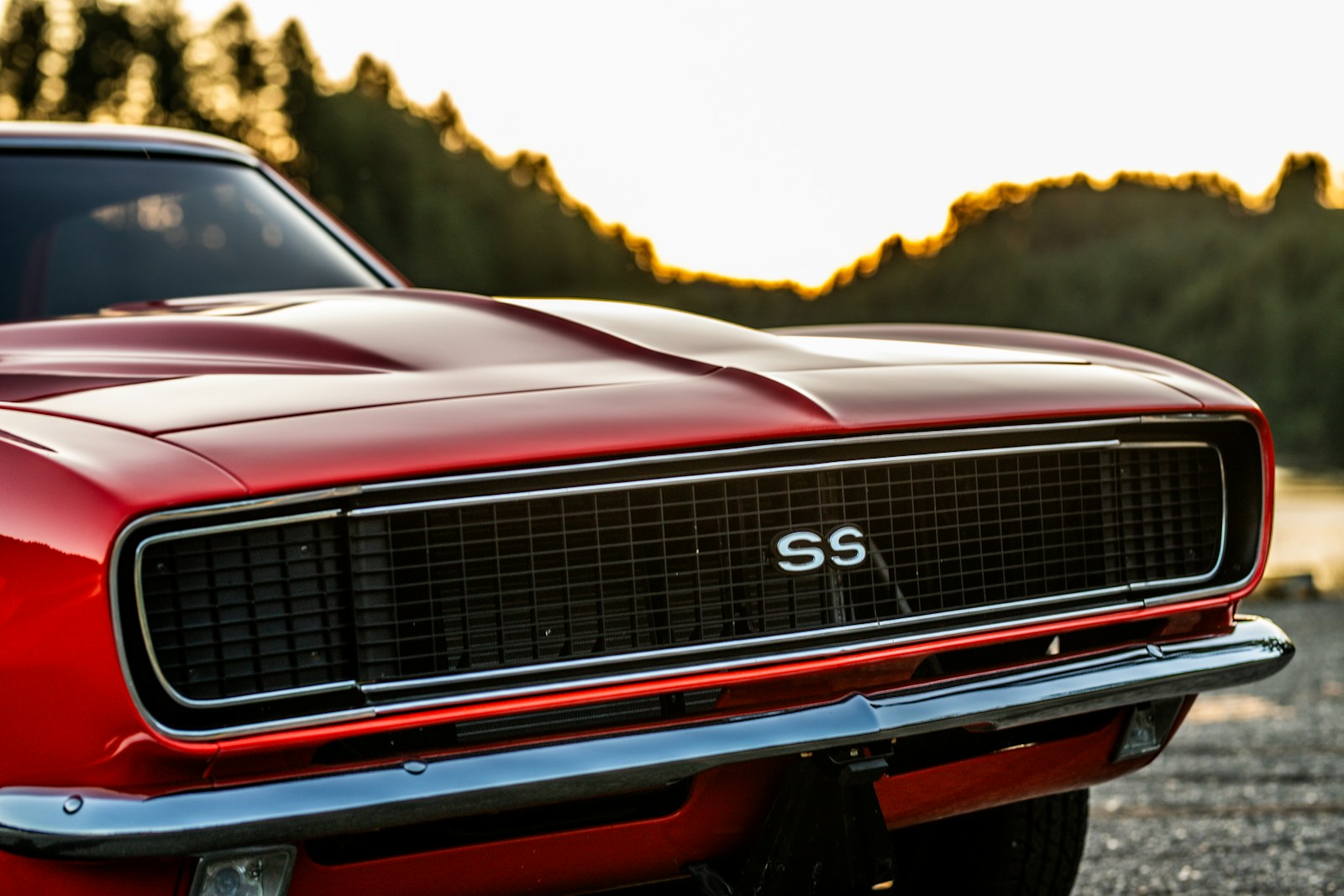

Twenty-one months after the last Camaro rolled out of Lansing Grand River, a nearly brand-new ZL1 Collector’s Edition sold at Barrett-Jackson for $236,500, more than double its as-optioned sticker. A 1969 Camaro SS 396 with a rebuilt engine and 57,700 miles on the clock sold on Hagerty’s own marketplace this past January for $35,250. Same nameplate, same basic idea of a two-door V8 coupe, and a gap between them of nearly seven figures once you account for what the truly special examples of each generation are pulling. That gap is the whole story of where the Camaro market sits in 2026, and it does not run the direction most people assume.
The first-gen SS 396 is still shockingly attainable
Start with the car that actually earned the SS badge on merit. A 396-cubic-inch big block, a Muncie four-speed, and roughly 375 horsepower depending on the L34/L78 spec you landed on in 1969 was a legitimately quick package for its era, and it’s the car every subsequent Camaro SS has been chasing the reputation of since. Yet real transaction data from this year shows a driver-quality SS 396 changing hands for well under $40,000. Another RS/SS 396 example, this one with the original numbers-matching engine pulled and disassembled for a future rebuild, sold on Hagerty’s platform last summer for $58,850. Neither of those cars is a barn find. They’re presentable, drivable, honest muscle cars, and they’re trading for less than a well-optioned new Silverado.
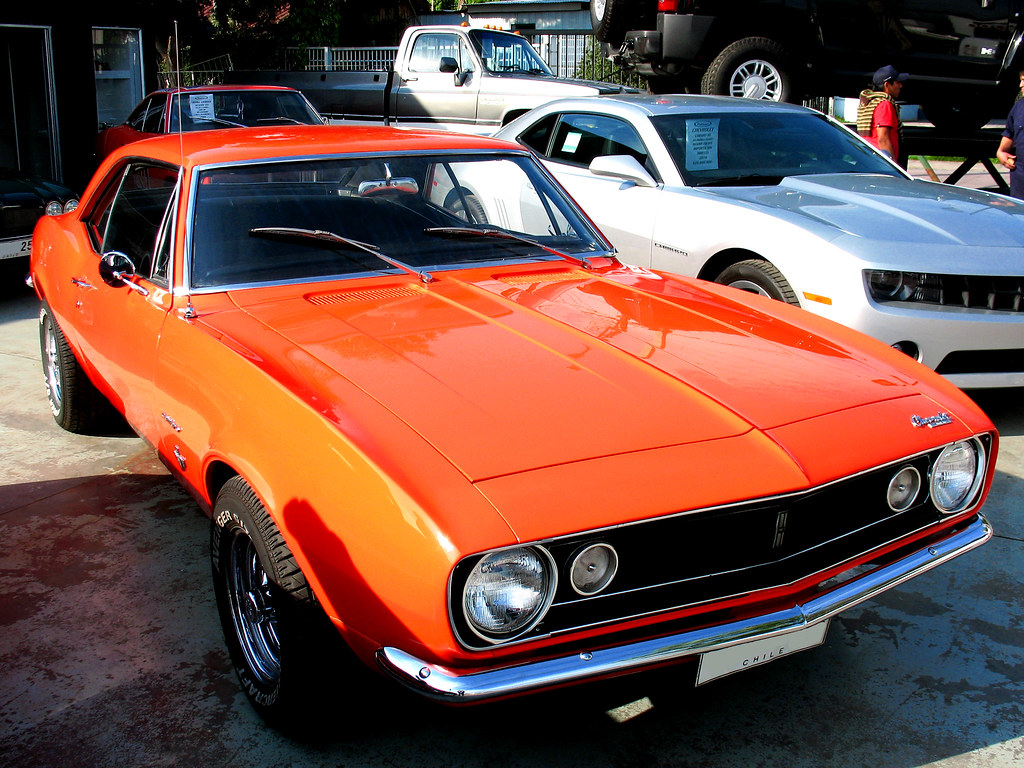
The ceiling, though, is a different universe entirely. When a documented, one-of-one 1969 Camaro built through Baldwin Chevrolet and tuned by Motion Performance with a 525-horsepower LS7 454 swapped in crossed the block at Mecum’s Kissimmee sale this January, it brought $1.1 million. That’s not a typo, and it’s not really an SS 396 comparison anymore either. It’s proof that the first-gen Camaro market has a firm floor around the price of a used commuter car and a ceiling that only opens up once you’re talking about COPO-adjacent, dealer-tuned unicorns with paperwork to back up every claim. A stock, honest SS 396 sits nowhere near that number, and that’s the part buyers keep getting wrong when they assume any ’69 Camaro SS is automatically six-figure money. Most of them simply aren’t, and that’s good news if you’re actually trying to own one rather than just admire the auction headlines.
The last Camaro is already priced like a unicorn
Now flip to the other end of the nameplate’s life. GM built its final sixth-gen Camaro in January 2024, and the collector market treated the discontinuation announcement like a starting gun. A Panther Black ZL1 Collector’s Edition, one of only 350 built with 274 coupes and 76 convertibles split between them, sold for that $236,500 figure within weeks of the last car leaving the line. Mecum sold three more Collector’s Edition cars that same spring at $170,500, $159,500, and $132,000, and a Garage 56 Edition ZL1, the one wearing the NASCAR-and-Hendrick livery tied to the Camaro that raced Le Mans, sold on Bring a Trailer that February for $260,000 against an $89,185 window sticker. Every one of those cars had delivery mileage. None of them had earned a single mile of racing history, a single generation of nostalgia, or fifty-seven years of surviving the crusher. They just had a build sheet that said “last of its kind,” and the market paid nearly triple sticker for that alone.
Here’s the part worth sitting with: the SS 396 needed decades, a couple of oil crises, and a genuine performance pedigree to become valuable, and even now most of them are five-figure cars. The last Camaro didn’t need any of that. It got hyperinflated before it ever left a showroom floor, purely on scarcity math and a shutdown announcement. That’s not really a knock on the sixth-gen ZL1, which is a legitimately vicious car with a supercharged LT4 and specs that would embarrass anything from 1969. It’s a reminder that “last of a legend” pricing is speculative in a way that “genuinely rare and historically important” pricing usually isn’t, and speculative premiums have a habit of cooling once the initial scarcity panic wears off.
What this actually means for your money
If you want a real 1969 Camaro SS 396 to drive and enjoy, you can have one for less than the price of a new Camaro would have cost you three years ago, and the Hagerty marketplace data backs that up in black and white. If you want a piece of the very end of the Camaro story, you’re buying into a speculative bubble at prices that already assume the car will be remembered the way the ’69 is remembered, decades before anyone can prove that out. One of these cars has already survived history’s judgment. The other is still waiting for it, and paying six figures up front to skip the wait.