
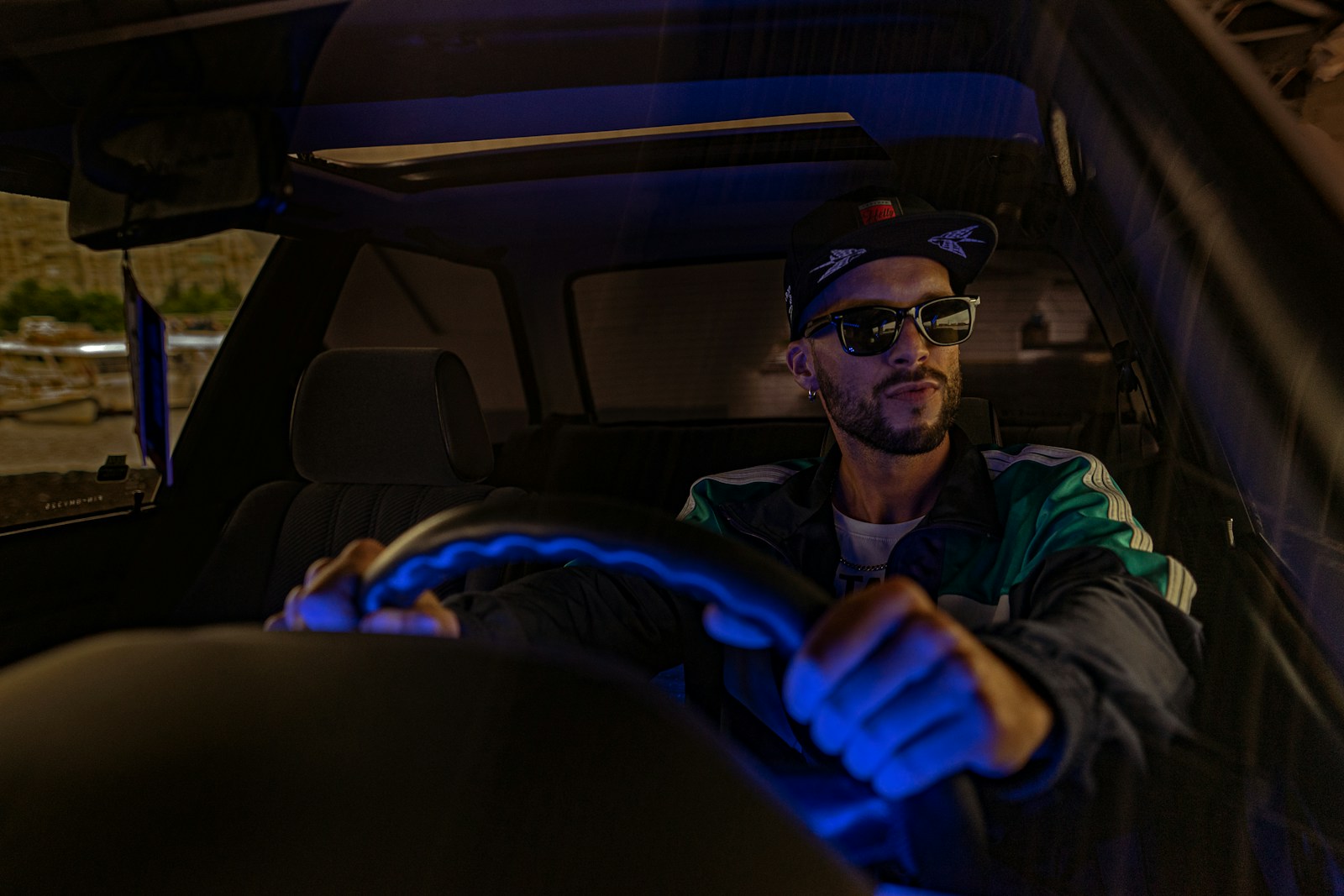

It started as one of those annoyingly normal errands where nothing’s supposed to happen. The driver—let’s call him Mark—had pulled into a crowded strip mall lot to grab coffee and pick up a couple things, the kind of place with tight lanes and drivers who treat reverse like a suggestion.
He hadn’t even killed the engine for long before he felt it: a soft, unmistakable bump that traveled through the seat and up his spine. Not a catastrophic crunch, but enough that your stomach drops anyway. When he looked up, the SUV behind him was angled wrong, like it had just rolled backward and tried to pretend it hadn’t.
Mark got out and met the other driver halfway between the cars. The guy was already walking toward him fast, palms out, doing that “hey, hey, hey” thing people do when they’re trying to get ahead of the narrative. Before Mark could even ask what happened, the stranger was apologizing and talking at the same time.
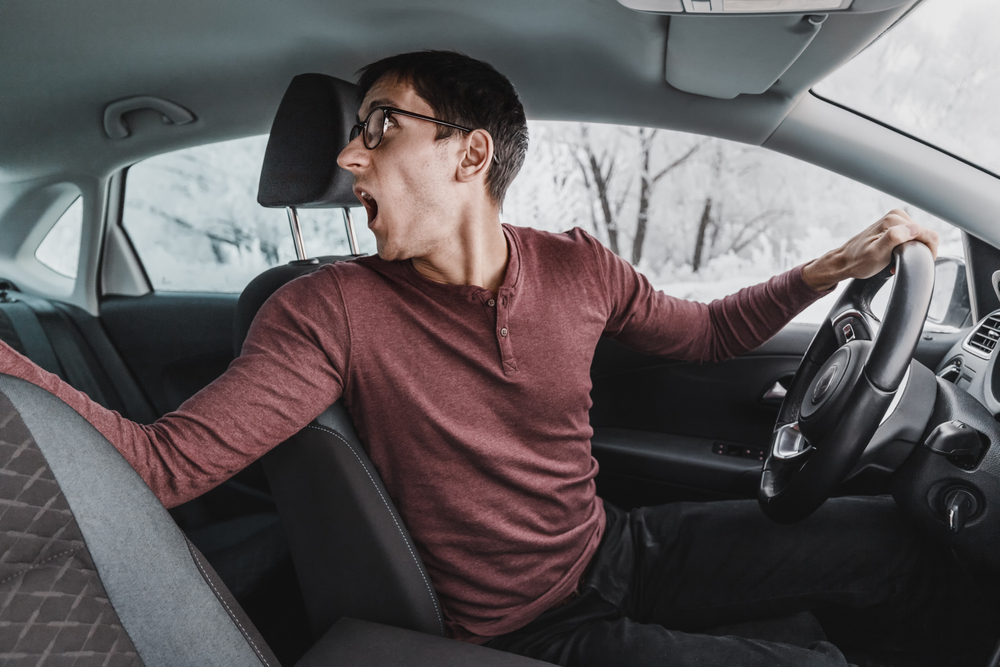
The parking lot confession
The stranger didn’t do the usual “I didn’t see you” dance. He went straight to, “I backed into you,” and started scanning the bumper like he could will the damage away with his eyes. Mark said the whole vibe was frantic but not hostile—more like someone who’d made a stupid mistake and desperately wanted it to stay small.
They crouched by the back of Mark’s car and found the mark: a scuff and a shallow dent that looked worse depending on the angle. Nothing was dangling, no fluids, no airbag drama, but it was definitely not “buff it out and forget.” Mark pulled out his phone to take photos, and the stranger’s face tightened immediately.
That’s when the pleading started. The guy asked—twice, then three times—if Mark could please not call insurance, not report it, not “make it a thing.” He said his premiums were already brutal, he’d had “a rough year,” and he’d pay cash, right there if he had to, just please don’t involve insurance.
Mark wasn’t trying to ruin anyone’s life over a parking lot dent, but he also wasn’t trying to get played. He told the guy he’d rather do it properly, but the stranger kept repeating, “I’ll take care of it,” like a mantra. So Mark did what a lot of people do in that moment: he tried to split the difference.
The handshake deal and the paper trail
Mark asked for the guy’s license and insurance info anyway, just in case. The stranger hesitated, then handed it over like it physically hurt, and Mark snapped photos of the documents. He also took pictures of both cars, the license plates, the position they were in, and the dent from multiple angles, because he’d been burned once before and remembered the feeling.
The guy kept trying to steer the conversation toward immediacy. He wanted Mark to go to a “buddy’s shop,” he wanted to send money on an app, he wanted to “handle it tonight.” Mark said he wasn’t comfortable committing to anything without an estimate, and the stranger agreed—quickly, almost too quickly—for someone so desperate.
They settled on a plan: Mark would get an estimate the next day, text it over, and the stranger would pay it. The stranger even typed his number into Mark’s phone and called it so it would save, and he stood there watching to make sure the call went through. He apologized again, said he appreciated Mark being chill, and made a point to say, “This is my fault,” one more time before leaving.
Mark drove off feeling annoyed but cautiously optimistic. The damage wasn’t huge, the guy seemed scared but sincere, and Mark had all the information he needed if things went sideways. It was one of those situations where you tell yourself you’ve covered every base, even if you’re still slightly uneasy.
The next-day whiplash
In the morning, Mark took the car to a local body shop. The estimate came back higher than he expected—not “totaled,” but enough to make it clear why people don’t want you to see a professional number: repainting, blending, labor, and the hidden stuff you don’t notice until someone starts measuring panels.
Mark texted the stranger a polite summary and a photo of the estimate. He didn’t add any attitude, just a straightforward “Here’s what they quoted; let me know how you want to handle payment.” Then he waited.
The response came back weirdly cold. The stranger didn’t ask questions about the shop or the line items. He didn’t negotiate or say he needed time. He hit Mark with, “I don’t know why you’re sending me this. You backed into me.”
Mark read it twice, then a third time, because it didn’t compute. This was the same person who’d practically auditioned for a remorseful driver PSA in the parking lot. The same person who’d asked him not to call insurance because it would “destroy” him. Now, overnight, the entire event had been flipped.
Watching someone rewrite reality
Mark didn’t blow up right away. He replied with the kind of message that screams “I’m trying to stay calm” even when you can hear the blood pressure rising. He reminded the guy that he admitted backing into Mark, that Mark had photos from the scene, and that they’d agreed Mark would get an estimate.
The stranger doubled down. He said Mark had pulled out too fast, that Mark “came out of nowhere,” that he had a witness in the car, and that if Mark wanted to play games, they could “let insurance decide.” The tone wasn’t just defensive; it was indignant, like the stranger was offended Mark had the audacity to ask for what they’d already discussed.
Mark went back through his camera roll like he was building a case file, zooming in on the time stamps, the angles, the placement of the vehicles. The photos didn’t show the moment of impact, but they did show the cars positioned in a way that didn’t match the stranger’s new story. More importantly, Mark had the documentation the stranger apparently forgot about: clear shots of the license, insurance card, and the plate.
That’s when Mark remembered the one detail that felt painfully obvious in hindsight. In the parking lot, the stranger had been obsessed with preventing an insurance claim, almost like he knew he’d be in trouble if it got formal. The next day, once he’d slept on the number, he’d decided the cheaper option was to gamble on Mark backing down.
The scramble to protect himself
Mark called his insurance company—not to file immediately, but to ask what he should do if the other driver was already changing the story. The rep told him, in that calm voice that makes you feel foolish for ever trusting strangers, to file a claim and upload everything while it was still fresh. Mark submitted the photos, the estimate, and screenshots of the text exchange where the stranger tried to rewrite history.
He also went back to the strip mall and looked for cameras, because now it wasn’t just about a dent. It was about being accused of causing an accident he didn’t cause, and there’s something uniquely infuriating about being punished for trying to be decent. The coffee shop manager told him the exterior cameras didn’t cover that row of parking spaces, and the neighboring store said they only keep footage for a few days.
Mark texted the stranger one last time, short and factual, saying he’d filed through insurance and would no longer be discussing it directly. The stranger replied with a message that tried to sound legally savvy—talking about fraud, false claims, and “my lawyer”—but it read like someone who’d just discovered those words existed. Mark stopped responding.
What made it especially maddening was how fast the emotional temperature changed. One day it was two adults in a parking lot working out a minor mistake; the next day it was an accusation, a threat, and a person acting like they’d been wronged by being asked to pay for damage they caused. Mark said he kept replaying the original apology in his head, wondering how someone could say “this is my fault” so clearly and then erase it overnight.
The story didn’t end with a neat little bow. Insurance said they’d handle it, but it could take time, and if the other driver disputed fault, it could turn into a longer back-and-forth. Mark still had the dent, the estimate, and that gnawing feeling that doing someone a favor is sometimes the fastest way to make yourself vulnerable.
He wasn’t even angry about the accident anymore, not really. He was angry about the pivot—the way the stranger had begged for mercy, been given a chance to keep it simple, and then tried to convert that kindness into leverage. And the worst part was the unresolved tension sitting under everything: if the guy was willing to change the story once, there was no telling what he’d say next when insurance finally called.
More from Steel Horse Rides: