
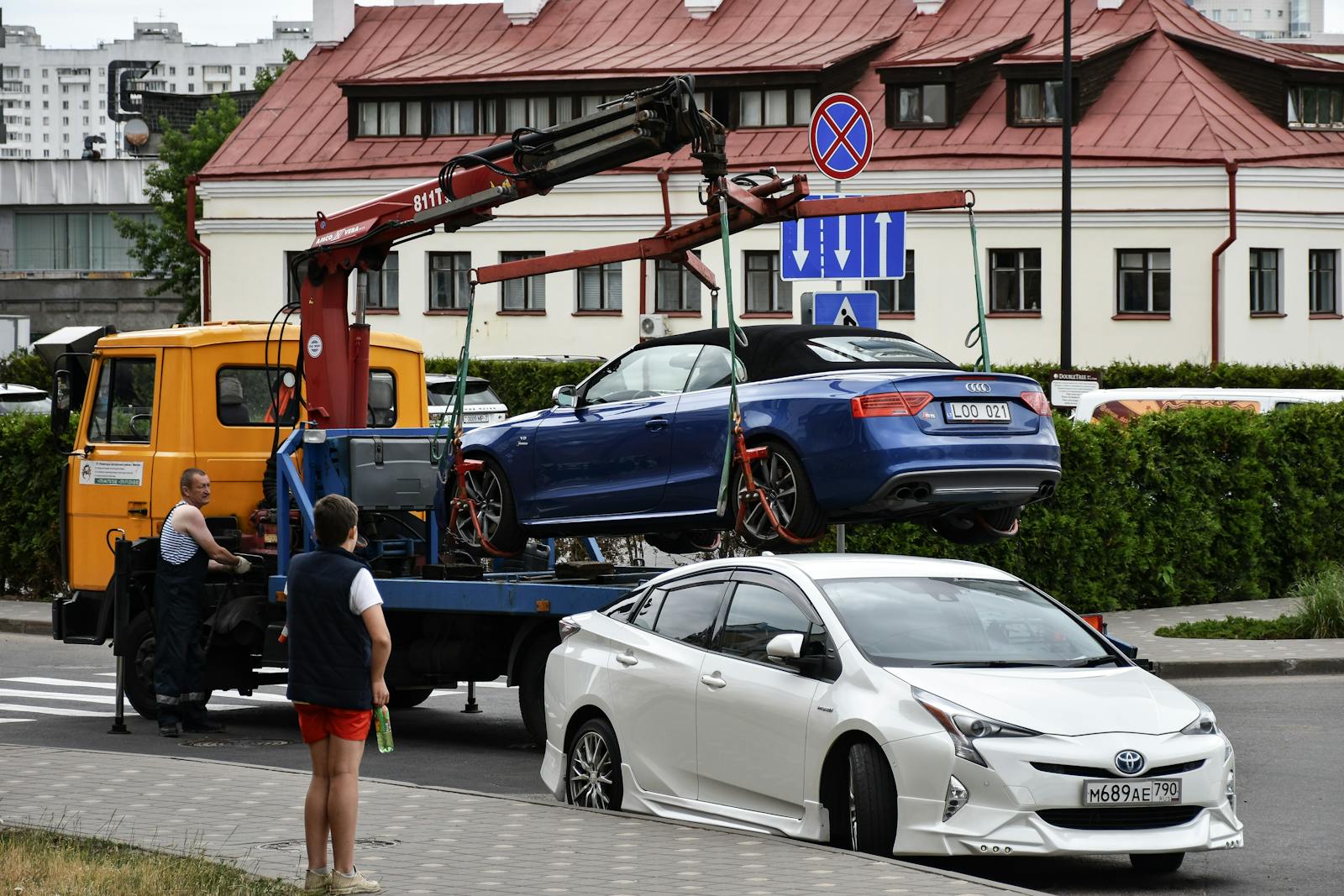

It started as one of those boring errands that never even makes it into your “today was eventful” category. She parked her car in the same spot she always used—legal, paid, not blocking anything—and went inside for less than an hour. When she came back out, the space was empty, and for a split second her brain did that panicky inventory thing: Did I park on the other side? Did I walk out the wrong door?
Then the dread set in. She did a lap of the lot, hit the lock button a few times like the car might beep back from a hidden corner, and finally accepted the obvious. Somebody had taken it. She called the police line, then the property office, then the usual tow numbers people trade like urban survival tips, and the answer came back with the casual confidence of a company that does this all day: yeah, they had it.
What they didn’t have was a reason. Or at least, not a reason that matched her car, her spot, or reality. And that’s when the story stopped being “annoying inconvenience” and turned into that specific kind of conflict where every conversation makes you feel like you’re being slowly scammed by people who keep repeating policy words like they’re magic spells.
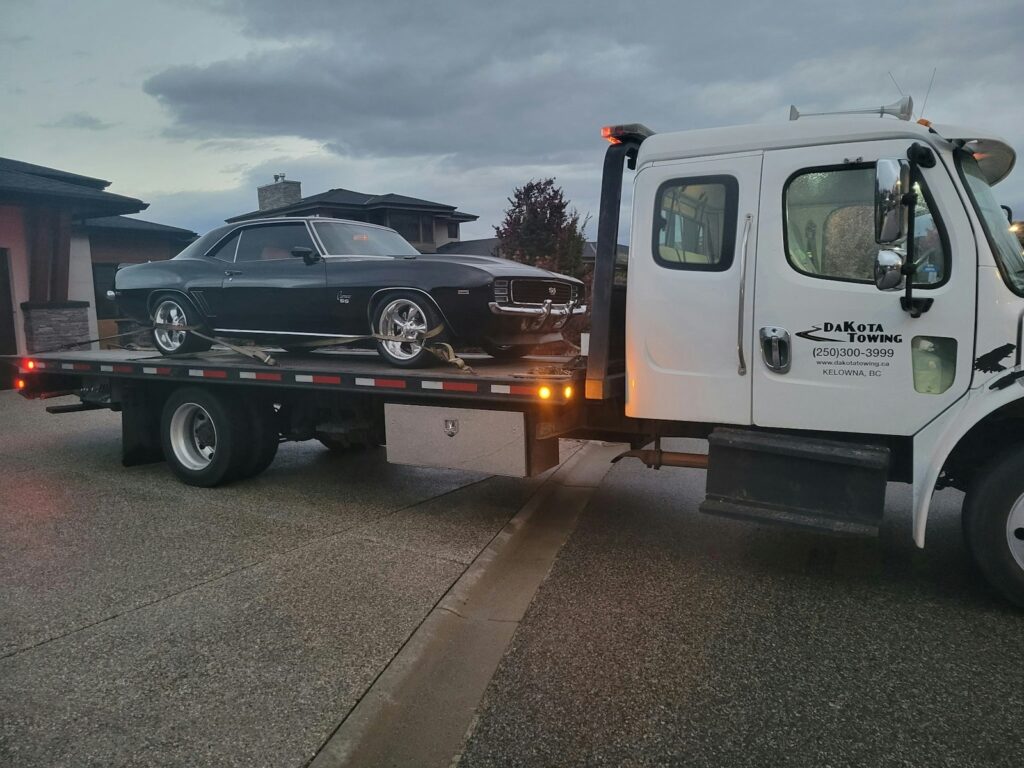
The “We’ve Got Your Car” Phone Call
On the phone, the tow company rep treated it like a standard retrieval. They rattled off the storage yard address, the hours, the paperwork she’d need, and the amount due—tow fee plus storage, already ticking up by the day. She tried to interrupt with the important part: her car wasn’t supposed to be towed. It wasn’t in a fire lane, it wasn’t expired, it wasn’t abandoned, and she wasn’t behind on payments.
The rep didn’t exactly argue; they just didn’t absorb it. They said they towed “a vehicle matching that description” from that property and if she wanted it back, she’d have to pay the fees. When she asked what the tow authorization was—who called it in, what was the listed violation—she got that familiar corporate shrug in verbal form: “That information isn’t available to you.”
So she did what people do when they feel cornered: she asked to speak to a supervisor, took notes, and called the property office again to confirm whether anyone had requested a tow. The property office told her, pretty plainly, they hadn’t. In fact, they sounded confused that any tow happened at all.
Finding It in the Yard
Getting to the tow yard wasn’t the cinematic moment you want it to be. It was more like pulling up to an industrial lot with chain-link fencing and a gate window that feels designed to keep you small. She walked up with her ID, proof of registration, and a mix of relief and rage, expecting at least to see her car intact while they sorted out the paperwork.
But even from a distance she could tell something was off. Her car wasn’t sitting flat the way it usually did; it looked slightly pitched, like it had been dropped a little too hard onto the pavement. When she got closer, she noticed the scrape marks under the front end—fresh, bright scarring where there should’ve been dull road grime.
She crouched down and saw the undercarriage panel hanging a little, not fully detached but no longer flush. There were gouges along the bottom edge, the kind you don’t get from normal driving unless you’ve taken a curb at speed. She pointed it out immediately, expecting the normal human response: “Oh, wow, that’s not good.”
Instead she got something colder: a quick glance from the employee and then a pivot back to the clipboard. Like the damage was a side note, like it was her job to prove the car had been fine before they touched it. She asked if they’d taken photos when it was picked up, and the answer was either a no or a vague “we document everything,” without actually showing anything.
The Fee Wall Goes Up
Here’s where it got ugly. She told them straight: they towed the wrong car. She had confirmation from the property office. She wasn’t paying to get her own vehicle back from a mistake she didn’t authorize. The employee behind the window didn’t raise their voice, but they also didn’t budge—no payment, no release.
They leaned hard on the script: storage accrues daily, release requires payment, disputes can be handled later. It’s a neat trick, pushing you into paying first because they know most people can’t afford to let their car sit in a yard for even a day or two. It’s not just the money; it’s the hostage situation of not being able to get to work, pick up kids, run errands, exist normally.
She asked again for a supervisor. She asked for the tow authorization. She asked who called it in. She asked why her plate number didn’t match any violation list. Every question got routed back into a loop: “We towed it legally,” “You can take it up with management,” “You can file a dispute.” All while the clock kept ticking and the car sat behind a fence with damage she couldn’t unsee.
At one point, she tried a different angle: fine, if they’re insisting the tow was valid, show her the paperwork that proves it. Not a summary, not a verbal explanation—actual documents. The answer was basically that they don’t have to provide anything at the window, and if she wanted records, she’d need to submit a request. Conveniently, a request takes time. Conveniently, storage costs money.
“It Was Like They Wanted Her to Give Up”
She left the window and made calls from the parking lot, because there’s something about standing outside a tow yard that turns you into a person who suddenly knows the number for every office in town. She called the property office again and asked them, explicitly, to email or text confirmation that they hadn’t authorized the tow. She called the non-emergency police line to ask what her options were if a company refused to release a vehicle taken without authorization.
The answers weren’t simple. The police line sounded sympathetic but careful, like they didn’t want to promise anything. The property office gave her what they could—confirmation she was allowed to park there, confirmation they didn’t request the tow—but they weren’t exactly eager to get dragged into a fight with a tow vendor either.
She went back to the window with documentation anyway. That’s when the tow company’s tone shifted slightly—not kinder, just more irritated. It wasn’t “Oh, we’re sorry.” It was more like, “Fine, we’ll check.” They disappeared into the back for a while, leaving her standing there with her arms crossed, staring at her own car like it might sprout legs and run.
When they came back, they didn’t admit a mistake in a clean, satisfying way. They said something like they’d “reviewed the call” and the tow was “based on information provided.” Which is corporate-speak for: somebody somewhere told them to take a car, and they took the one that looked close enough. The kicker was that they still acted like she was responsible for the fees unless she could prove, formally, that it was an improper tow.
The Damage Part Becomes a Second Fight
Even if the release fee got negotiated down or paused, the undercarriage damage didn’t magically disappear. She brought it up again, more pointed now, asking for an incident report or a damage claim process. The employee’s response was to go blank and say she’d have to talk to management, and management wasn’t available right then.
She asked to take photos. They didn’t stop her, but nobody offered to document it on their side either. She took a bunch—wide shots, close-ups, angles showing the scrapes and the hanging panel—because the entire vibe of the place made it obvious that if she didn’t capture it, it would become “pre-existing.”
Then came the most infuriating part: the suggestion that the car could’ve already been damaged, or that “road debris” might be responsible. It wasn’t said with open accusation, just planted gently like a seed, a way to set up the future denial. Meanwhile, she’s staring at damage that looks exactly like the wrong tow method on a low-clearance car.
She tried to keep her cool, but you can only hear “policy” so many times before it starts to feel like mockery. This wasn’t just about money anymore; it was about being treated like a nuisance while someone else’s mistake sat behind a fence. Every interaction made it clearer that the path of least resistance was to pay, leave, and eat the loss—exactly the outcome the system quietly relies on.
By the time she finally stepped away, she wasn’t just angry. She was stuck in that awful limbo where you can’t tell if you’re about to win a bureaucratic battle or get buried under it. Her car was right there, visibly scuffed underneath, and the tow company was still acting like it was doing her a favor by “looking into it,” as if the baseline assumption should be that she pays for their error and argues later. The tension wasn’t whether she could prove the tow was wrong—it was whether proving it would matter before the fees, the damage, and the pure exhaustion of fighting a wall turned the whole thing into an expensive lesson nobody asked for.
More from Steel Horse Rides: