
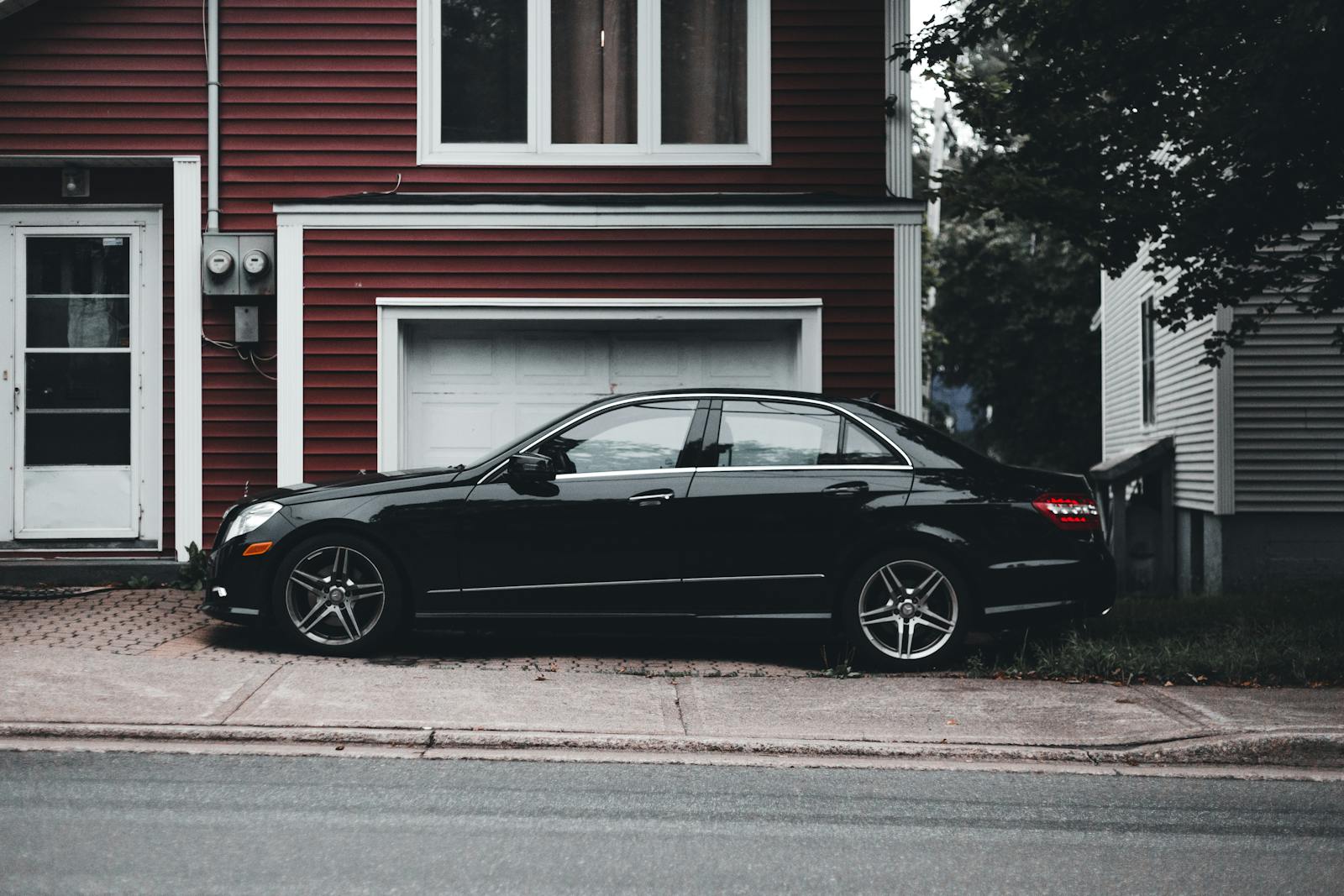

It started the way a lot of neighborhood feuds do: with a driveway, a curb, and one person acting like the lines on the pavement were more of a suggestion than a boundary. The driver in this story lived in a pretty normal residential block—small front lawns, narrow streets, the usual patchwork of cars tucked along the curb. His driveway wasn’t anything fancy, but it was his one reliable way to get in and out without playing parking-lot roulette.
Then the neighbor across the way—or technically next door, depending on how you picture the lots—began parking like he was trying to thread a needle while wearing oven mitts. Half his car would be in the street, half angled across the driveway apron, the bumper hovering just far enough over that you couldn’t swing out cleanly. It wasn’t a full blockade every time, but it was always enough to turn leaving for work into a slow-motion three-point turn.
The most bizarre part wasn’t even the parking. It was the neighbor’s reaction whenever the inevitable happened and his car got towed. Every single time, he acted like it was a fresh, completely unforeseeable tragedy—like someone had stolen his vehicle in the night rather than a tow truck doing what tow trucks do when a car is parked halfway across someone’s driveway.
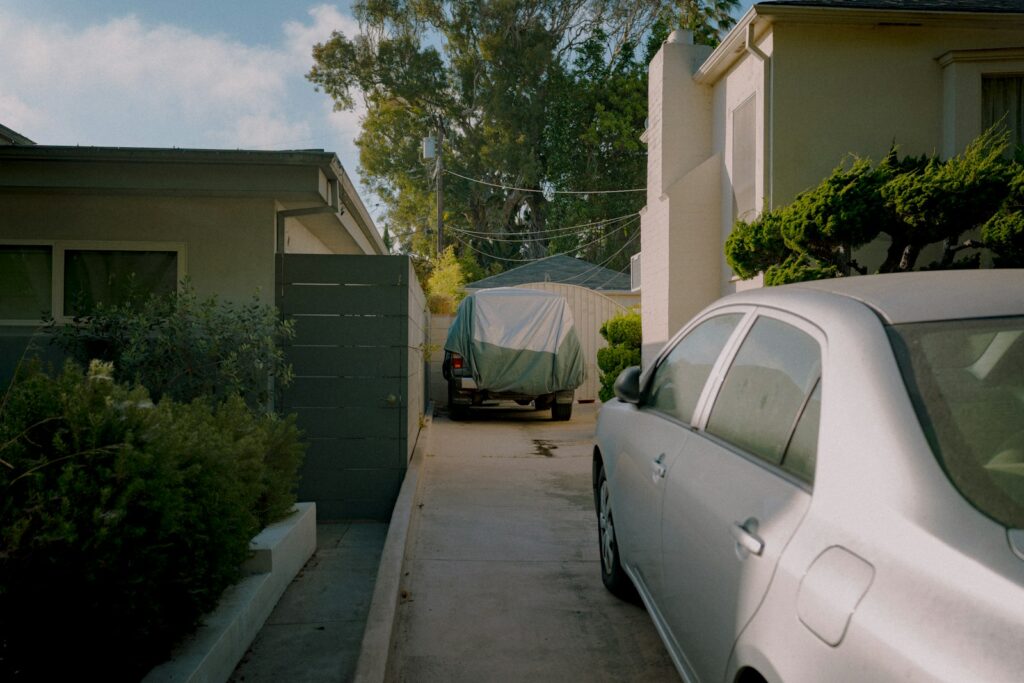
The “just for a minute” phase
At first, the driver tried to assume the best. Maybe the neighbor was unloading groceries, dropping off a kid, running something heavy inside. Those situations happen, and most people can tolerate a brief inconvenience when it’s clearly temporary.
But it didn’t have the temporary vibe. The neighbor would park crooked and wander inside without any urgency, leaving the car idling sometimes, other times just sitting there like it belonged. When the driver would step out and look around for the owner, there was no quick jog back, no apologetic wave, no “Oh sorry, I’ll move it.” Just a silent house and a car that shouldn’t have been there.
After the third or fourth time, the driver did what most reasonable adults do before they escalate anything: he talked to him. It wasn’t a screaming match; it was a normal, “Hey, can you not block my driveway?” kind of conversation. The neighbor nodded along with the easy confidence of someone agreeing in the moment because he wanted the conversation to end, not because he planned on changing anything.
For a week, it got better. Then one afternoon, the neighbor slid right back into his old habit—front tires turned toward the driveway like he was aiming for it. The driver watched from his front window, half annoyed and half amazed, because it took effort to park that badly. A regular curb spot was right there, open and obvious, and the neighbor still chose the angle that made leaving a problem.
The first tow, and the first “shock”
The first time the driver called a tow company, he didn’t do it gleefully. He did it because he was late, he couldn’t safely get out without risking scraping the neighbor’s bumper, and he was done with the idea that asking nicely was going to fix it. He double-checked the rules—blocking a driveway is blocking a driveway—and made the call.
A tow truck showed up fast, the way they do when there’s guaranteed work. The driver didn’t even have to point much; the situation spoke for itself. The truck operator looked at the car, looked at the driveway, and went into that practiced routine of backing up, hooking, lifting, and leaving.
About twenty minutes later, the neighbor appeared outside with that frantic energy people get when something valuable is missing and they’re trying to reverse time. He scanned the street, then the driveway, then the driver’s house, as if the car might have shrunk and rolled under a bush. When he finally knocked, he didn’t come in hot with an accusation. He came in with a bewildered, almost wounded tone—like he was reporting a crime and expecting sympathy.
The driver told him plainly: it got towed because it was blocking the driveway. The neighbor stared back like the words didn’t line up in his head. Instead of “I’m sorry,” he went with “I was only there for a little bit,” which wasn’t even true, and “They can’t just tow you for that,” which was the kind of claim people make when they’ve never read any rule unless it’s printed on a coupon.
The warnings that didn’t matter
After that, the driver tried to be extra clear. He warned him: don’t park across the driveway, and if it happens again, he’ll call again. Not as a threat, but as a boundary—one of those simple statements that should end the issue because it’s so easy to comply with.
The neighbor reacted the way people do when they feel embarrassed but refuse to admit fault. He got snippy. He acted like the driver was being uptight, like a driveway was a luxury item and not a basic thing attached to the house. He made little comments about how “everyone parks wherever” and how “it’s not that deep,” which is always what someone says when they’re the only one benefitting.
And then came the weird part: the neighbor started doing it more casually, like he’d decided the driver was bluffing. Sometimes the car would be half across the driveway in the morning; other times it would show up in the evening and sit there through dinner. The driver would look out and feel that little spike of disbelief—because now it wasn’t just inconsiderate. It was deliberate.
He tried one more time to resolve it without outside help. He left a note. He rang the doorbell. He asked if there was some reason the neighbor couldn’t use his own driveway or the curb like everyone else. The neighbor gave vague answers—something about needing room, something about “just stopping,” something that never landed as a real explanation.
Tow number two, and the performance repeats
The second tow happened on a day when the driver needed to get out quickly. The neighbor’s car was once again perched halfway across the driveway, angled like it was trying to claim the space by force of habit. The driver took a picture, not because he wanted a scrapbook of bad parking, but because he’d learned how quickly people rewrite history when they’re embarrassed.
He called the same tow company, and the truck came out like they were making a scheduled stop. The driver watched from inside this time, because he didn’t want to be outside when the neighbor inevitably came charging out. The car lifted off the ground and disappeared around the corner, leaving the driveway suddenly open and quiet.
The neighbor’s reaction was almost identical to the first time, which is what made it so surreal. He stormed outside, looked around, and then walked up and down the street as if the vehicle might have been relocated by a magical, benevolent parking fairy. He knocked on the driver’s door with that same offended confusion, like a man who’d walked into a glass door and wanted the building to apologize.
When the driver explained—again—that it was towed for blocking the driveway, the neighbor didn’t absorb it. He argued the details instead. “I wasn’t blocking it,” he insisted, even though half the car had literally been across the entrance. When the driver mentioned the photo, the neighbor’s face did that quick flicker—anger, embarrassment, then doubling down—because the evidence removed his favorite option: pretending it didn’t happen.
The cold war on the curb
After tow number two, the neighbor stopped pretending to be friendly. He didn’t apologize; he didn’t negotiate. He shifted straight into petty mode, the kind where someone can’t win the original fight so they try to win a different one by making the environment unpleasant.
He’d stare when the driver pulled in. He’d stand in his yard and watch the driveway like he was monitoring a border crossing. Sometimes he’d park in technically legal but irritating ways—close to the driveway without crossing it, hugging the edge like he was testing how much he could get away with before it counted as blocking.
And still, every so often, he’d slip. Maybe he’d be in a rush, maybe he’d be on autopilot, maybe he’d just resent the idea of changing his behavior for anyone. The car would creep across the driveway line again, just enough to be a problem, like he couldn’t help himself.
The driver’s frustration wasn’t just about being inconvenienced anymore. It was the insistence on being shocked, every time, like the neighbor believed reality should reset after each tow and offer him a fresh chance to play innocent. It turned a simple parking issue into this ongoing, low-level psychological grind: constant vigilance, constant documentation, constant wondering if today was going to be another tow day.
By the time the story’s at its current point, the neighbor hasn’t stopped acting bewildered when consequences show up at his doorstep. He’s still the guy who blocks a driveway and then performs surprise when his car disappears, as if tow trucks operate on whim rather than clear rules. The driver, meanwhile, is stuck living next to someone who treats boundaries like personal insults, which means the driveway is technically clear most days—but the tension is parked right there, permanent as a curb and just as hard to move.
More from Steel Horse Rides:
- 13 Most Powerful Muscle Cars of All Time
- 13 Underrated JDM Cars That Deserve More Love
- 15 JDM Cars That Were Illegal in the U.S.
- 13 SUVs From the ’90s That Are Surprisingly Cool Today