
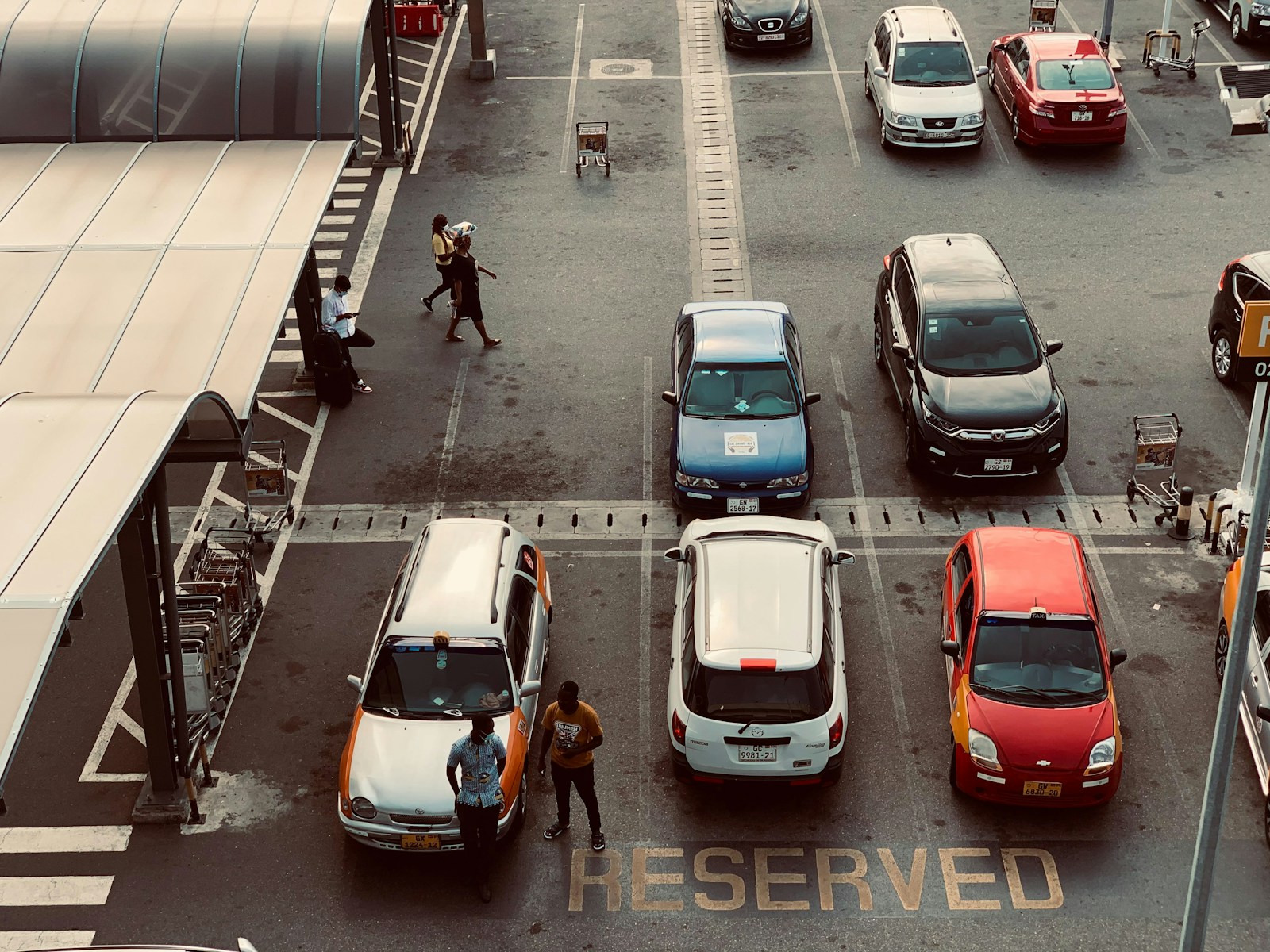

By the time he got back to the parking spot, the guy already knew something was wrong in that quiet, stomach-drop way. The space where his car had been was too clean, like it had never been there. No broken glass, no scattered plastic, no dramatic sign of a theft—just an empty rectangle of asphalt and the weird feeling of being erased.
He did the normal checklist anyway. Walked the row twice. Hit the key fob like that was going to summon the car out of spite. Checked the neighboring cars for a familiar bumper sticker, then stood there pretending he wasn’t panicking while he opened a notes app to make sure he hadn’t spaced and parked somewhere else.
He called the non-emergency police line expecting the standard script: “File a stolen vehicle report, we’ll put it in the system.” What he got instead was a vibe—polite, bored, and almost annoyed—that told him right away he was about to be pushed into the “not our problem” bin. The dispatcher asked if it could’ve been repossessed, and when he said it couldn’t, she sounded like she was humor-humoring a guy who didn’t want to admit he’d missed payments.
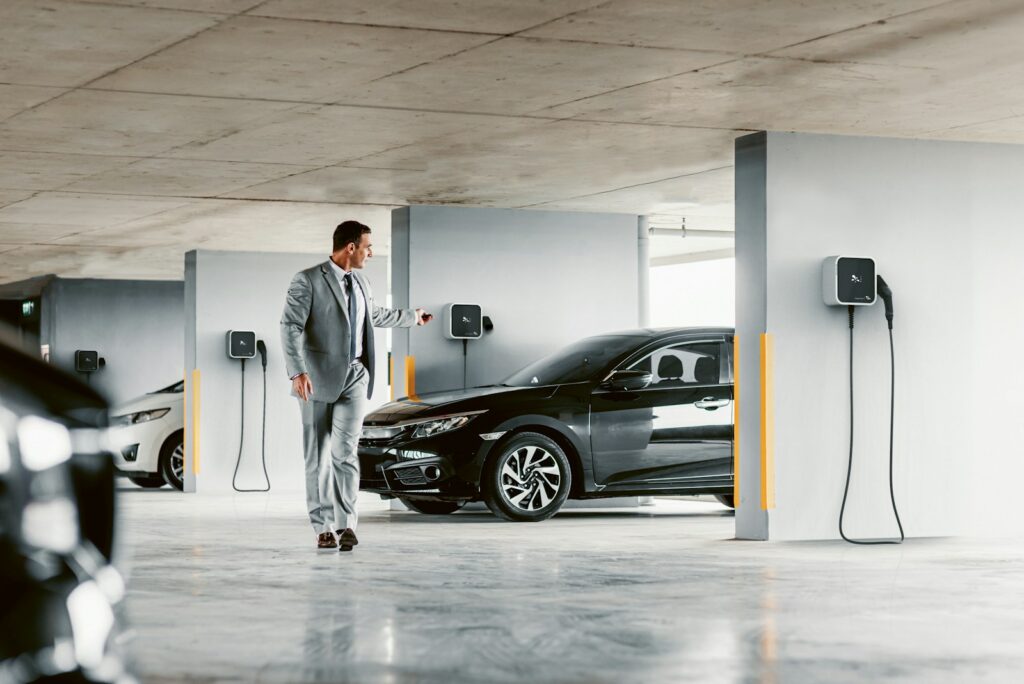
The first gut punch: “Are you sure it’s yours?”
When an officer finally showed up, it wasn’t lights-and-sirens. It was casual, like he’d requested someone to come mediate a parking dispute. The driver explained he’d walked out and the car was just gone, and the officer immediately started circling around the idea that it had to be a repo, because that’s “common.”
He tried to keep it simple: he had the title, the registration, the insurance, and a payment history that didn’t have a single late mark. He offered to pull up bank statements right there on his phone. The officer nodded, but it was the kind of nod that says, “Sure, sure,” while his eyes drift to the next box he needs to check to clear the call.
Then came the first truly maddening question: did he have proof the vehicle was actually his. Not “can you show registration,” but the tone of someone deciding, in real time, whether the guy in front of him was credible enough to deserve urgency. The driver handed over documents anyway, because what else do you do when the person holding the power is acting like your missing car is a misunderstanding you’re personally responsible for.
Everyone agrees it was a repo—except it wasn’t supposed to happen
The driver called his lender from the curb, on speaker, because he wanted the officer to hear it directly. After a long hold and the usual verification routine, the lender’s rep sounded confused. According to their system, the account was current, there was no repossession order, and they didn’t even work with any repo company in that county.
That should’ve been the moment where the whole thing snapped into “okay, this is theft.” Instead, it became a new category of problem: “civil.” The officer leaned into the idea that repo issues were between the owner and the repossession company, and that the police weren’t going to “get in the middle” of a civil dispute.
But the driver didn’t have a repossession company to call. Nobody could tell him who took the vehicle, where it was, or why. He kept saying some version of, “So my car is gone and you’re telling me it’s paperwork,” and the officer kept responding like he was explaining the weather—unfortunate, but not actionable.
The sharpest part was the mismatch in urgency. The driver was spiraling through real-life consequences: getting to work, getting his kid from school later, the stuff inside the car, the idea that someone could be joyriding it into a pole. The officer acted like the driver’s main problem was impatience.
The repo yard runaround: “We don’t have it… unless we do”
Eventually, the driver did what people always end up doing in these messes: started making his own phone tree. He called local towing companies, impound lots, and repo yards like he was trying to track down a lost pet. Most places said no immediately, and a few got weirdly cagey—like they didn’t want to say the wrong thing on a recorded line.
One place finally admitted they had a vehicle matching the make and model, but they wouldn’t release any details without a case number or “the lienholder” calling. When he said the lienholder had no idea what they were talking about, the person on the phone basically shrugged through the receiver. It wasn’t mean, exactly. It was that bureaucracy tone where you can hear the employee mentally washing their hands of it.
He drove out there with a friend, because what else can you do when your car is being held hostage by a system that won’t acknowledge it’s hostage-taking. The yard was a sea of sun-faded cars behind chain-link fencing and “NO TRESPASSING” signs. Inside the office, fluorescent lights hummed over a counter that had clearly been yelled at before.
They wouldn’t let him in to look. They wouldn’t accept his registration as proof. They wanted a release from the lienholder, but the lienholder was still insisting there was no repo order and no authorization. He was stuck between two entities each saying, “Not us,” while his car sat somewhere behind that fence accruing fees like interest on a mistake.
Back to the police: the “civil matter” wall gets thicker
He went back to the police with a name and an address, expecting that now—now—they’d treat it like an unauthorized taking. If a company has your car and can’t provide a valid order, that’s not a “mix-up,” it’s just taking someone’s property. He thought that saying it out loud to a uniformed officer would flip a switch.
Instead, the response hardened. The more he pushed, the more the situation got framed as him trying to use police to “force” a business to do something. He was told to contact the lender, contact the company, consider small claims, talk to an attorney—anything that kept the problem firmly on his side of the counter.
There’s a special kind of frustration when someone with authority keeps using calm words to describe your emergency. He wasn’t screaming; he was doing that tight-voiced thing people do when they’re trying to stay reasonable while their reality gets rearranged. The officers stayed polite, but politeness can be its own kind of dismissal when the underlying message is, “We’re not moving.”
He asked a simple question: if a random person had towed his car and demanded money to get it back, would that be theft. Nobody wanted to answer it directly. They kept returning to the magic phrase—civil matter—like it was a spell that made missing property less real.
Paying to undo someone else’s mistake
Days passed in the kind of stressful blur that makes time feel expensive. He borrowed rides, missed work hours, and kept calling his lender until he landed on someone high enough to be alarmed. The lender finally agreed to send a “no repo” letter, basically a written statement saying they hadn’t ordered the vehicle seized.
Even with that, the yard didn’t rush. They needed it on letterhead. They needed it emailed from a certain address. They needed time to “review.” And while they reviewed, the storage fees kept stacking, which meant the driver got to watch the cost of someone else’s error climb in real time.
When he finally got confirmation that the car was there, the release process still felt like begging. He had to show up with paperwork, ID, and a level of patience that bordered on surrender. The car came back with that telltale yard smell—dusty, stale, like it had been sitting under someone else’s control long enough to feel violated.
He found small damage that hadn’t been there before, the kind you can’t conclusively prove in a world where everyone denies everything. Personal items were missing, but only a few, which somehow made it worse. It suggested someone had been inside the car making choices.
And the police? The police were still parked at “civil.” No one was racing to investigate who authorized the pickup, whose signature was used, or whether the repo company had grabbed the wrong VIN because somebody typed too fast on a tablet. The driver was left holding a repaired problem and a new understanding: your property can vanish, you can do everything right, and you can still end up being the only person required to care.
What stuck with him wasn’t just the lost time or the money or the dents. It was that moment at the beginning—standing in an empty parking space while a system designed for emergencies treated him like he was complaining about a billing error. The car came back, but the unsettling part stayed: the sense that if it happened again tomorrow, he’d be right back at the same counter, explaining to calm faces why “civil mix-up” doesn’t feel any different than being robbed.
More from Steel Horse Rides: