

It started the way a lot of car headaches start: a routine service appointment that was supposed to be boring. The driver dropped his car off at the dealership in the morning, handed over the keys, signed the usual paperwork, and figured he’d be back before lunch. Nothing fancy—just the kind of maintenance you do to keep a modern car from turning into a money pit later.
By the afternoon, though, his phone buzzed with the kind of call nobody wants. The service department told him there’d been “an incident” and that his car had been damaged while it was in their care. They didn’t lead with details, just that careful, corporate tone like they were trying to keep the shape of the story small.
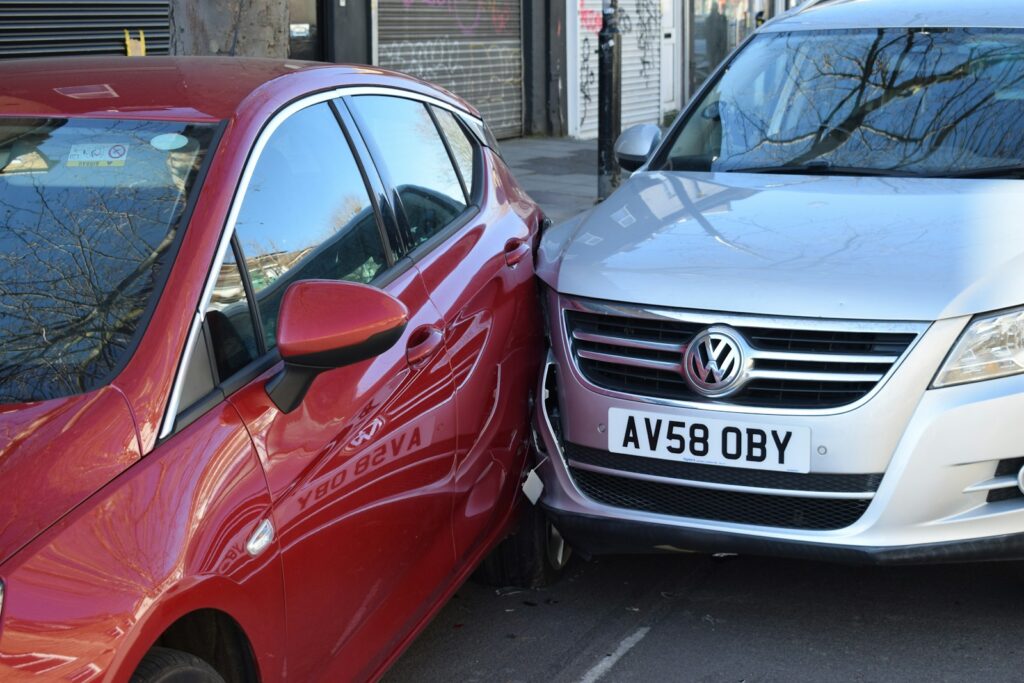
When he pushed for what actually happened, the picture got uglier fast. The car hadn’t suffered a minor scratch or a parking-lot ding; it had been wrecked. And not in a “we backed it into a pole” way, but in a way that immediately raised the question: how do you manage to do that during service without someone doing something reckless?
The drop-off that turned into a gut punch
At first, he assumed it was going to be straightforward. Dealerships have insurance, they have procedures, and when they mess up they typically want the mess contained and resolved before it turns into a bigger problem. He expected an apology, a loaner, and a plan—something that at least acknowledged he’d just lost his car for who-knows-how-long through no fault of his own.
Instead he got a weirdly vague explanation and a suggestion that they’d “figure out next steps.” He asked if the car was drivable and got a hesitant no. He asked where it was and whether he could see it, and the answers started sounding like someone stalling for time.
By the time he actually saw the vehicle, it wasn’t an abstract “incident” anymore. It was real damage: the kind you can’t unsee once you’ve walked around your own car and realized panels don’t line up and things that used to be straight are now slightly wrong. The dealer’s staff didn’t act surprised, which somehow made it feel worse—like this was a problem they were trying to manage, not a mistake they were trying to fix.
The dealership’s story keeps shifting
He asked the most basic questions any reasonable person would ask: Who was driving it? Where did it happen? Was there a police report? Was another vehicle involved? The dealership’s replies had that slippery quality where you can tell someone is choosing words carefully, not because they’re being precise, but because they’re trying not to commit to anything.
One person implied it happened during a test drive after service. Another made it sound like it was being moved on the lot. Someone else suggested it was a “third-party” situation, as if the universe had reached down and smashed the car without anyone at the shop being responsible for the smashing.
He kept circling back to one point: the car was in their custody. That’s the whole deal when you leave your vehicle somewhere—whatever happens to it is on them, and they don’t get to dodge that by playing telephone with the story. The more he pressed, the more the dealership seemed focused on slowing the conversation down.
Promises, stalling, and then the slow fade into silence
After that first day, he waited for follow-up that never really came. A manager was supposed to call back. An estimate was “in progress.” Someone was “reaching out to their insurance.” The driver kept hearing versions of “we’ll get back to you,” but the timeline stretched from hours into days.
He tried calling and got the classic service-department runaround: transferred to voicemail, “he’s in a meeting,” “she’s away from her desk,” “can you email instead?” He sent emails, he left messages, he stayed polite longer than most people would. Each time he did, it felt like he was reintroducing himself into a situation that the dealership wanted to pretend was already handled.
What made it extra tense was that his car wasn’t just a piece of property; it was transportation. Work, errands, family obligations—life doesn’t pause because a dealership is moving slowly. If they’d handed him a proper loaner and a clear timeline, he could’ve at least functioned while the car got fixed, but those pieces either didn’t materialize or came with conditions and delays.
And then the dealership did the thing that drives people completely up a wall: they went quiet. Not “we’re still working on it, here’s where it stands” quiet. More like “if we don’t respond, maybe the problem becomes less real” quiet.
Insurance gets dragged in, and suddenly it’s not casual anymore
Eventually the driver did what people always end up doing when a company starts acting like a problem will evaporate if they stop talking: he called his insurance. Even though it wasn’t his fault, he needed someone with leverage, someone who deals with this kind of evasive behavior every day and doesn’t get intimidated by a service manager’s calm voice.
His insurer asked for the details, and that’s where things got awkward in a very specific way. The driver could tell his story easily: he dropped the car off, they wrecked it, and now they weren’t cooperating. The dealership, on the other hand, couldn’t even deliver a clean narrative, and that’s the kind of thing that makes insurance people narrow their eyes.
Once the insurance company started trying to contact the dealer directly, the silence became part of the evidence. It’s one thing to drag your feet with a customer; it’s another to do it with an insurer that can document every attempted call, every unanswered email, every “left a message with reception.” The driver didn’t have to be a legal expert to understand what that looked like from the outside.
And here’s the part that made the whole situation feel especially ridiculous: the driver’s insurance company ended up chasing the dealership. Not negotiating a complex claim, not hashing out liability between two carriers—just trying to get the people who wrecked the car to pick up the phone and participate in the basic process of fixing what they broke.
The dealership finally responds, but not in the way you’d hope
When the dealership did reappear, it wasn’t with a clean apology and a straightforward plan. It was more like they’d been forced back into the room and wanted to control the damage—not the car damage, the reputational damage. Conversations started sounding more formal, more guarded, and less like “we’re taking care of you” and more like “let’s be careful about what’s said out loud.”
They floated options that sounded reasonable until you listened closely: a repair at a shop they preferred, timelines that weren’t really timelines, assurances that didn’t include specifics. The driver’s patience was already burned down to the wick, so every vague sentence landed like an insult.
He also couldn’t shake the feeling that the dealership wanted the cheapest, quietest resolution possible. Not “restore the car to what it was and make the customer whole,” but “patch it up enough that the claim goes away.” If you’ve ever had a car repaired after major damage, you know why that’s not comforting—especially if the vehicle was new-ish, well-maintained, or something he planned to keep long term.
Meanwhile, the practical pressure didn’t let up. He still needed transportation. He still had to rearrange his days around phone calls that might not get returned. And he had to live in that weird limbo where you technically own a car that you can’t drive, can’t sell, and can’t trust, because it got wrecked while someone else had it.
By the end of it, the most telling detail wasn’t the crash itself—it was the silence afterward. Accidents happen, even at dealerships, even with professionals who move cars all day long. But going dark until an insurance company has to hunt you down makes it feel less like an accident and more like a strategy.
And that’s the bitter aftertaste here: the driver wasn’t just dealing with a damaged vehicle, he was dealing with the sense that the dealership’s first instinct was to wait him out. Even if the repairs get done and the paperwork eventually closes, it’s hard to unlearn the lesson that his car was safest when it was with him—because the moment he handed the keys over, the people who were supposed to be accountable seemed determined to become unreachable.
More from Steel Horse Rides: