


He thought the envelope was junk at first. Same bland layout, same “IMPORTANT SAFETY NOTICE” shouting in all caps, same corporate vibe that usually translates to “please schedule something you’ll forget about and we’ll pretend we tried.” But then he caught the words that made his stomach drop: recall. The exact part he’d been quietly worried about for months.
The driver—mid-30s, practical, the kind of person who keeps receipts in the glovebox and actually reads the manual when something starts acting weird—had been noticing a subtle change in the way the car drove. Nothing dramatic. Just a faint shudder under acceleration, an occasional hiccup at idle, and one weird moment where the dashboard lit up like a Christmas display and then went back to normal as if the car had gotten embarrassed.
The recall notice arrived on a Tuesday. The part failed on Thursday. And by Friday morning, he was standing on the shoulder with hazard lights blinking, staring at a dead vehicle and realizing the letter might as well have been a postcard from the past.
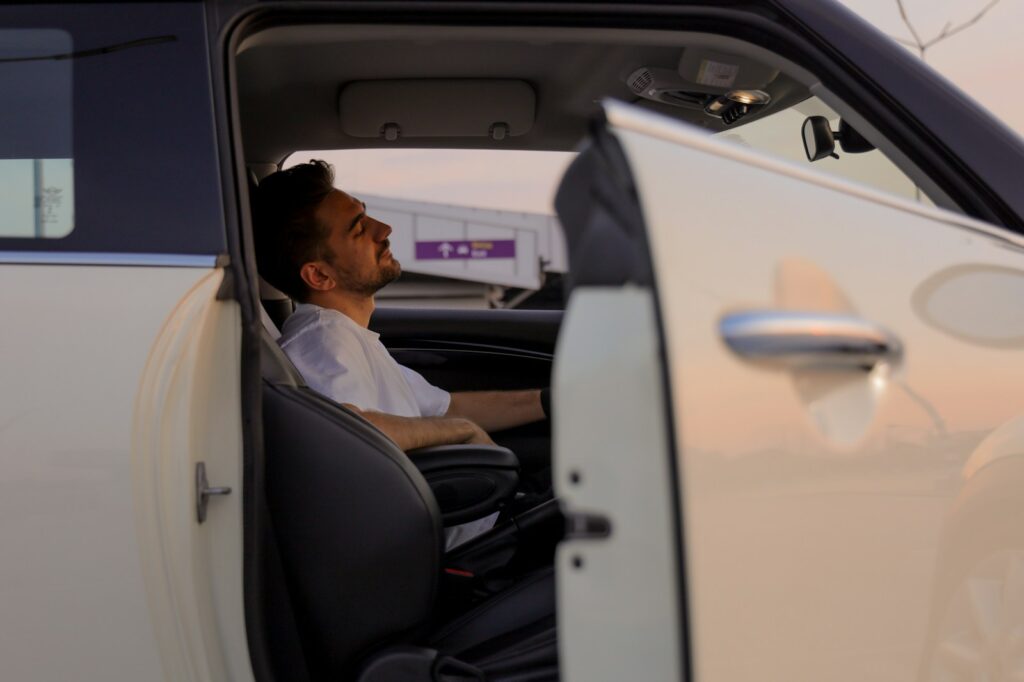
The letter that showed up after the problem was already happening
What made him mad wasn’t just the timing—it was the weird dissonance of it. The notice was written in that carefully sanitized language manufacturers use when they don’t want to say “we messed up.” It described the issue in broad strokes, warned that it “could” lead to a loss of power, and told him to bring the vehicle to a dealer for a free repair.
But he wasn’t reading it as a hypothetical. He’d already been living the early symptoms, and he’d already been trying to do the responsible thing. A few weeks earlier he’d taken the car in for an inspection, asked the service advisor to check the drivetrain because “something feels off,” and gotten the classic shrug: no codes, no problem found, come back if it gets worse.
Now it was worse, officially, on paper. The letter even included a neat little line about how parts might be limited at first and how the manufacturer would notify owners when remedies were available. He laughed at that—because the remedy had better be “make his car start again,” and he needed it yesterday.
Two days later, the failure stopped being theoretical
Thursday afternoon, he was running a normal errand route—grocery store, gas, swing by the pharmacy—when the car started doing the thing again, only louder. A harder shudder, a longer hesitation when he tapped the pedal, like the engine was taking a breath before deciding whether to cooperate.
He remembers the moment it actually let go because it was so uncinematic. No smoke, no dramatic bang, just a sudden drop in power and a sickening “oh, come on” feeling as the car refused to accelerate. He tried to nurse it to a parking lot, but it lost speed too quickly, and he ended up easing it onto the shoulder with people swerving around him like his emergency was an inconvenience.
When he tried restarting, it cranked like it wanted to live, then gave up. The dash threw errors he’d never seen before. He sat there for a minute with both hands on the steering wheel, staring straight ahead, doing that math everyone does: tow cost, missed work, rental car, and the sinking thought that the recall letter was now evidence the manufacturer already knew this could happen.
The tow, the dealer, and the first round of “not our problem”
The tow truck driver was sympathetic in the way people are when they’ve seen the same story a thousand times. “Is it one of those recalls?” he asked, casually, while winching the car up. The driver nodded, and the tow guy made a little noise like, yeah, that tracks.
At the dealership service desk, it immediately got weird. The driver brought the recall letter with him like it was a hall pass, laid it on the counter, and explained that the failure had just happened and the car was now undriveable. The service advisor glanced at it, typed something into the computer, and hit him with the first gut punch: they could “look” at it, but they couldn’t guarantee the recall would cover “consequential damage.”
That phrase—consequential damage—was where the whole thing started to feel like a trap. The driver wasn’t asking for an upgraded sound system or some freebie. He wanted the broken recalled part replaced, and he wanted the car to run again. But the dealership’s posture shifted into this cautious, defensive stance, as if the moment he said “it failed” he’d become a potential scammer.
They asked for time to diagnose. They asked him to authorize inspection fees “if it turns out to be unrelated.” He pushed back, pointing out that the recall describes the exact symptoms and the exact failure mode. The advisor did the polite smile that means “I’m going to say no without saying no,” and told him they’d call after they confirmed.
“Yes, it’s the recalled part” … followed by a maze
The call came the next day, and it was almost comical in how it landed. The service department confirmed it was the recalled component. Then, in the same breath, they said the repair remedy wasn’t available yet—or parts were on backorder—or the manufacturer hadn’t released the final procedure. The words kept changing depending on who was talking, but the meaning stayed consistent: the car was going to sit.
He asked what he was supposed to do in the meantime. The dealership said they could put him on a list. The manufacturer’s customer assistance line told him to work through the dealer. The dealer said the manufacturer controlled parts allocation. And the whole thing started to feel like a group project where every person keeps insisting someone else has the document.
Meanwhile, the costs started stacking up in real-time. He needed a rental to get to work. He needed some kind of timeline to plan around. He asked if the manufacturer would cover a loaner since the car was disabled by a known safety recall, and he got the kind of answer that’s technically a response but functionally useless: rental assistance might be available depending on eligibility, dealer participation, and documentation.
Documentation, of course, meant he was now gathering a full paper trail like he was preparing for court. Tow receipt. Service invoice. Photos of the recall letter. Notes from phone calls. Names, times, case numbers. The driver wasn’t trying to become a professional claimant; he just wanted to stop feeling like every person he talked to was treating the problem as if it started the moment he walked into their building, not the moment their part failed on the road.
Being “made whole” turned into a negotiation nobody wanted to own
Once it was clear the car would be stuck for a while, the driver shifted from “please fix it” to “okay, who’s paying for the mess.” He wasn’t even being greedy about it. He asked for reimbursement for the tow, rental coverage until the recall repair could be performed, and some assurance he wouldn’t get charged storage fees for a vehicle that was sitting there because they couldn’t source the part.
This is where the story got especially frustrating, because everyone spoke in half-commitments. The manufacturer rep would say they “understood the inconvenience” and told him to submit receipts for review. The dealership would say they “don’t control” what gets reimbursed. When he asked for something in writing—an email that confirmed rental coverage, a statement that storage fees would be waived—he got verbal reassurance and zero paper.
And then came the classic move: the subtle implication that he should be grateful they were doing anything at all. They reminded him the recall repair would be free once performed, as if the word “free” magically erased two weeks of rental charges and the fact that the vehicle became a paperweight on a highway shoulder. The driver kept circling back to the same point: the notice came too late to prevent the failure, and now the fix was delayed too.
He escalated. He asked for a supervisor. He asked for the case to be reviewed as a safety issue because the car lost power while moving. He pushed for the manufacturer to authorize a rental directly rather than “maybe” reimbursing later. Each escalation bought him more waiting and more scripted empathy, like the system’s main product was the sensation of progress without any actual motion.
By the time the dealer finally called with a tentative parts ETA, the driver had already paid out of pocket for more days of rental than he wanted to admit. The recall letter sat on his kitchen counter like a little monument to timing—proof that the manufacturer knew, proof that the solution wasn’t ready, and proof that the burden of bridging that gap was quietly dumped onto him.
What stuck with him wasn’t just the money, though that stung. It was the feeling of being stranded in a gap between “we acknowledge the defect” and “we’ll take responsibility for what it caused,” a gap filled with hold music and polite non-answers. The part failed anyway, the notice came after the warning signs, and the hardest fight wasn’t getting the car fixed—it was trying to make anyone admit that “free recall repair” doesn’t mean much when you’re the one paying to survive the meantime.
More from Steel Horse Rides: