
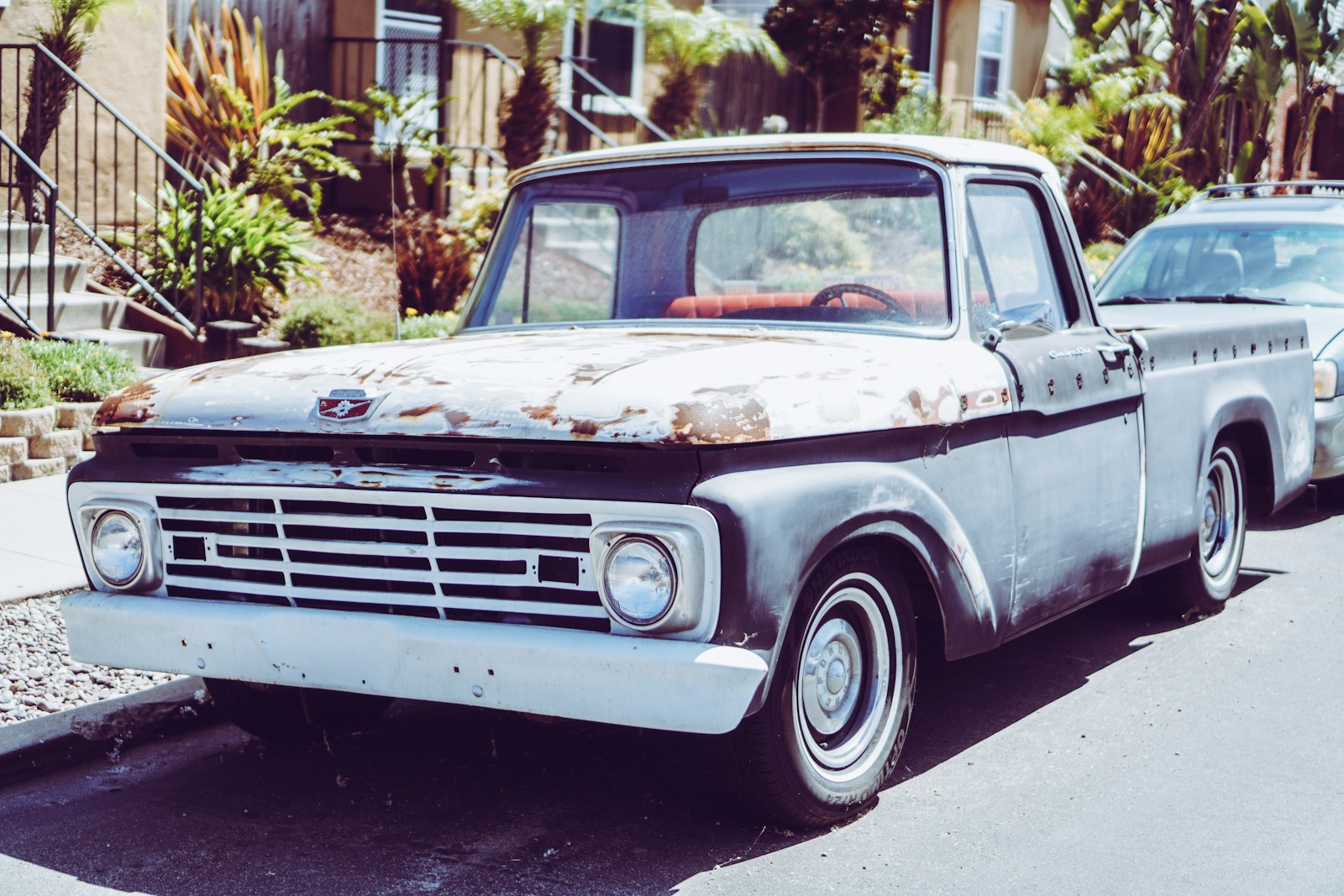

He wasn’t trying to build a show truck. He wasn’t chasing a trophy, or some Instagram-perfect restomod with a $10,000 paint job and a supercharged engine. The guy just wanted his dad’s old pickup back in one piece—clean, reliable, and recognizable enough that it still felt like the truck he grew up in.
The pickup had been sitting for years, the way sentimental projects always do: half-covered, slowly turning into “next summer” and “after things calm down.” After his dad passed, it stopped being a someday plan and became a deadline he could feel in his chest. So he did what a lot of people do when they’re out of their depth—he found a local restoration shop with glossy photos, friendly talk, and a waiting list that sounded like proof they knew what they were doing.
He dropped it off with a folder of notes and a head full of memories: the dent on the passenger-side bed from a long-ago mishap, the cracked dash his dad never fixed because “it still runs,” the smell of old vinyl and motor oil. The shop nodded through it, threw out words like “frame-off,” “full refresh,” and “we’ll treat it like our own.” Then they gave him an estimate that made him wince, a timeline that sounded reasonable, and a handshake that felt like closure—like he’d finally done right by his dad.
The deposit, the updates, and the slow creep of doubt
He paid the deposit the same day, because that’s what you do when you want something to move forward. The shop told him they’d start by assessing rust, ordering parts, and documenting everything so there wouldn’t be surprises. For the first couple of weeks, the communication was almost comforting: a quick photo of the truck in the bay, a message about the carb, a “we found some rot in the cab corner but it’s manageable.”
Then the updates changed tone. They got shorter, vaguer, spaced farther apart, like someone trying to keep a conversation alive with one-word replies. When he called, he’d get a cheerful “we’re on it” from whoever answered, but the details didn’t land—no itemized list, no clear progress, just a lot of “waiting on parts” and “we’re juggling a few builds.”
Weeks turned into months, and the project started collecting little add-ons the way these things always do. They asked for more money to “address unexpected issues,” and he sent it because he didn’t know what else to do. Every time he hesitated, he’d picture the truck stranded on a lift somewhere, in pieces, and he’d think: if I pull it now, I’ll never get it back together.
He drove by once, just to see it with his own eyes. Through the open shop door, he saw his dad’s pickup shoved behind two other vehicles, dusty and half-stripped, looking less like a project in progress and more like something they were trying not to trip over. When he asked about it later, the shop said they’d moved it temporarily “for workflow,” like that should’ve reassured him.
Pickup day arrives… and the truck looks wrong from across the lot
Eventually, the shop called and said it was ready. Not “mostly done” or “come check it out,” but ready-ready, which made his stomach flip in a way that wasn’t purely excitement. He arranged a ride, brought the final payment they’d been asking for, and showed up trying to keep his expectations in check.
From the street, before he even got out of the car, he knew something was off. The paint wasn’t just a different shade—it looked uneven, like it had been sprayed in a hurry in a garage that wasn’t meant for paint work. Under the afternoon light, the panels didn’t match each other; one fender looked glossier than the door next to it, like parts had come from three different trucks and nobody bothered blending them.
He walked around it slowly, because that’s what you do when you’re hoping your eyes are lying. The trim sat crooked. There were drips along the edge of a door that had been “repaired,” and the body lines didn’t meet where they were supposed to. It had that unmistakable look of work that’s been rushed and then disguised with “good enough,” which is a look people recognize even if they can’t name it.
Then he got closer and saw the little stuff that made it worse: masking tape lines where they hadn’t feathered the paint, overspray on rubber, and what looked like sanding scratches buried under clear coat. On the bed, where he expected clean seams and even gaps, there were jagged welds—thick, lumpy beads that looked like someone learning to weld on the fly. It wasn’t a restoration so much as a costume.
He opens the door and it gets embarrassing
The shop guy—who’d been all confidence on the phone—stood next to him with that practiced smile, waiting for praise. He said the truck “came out great” and started pointing out changes like the new seat cover and the “updated” wiring. The man nodded politely at first, the way people do when they’re in shock and trying to stay civil in public.
Then he opened the door, and the inside told on them. The dash pieces didn’t sit flush, and one panel looked like it had been cut with a tool that wandered. There were exposed screws that didn’t match, wiring looms that weren’t loomed, and a cheap stereo shoved into the opening like the goal was to make it fill the hole, not fit the truck. The upholstery wasn’t just wrong—it was loose, like someone had stretched it and stapled it without caring where the wrinkles landed.
Under the hood wasn’t much better. Hoses were routed in ways that didn’t make sense, some clamps didn’t match, and a few things had that telltale “parts cannon” vibe—new stuff bolted on without the surrounding work to support it. When he asked what exactly they’d rebuilt versus replaced, the answers got slippery, like the words had been rehearsed but not the facts.
That’s when he said the line that stuck: it looked like a high school auto class final project. Not in a cute, nostalgic way—more like a teacher grading on effort because the semester was ending and the kid clearly didn’t understand bodywork. He didn’t yell, but he didn’t soften it either, and the shop guy’s smile tightened like a knot.
The shop’s explanations turn into a standoff
The shop didn’t admit to messing up. They called the finish “period-correct,” which didn’t mean anything and sounded like something you say when you hope the customer doesn’t know better. They said older trucks “were never perfect from the factory,” as if factory imperfections look like paint runs and misaligned doors.
When he pointed out the welds, they said they reinforced the bed “for longevity.” When he asked why the gaps were uneven, they blamed “old metal” and “previous damage,” even though the whole point of paying a restoration shop is for them to correct those issues, not highlight them. Every question was met with a reason that sounded plausible until you remembered he’d paid them specifically to solve those problems.
He asked to see photos of the process—proof of the rust repair, the prep work, the steps they’d promised they’d document. They had a few pictures, but not the kind you’d expect from a meticulous rebuild. It was more like: here it is on a lift, here it is with a panel off, here it is in primer—nothing that actually showed quality, measurements, metal finishing, or the kind of detail work that takes time.
The most uncomfortable moment came when he asked, calmly, if they’d subcontracted any of the work. The guy hesitated for half a beat too long and then said they “had help,” which could mean anything from a trusted specialist to “someone’s cousin came by after hours.” The man didn’t accuse them of anything outright, but you could feel the suspicion settle in the room like dust.
Taking it home feels like accepting defeat
He faced the decision every customer dreads: refuse the truck and risk a long fight, or take it and try to sort it out later. The shop was already steering the conversation toward final payment and paperwork, acting like the truck being physically present meant the deal was finished. They talked about “minor touch-ups” they could schedule, as if the problems were cosmetic nicks instead of foundational sloppiness.
He didn’t want to leave it there another week, another month, another excuse. He also didn’t want to pay the remaining balance like he was endorsing what they’d done. In the end, he paid enough to get the keys and get it out of their control, because sometimes possession is the only leverage you can actually feel in your hands.
Driving it home wasn’t the triumphant moment he’d imagined. The truck rattled in a way that made him tense up at every stop sign, listening for something worse. At one point, a dash rattle turned into a buzz, and he had to remind himself to breathe, because the whole reason he’d done this was to feel close to his dad, not to grind his teeth behind a steering wheel.
Once it was in his driveway, he stood there staring at it like it was a stranger wearing his dad’s clothes. It wasn’t the truck he remembered, and it wasn’t a clean restoration either—it was something in between, wearing new parts like props. The worst part wasn’t even the money; it was the realization that the shop had taken a family artifact and treated it like a rushed assignment they wanted off the lift.
Now he’s stuck in that ugly middle space: the truck is “done” in the sense that it runs and exists, but it’s also not done in any way that matters to him. Getting it corrected means paying someone else to undo work he already paid for, and fighting the shop means gathering documentation, getting estimates, and gearing up for a long, exhausting argument where everyone insists they’re the reasonable one. The pickup sits there, a reminder that grief makes you hurry, and hurry makes you trust the wrong people—and the real restoration he wanted is still waiting, just under the bad paint.
More from Steel Horse Rides: