
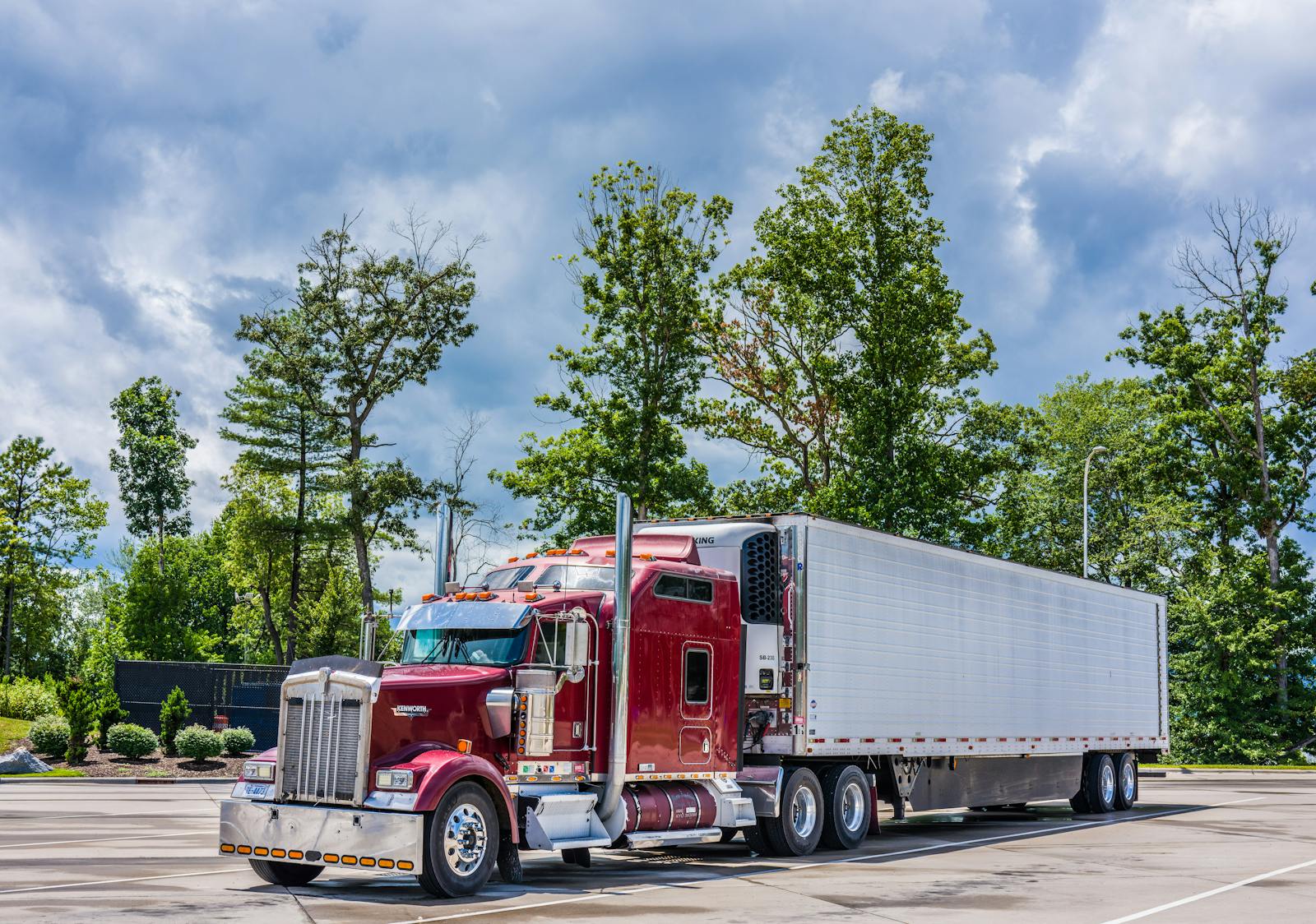

It started the way a lot of workplace deals start: in the parking lot, with someone circling another person’s truck like they were inspecting a horse. The guy with the truck had been half-thinking about selling it anyway, mostly because he was tired of the constant little repairs and the monthly insurance bill on something he didn’t drive much outside of work.
His coworker—one of those people who always had a side hustle brewing—kept making comments about it. “Man, that thing’s clean.” “You ever think about getting rid of it?” “I’ve been looking for a truck exactly like that.” It was casual enough that the truck owner didn’t clock it as a serious offer until the coworker finally said, point-blank, that he wanted to buy it.
The only catch came right after: he couldn’t pay all at once. He could do installments. Not a bank loan, not a credit union, not even a formal note—just… paying the guy over time, coworker-to-coworker, like they were splitting the cost of a pizza instead of transferring the title of a vehicle.

The Deal That Felt “Friendly” Until It Wasn’t
The truck owner didn’t love the idea, but the coworker kept selling it as simple and clean. He’d put down a chunk up front, then pay the rest in regular payments, “like a car note, but without the interest.” He talked fast and confident, the way some people do when they’re trying to make a shaky arrangement sound like a favor they’re doing for you.
They went back and forth on the numbers in the break room, over the hum of vending machines and microwaves. The coworker acted like he was doing math in his head, nodding like he was being generous, and eventually they landed on a price that seemed fair. The truck owner made one thing clear: he wasn’t handing over the keys unless there was at least a meaningful down payment, and he expected the rest on a schedule.
That was the first moment the coworker’s vibe shifted. Not angry, exactly—more like mildly wounded, as if asking for structure implied you didn’t trust him. But he still agreed, flashed that “we’re good” smile, and said he’d bring cash the next day.
Handing Over the Truck, Handing Over the Leverage
The down payment did show up, which gave the whole thing just enough legitimacy to feel safe. It wasn’t the full amount, but it was substantial enough that the truck owner thought, okay, maybe this is fine. They did the title transfer, because the coworker wanted to get insurance set up and start driving it immediately, and because the truck owner didn’t want any liability if the guy got into an accident.
In hindsight, that was where the power shifted. Once the title was in the coworker’s name and the truck was in his driveway, the payments weren’t connected to anything concrete anymore. The only enforcement mechanism left was awkward conversations at work and the hope that embarrassment would do what contracts do.
The first installment came right on time. The coworker even made a little show of it, sliding the money over like he was proving a point. “See? Told you I’d handle it,” he said, loud enough that another coworker looked up from their lunch.
The Slow Fade: “I Got You” Becomes “I’m Busy”
The second payment was late, but only by a few days. The coworker had a story ready: unexpected bills, a family thing, his bank app acting up. He said it all with a laugh, like the truck owner was being uptight for noticing at all.
Then the third payment got weird. Instead of bringing it to him, the coworker started dodging—leaving for lunch early, “forgetting” his wallet, suddenly wearing headphones whenever he walked through the shop. When the truck owner finally cornered him near the time clock, the coworker sighed dramatically and said, “Bro, relax. You’re gonna get it.”
That “relax” was where irritation turned into something sharper. The truck owner wasn’t nagging about a favor; he was asking for money he was owed. But the coworker spoke like the truck owner was harassing him over a personal loan, not following up on a vehicle sale the coworker had initiated.
And it didn’t help that the truck was still showing up every day—parked right where the truck owner could see it, freshly washed sometimes, with a couple of new accessories that suggested the coworker was spending money on everything except the payments. The truck owner started noticing little details the way you notice them when you’re mad: the new tires, the upgraded stereo, the way the coworker would rev it a little when he pulled in.
The Ask That Sparked the Offense
Eventually, the truck owner did what people do when they’re trying to keep things civil: he put it in a message. Not a novel, just a straightforward, “Hey, can you send the payment today? We’re behind and I need to know when you’ll have the rest.” He even included the remaining balance, like maybe the coworker had mentally filed it under “vague future problem.”
The response didn’t come for hours. Then it arrived with a tone that made it clear the coworker didn’t see himself as behind on anything. He said he was “doing his best,” that work had been rough, and that it was “messed up” to act like he was trying to screw him.
At work the next day, instead of just paying, the coworker went straight for indignation. He approached the truck owner like he’d been personally insulted. “So you think I’m a thief now?” he asked, loud and tight-lipped, pulling other people’s attention into it on purpose.
The truck owner tried to keep his voice low and steady, which only made the coworker seem louder. He said he didn’t think the coworker was a thief; he just wanted the money they agreed on. That’s when the coworker hit him with the line that made the whole situation flip from awkward to surreal: “I already paid you. You’re acting like I didn’t give you anything.”
Which was true, in the same way it’s true you “already ate” if you had two fries and promised to pay for the meal later. The down payment existed, yes. But it wasn’t the price of the truck, and they both knew it.
The Workplace Turns Into a Stage
After that, the coworker started behaving like the victim in a feud he didn’t start. He got cold, then performatively friendly, then cold again. He’d make little comments within earshot—stuff about how “money changes people” or how you can’t trust anyone.
The truck owner, meanwhile, was doing that miserable mental math everyone does when they realize they’ve been too accommodating. If he pushed harder, he risked a blowup at work and possibly retaliation. If he let it slide, he was effectively discounting his truck out of fear of confrontation.
He considered going to a supervisor, but the idea felt humiliating: “Hey, I made a handshake deal in the parking lot and now it’s awkward.” Plus, the coworker had already started laying groundwork, framing the truck owner as impatient and accusatory. Even neutral coworkers began treating the situation like “drama,” which is a great way to make the person asking for what they’re owed feel like the problem.
And the coworker’s logic kept warping. When the truck owner brought up the original payment schedule, the coworker acted like the schedule was a suggestion, not an agreement. When the truck owner mentioned the remaining balance, the coworker acted like the down payment should’ve bought him silence until he felt like paying again.
The most maddening part was how personally offended the coworker seemed by basic accountability. He wasn’t just avoiding payment; he was demanding emotional absolution for avoiding it. Every attempt to talk numbers turned into a conversation about trust, friendship, stress, and how the truck owner was “making it weird.”
By the time the next payment date rolled around, the truck owner wasn’t even sure what he was waiting for: money, an apology, or just proof that the coworker lived in the same reality where buying something means paying for it. The truck was still in the lot every morning, still his old vehicle, just not his anymore, and the remaining balance hung between them like exhaust—impossible to ignore, impossible to breathe around.
What made it stick wasn’t just the money. It was the coworker’s insistence that being asked to finish paying was an insult, like the truck owner had broken some unspoken rule by treating a “friendly” deal like a real one. And there’s no neat resolution to that kind of conflict, because even if the money eventually shows up, the weirdest part doesn’t go away: the feeling of watching someone take something from you, then act wounded when you expect the transaction to mean what it meant five minutes ago.
More from Steel Horse Rides: