

He’d been in the neighborhood long enough to know the routine: the lawns had to look like golf greens, trash cans couldn’t “linger” in view after pickup, and nobody was supposed to make the street look “commercial.” It was the kind of HOA where the rules lived in people’s heads as much as they lived in the binder, enforced by whoever happened to be bored that week.
So when the letter showed up about his work truck, it didn’t exactly surprise him. What surprised him was the confidence of it—like they’d caught him running an illegal scrapyard, not parking a plain, company-issued pickup in his own driveway. The note was polite in that HOA way, with bolded words like “violation,” “compliance,” and a deadline that somehow felt like a threat even though it was printed in Times New Roman.
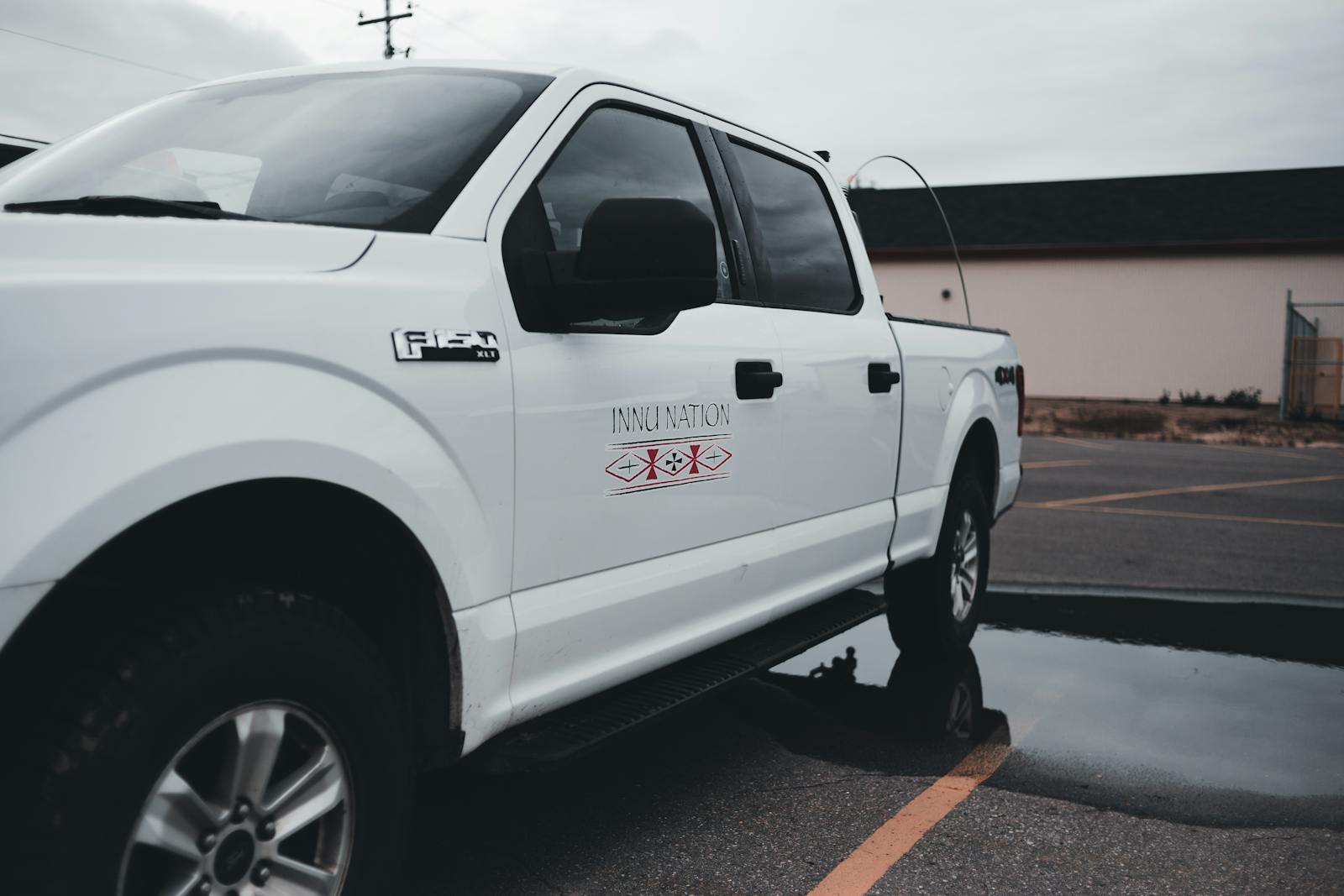
He read it twice, then stood at the window looking at the truck. White, clean, small logo on the door, no ladders hanging off the back, no hazardous materials, no beeping when it reversed. Meanwhile, two houses down, his neighbor’s backyard sounded like a metal concert most afternoons, and nobody on the board seemed to hear a thing.
The Work Truck “Problem” Appears
The guy—let’s call him Mark—worked maintenance for a utility contractor, the kind of job where you don’t get to pick the vehicle. The truck came home with him because his first stop in the morning could be anywhere, and the company didn’t want everyone driving to a yard at 5 a.m. just to pick up keys and a clipboard.
The HOA’s complaint wasn’t that the truck was blocking anything or leaking oil. Their issue was that it was “a commercial vehicle,” which in their mind meant it belonged behind a gate, out of sight, somewhere that didn’t offend the neighborhood’s vibe. The letter included the fine schedule too, which always feels like someone included a menu just in case you were curious how expensive it was to exist wrong.
Mark did what people do when they’re trying to be reasonable with an unreasonable system: he replied, politely, with details. It was under a certain weight, it wasn’t wrapped in advertising, it wasn’t used for side jobs, and it was basically indistinguishable from half the pickups already parked on the street. He even pointed out that another homeowner had an F-250 with a lift kit and aggressive decals that screamed “off-road hobby,” and nobody called that commercial.
The Backyard That Sounds Like a Factory
Part of what made Mark’s patience snap was that he wasn’t imagining the double standard. A neighbor—let’s call him Todd—had turned his backyard into what Mark described as a full-on chop shop, except it wasn’t hidden and it wasn’t quiet. It was the kind of setup you notice even if you’re not looking for it: constant clanking, grinding noises, and the occasional sharp, angry whine of power tools.
Mark had seen cars come in on trailers and leave looking… different. Not “freshly restored classic car” different, but “that’s a different color door than the rest of the vehicle, and the bumper looks like it came from another decade” different. Some days there were two or three vehicles crammed behind the fence line, with tarps half-covering them like the guy couldn’t decide if he wanted privacy or just ran out of tarp.
The smell was the part that made it hard to ignore. Gasoline, paint, and something burnt that didn’t smell like charcoal. Mark said it drifted over on warm afternoons, mixing with everyone else’s barbecue smoke and turning the whole block into a weird automotive cookout.
HOA Enforcement, Selectively Applied
When Mark brought up Todd’s backyard operation, he expected at least a “we’ll look into it.” Instead, he got the HOA version of a shrug: they hadn’t received “official complaints,” they hadn’t “observed” anything from the street, and besides, they were “currently addressing” Mark’s issue. It was like telling someone their kitchen is on fire and being reminded that their porch light is too bright.
Mark tried the obvious next step—documenting. He took photos from his own yard where it was clearly visible over the fence line, captured audio of the grinder noise, and wrote down times and dates like he was building a case. He wasn’t proud of it, but the HOA had turned his driveway into a courtroom, so he started acting like a person gathering evidence.
The board didn’t appreciate the comparison. The next letter he got felt colder, more formal, and slightly more petty, as if someone had decided his tone needed correcting. It reiterated the truck rule, mentioned that continued noncompliance could lead to “additional action,” and offered a hearing date where he could “present his case,” which sounded less like an invitation and more like a summons.
The Hearing That Turns Into a Power Play
At the hearing, Mark showed up expecting at least a conversation. What he walked into was a vibe: a folding table, a handful of board members, and that one person who clearly loved the word “bylaws” the way other people love true crime podcasts. They weren’t yelling, but they had the calm, practiced tone of people who’d decided they were right before anyone sat down.
Mark explained the basics again. The truck was his assigned vehicle, it was not oversized, and he wasn’t using it for a business he ran from home. He asked them to point to the specific section that classified it as forbidden, because the rule language was vague enough that it could apply to almost anything with a logo, including the landscaping company trucks that had been in and out of the neighborhood for years.
One board member kept circling back to “appearance” and “property values,” which is HOA shorthand for “it bothers me.” Another suggested he park it in his garage, as if garages are magical voids and not places already full of storage, bikes, and the normal chaos of having a family. Mark said he’d be happy to comply if they could show him the rule and apply it consistently, and that’s when the room got tense in that quiet way—like someone had just implied the emperor might be naked.
Then he mentioned Todd again. Not dramatically, just as a straightforward example: if they cared about the neighborhood looking “residential,” why was the guy running a rotating inventory of half-disassembled vehicles in the backyard getting a free pass? He didn’t even accuse Todd of anything illegal; he just described what was plainly visible and audible from multiple yards.
Neighbors Pick Sides, and Todd Notices
After that, the neighborhood got weird. Mark could feel the social temperature shift, that subtle suburban thing where people suddenly have to decide whether to wave or stare at their phone as they pass. A couple of neighbors quietly told him they agreed with him, but their voices dropped when they said it, like the HOA had ears in the hedges.
Todd, unsurprisingly, didn’t love being the example in Mark’s argument. He didn’t confront Mark in a cinematic driveway showdown or anything, but the tension bled through in small ways. The grinder ran later than usual one night, and when Mark looked over the fence line, he swore the tarp coverage had changed—higher, tighter, like Todd had decided to build a more deliberate wall between his operation and the rest of the block.
The HOA started doing more “drive-throughs,” which is what they call it when someone on the board slowly cruises the neighborhood like they’re patrolling for contraband. Mark noticed more violation stickers on random things: a basketball hoop too close to the curb, a boat cover not “neat,” a fence panel that needed paint. It felt less like community standards and more like retaliation spreading outward, the way control issues do when they’re challenged.
Mark’s truck fines didn’t go away, but the board also didn’t seem eager to take the next big step, like towing or legal action. They kept it in that limbo space where the penalties accrue and the homeowner stays stressed, hoping you’ll eventually give up and solve the problem for them. Mark considered paying just to end the headache, then got stubborn again, because the principle started to feel personal.
What stuck with him most wasn’t even the money. It was the way the HOA treated visibility like morality: the truck in a driveway was a sin because everyone could see it, while the backyard chop shop got to exist behind a fence like it was somehow less real. The last thing he heard, the board was “reviewing” the rule language and Todd was “being monitored,” which is the kind of vague promise that usually means nothing changes until someone’s lawyer forces it to.
And that’s where the whole thing sat—Mark staring at his perfectly ordinary truck like it was a target, and Todd’s backyard continuing to hum and clank behind the fence line, just out of the HOA’s convenient line of sight. The neighborhood kept mowing and waving and pretending not to notice, but the tension was baked in now. Every time that truck pulled into the driveway, it wasn’t just a vehicle anymore; it was a reminder that in that community, the rules weren’t about order so much as who the board felt like pushing around that month.
More from Steel Horse Rides: