
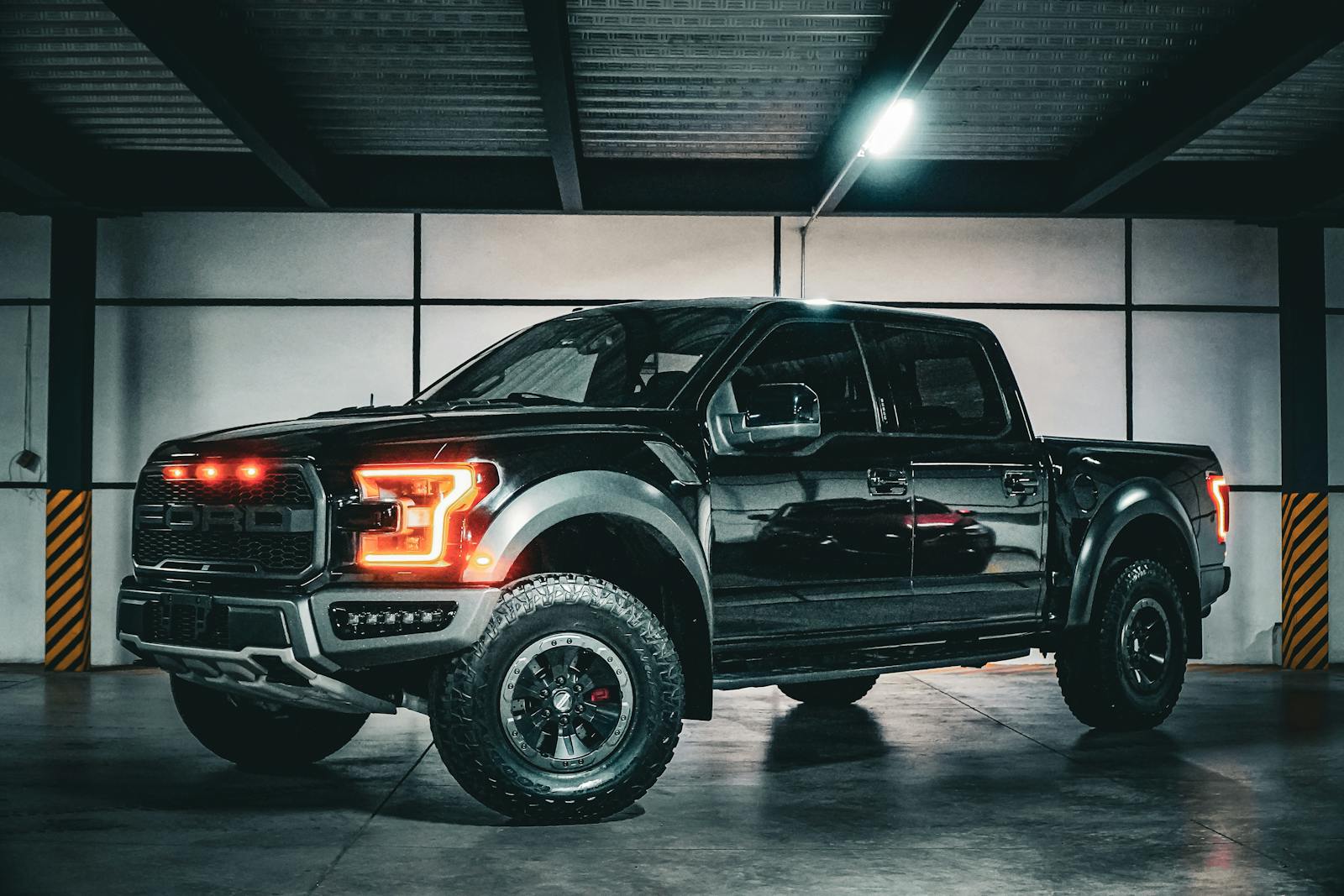

It started as one of those boring, adult errands you do on a Tuesday and immediately forget about. The guy—mid-30s, steady job, the type who keeps receipts in a glovebox folder—dropped his truck off at a local mechanic because it had been making a sharp whining noise whenever he accelerated. Nothing dramatic, just that creeping feeling that if he ignored it, the truck would turn into a very expensive lawn ornament.
The shop was a small independent place, not a dealership, not a chain. He’d used them once before for brakes and it was fine, so this time he didn’t think twice. The mechanic on duty told him it would take a couple hours to diagnose, maybe longer if they had to pull something apart, and suggested he head home and wait for a call.
A couple hours later, he got that call—but it wasn’t the usual “here’s what’s wrong and here’s what it costs.” The mechanic sounded casual, almost breezy, and said they needed to take the truck out for a “quick test drive” to confirm the issue under load. The guy said sure, because that’s normal, and that should’ve been the end of it.
The “Quick Test Drive” That Wouldn’t End
Time passed in that weird way it does when you’re waiting for your vehicle. You’re trying to act productive, but you keep checking your phone because the second you can pick it up, your whole day opens back up. By late afternoon, he still hadn’t heard anything, so he called the shop.
No answer. He figured they were busy, so he called again half an hour later and got voicemail. When the shop finally picked up, the person who answered wasn’t the same mechanic and sounded confused, like they were flipping through a mental file cabinet that didn’t have his name in it.
They said something like, “Yeah, it’s being test-driven,” but it came out hesitant, not matter-of-fact. The guy asked how long a test drive takes, and the shop’s voice went even flatter: “It shouldn’t be too long.” That’s when the errand stopped feeling boring and started feeling wrong.
By early evening, he was annoyed but still trying to be reasonable. He wasn’t accusing anyone of stealing his truck; he was just trying to get a straight answer about where it was and when it would be back on the lot. He texted the number that had called him, and the response he got was a quick, vague “still checking it.”
The Photo From the Bar Parking Lot
Then came the message that changed the temperature. A friend of his—someone who knew the truck on sight because it was hard to miss—sent him a photo. It showed his truck parked outside a bar on the other side of town, under one of those bright, unforgiving parking lot lights that make everything look slightly guilty.
The friend wasn’t trying to stir drama; the text was more like, “Uh… is this your truck?” That’s what made it hit harder. The guy zoomed in and checked everything people check when they’re hoping it’s a coincidence: the wheels, the little scratch on the bumper, the sticker in the rear window.
It was his. Not “looks like it could be.” His truck, sitting outside a bar on a night when it was supposed to be in a mechanic’s bay getting diagnosed.
He didn’t immediately jump to the wildest conclusion. He considered that maybe the mechanic lived nearby and stopped for a soda, or maybe the “test drive” route looped past that area. But a bar at night isn’t a route. It’s a destination.
Calling the Shop, Calling the Mechanic, Getting Nothing
He called the shop again, and once more, nobody picked up. He called the mechanic’s number directly, and it rang long enough to feel like a decision was being made on the other end before it went to voicemail. He left a message that was controlled but sharp, the kind that’s clearly trying not to become evidence of you losing it.
At this point, he was doing that thing people do when they’re angry but also slightly embarrassed to be angry. Like he worried he’d storm down there and it’d turn out to be a misunderstanding, and he’d look like a paranoid maniac in a parking lot. But he also had that physical tension of being separated from something expensive and necessary, with no real control over it.
He asked his friend if they were still there. The friend said the truck was still parked, and yes, it looked like someone had been in it recently because the hood was still warm to the touch. That detail is what snapped the situation into focus—because a “test drive” that ends with your truck cooling off outside a bar isn’t a test drive anymore.
So the guy did the most predictable thing in the world: he drove to the bar. Not to start a fight, he told himself. Just to see. Just to confirm what he already knew.
The Awkward Confrontation in Real Time
He found it immediately. His truck was parked at an angle like whoever parked it didn’t care much about the lines, which made him even angrier in a quiet, petty way. Inside, the place had that low music and sticky-floor vibe, and he stood there scanning faces like he was looking for a missing dog.
He spotted the mechanic—same shirt, same build—sitting with a couple people, a beer in front of him. The mechanic looked up and saw him, and for a second there was this frozen pause where both of them realized the story had officially left the “phone call confusion” stage.
The guy didn’t yell. He walked over and asked, flat out, why his truck was outside and why the mechanic was drinking when he’d said he was “test driving” it. The mechanic immediately started talking fast, claiming he’d just stopped for “a minute,” that it was “after hours,” that he was “still working,” that he “needed to feel the transmission after it warmed up.”
None of it landed. The truck hadn’t been returned. Nobody had said it was going off-site. And “a quick test drive” doesn’t include ordering a beer and settling in. The mechanic tried to laugh it off, like it was a misunderstanding and the guy was being uptight, which somehow made it worse than if he’d just admitted he screwed up.
The guy asked for his keys. The mechanic hesitated—just long enough to make it a power struggle—then fished them out like it was an inconvenience. He also said something about how the truck was “acting up,” as if that explained why it ended up parked outside a bar like a regular customer’s vehicle.
The Fallout: Trust, Liability, and a Truck That Doesn’t Feel the Same
He drove the truck home, but it didn’t feel like getting his property back. It felt like recovering something that had been handled carelessly. He noticed the seat was pushed back farther than he leaves it, and there was a faint smell inside that wasn’t there before—beer or cologne or both, he couldn’t even tell, just something чужd in a space that’s usually yours.
When he checked the dash, the mileage was higher than it should’ve been for any sane “test drive.” Not a mile or two. Enough that you could picture a whole evening’s worth of errands and detours. And once you notice that, you start noticing everything else: the fuel level lower than when he dropped it off, the faint dust on the floor mat that looked like someone’s boots had been there.
The next morning, he called the shop owner. Not the mechanic—someone who actually has skin in the business. The owner went into damage-control mode quickly: apologetic, surprised, saying it “shouldn’t have happened,” promising to “look into it.” But the apology had that careful shape of someone who’s trying to be sorry without admitting anything too specific.
The guy asked the obvious questions: Was the mechanic allowed to take customer vehicles off-site? Was the shop insured for that? What happens if the mechanic had gotten into an accident? What if someone else had driven it? The owner didn’t give clean answers, just a lot of “we take this seriously” and “we’ll make it right,” which is exactly what people say when they don’t want to say what the policy actually is.
He considered filing a police report, then hesitated. On paper, the mechanic did have the keys with permission to drive it—just not permission to use it like a personal vehicle for the night. That gray area is infuriating because it makes you feel unreasonable for being furious, even when you’re obviously being treated like a fool.
He also had to decide what “making it right” would even look like. A discount? Free labor? An apology from a guy who already tried to laugh his way out of it? The bigger issue was that the truck still needed repairs, and now he didn’t trust the people who had their hands in it.
In the end, the most unsettling part wasn’t the bar or even the beer. It was how quickly a normal, boring service visit turned into a situation where he had to play detective just to keep his own vehicle from becoming someone else’s ride for the evening—and how, once that boundary gets crossed, there isn’t a clean way to uncross it.
More from Steel Horse Rides: