

It started with the tiniest, dumbest detail: he stopped letting his wife ride in his car.
Not in a dramatic, “we’re fighting and you’re not welcome” way. More like, “Oh, I’ll just run to the store real quick,” or “I’m heading to meet the guys, don’t worry about it,” and then he’d be gone for a few hours with no real explanation that made sense. The car was his pride and joy, a project that had always been a little louder, a little smellier, and a little more expensive than he admitted out loud.
She noticed the pattern because that’s what you do when you live with someone. And once she noticed it, every little thing around it started looking like a clue he didn’t want her to see.
The little oddities that didn’t add up
He’d always been a car guy, but lately he was a car guy with secrets. Receipts stopped showing up in the shared inbox. Packages came addressed to him only, and he’d intercept them like they were classified documents, whisking boxes into the garage and shutting the door with his hip.
He also started taking calls outside. Not long romantic whispers—more like quick, low conversations that ended with, “Yeah, I’ll bring it by,” or “No, she can’t know yet.” The words weren’t incriminating on their own, but in a marriage, tone does half the talking.
Then there was the money. Their finances weren’t dire, but they were the kind of couple who talked about big purchases. A new appliance, a trip, even a pricey tool—usually he’d float it, gauge her reaction, negotiate his way toward a yes.
How “car stuff” started looking like an affair
The wife’s suspicion didn’t come from one smoking gun; it came from the slow drip of weirdness. He’d come home showered when he hadn’t been to the gym. He’d have that buzzy, distracted energy people get when they’re keeping a second story in their head.
And there was the new obsession with his phone. If she walked into a room, he’d angle the screen away like it was a reflex. He started sleeping with it on the nightstand, face down, on vibrate, the universal posture of “I have nothing to hide.”
She asked him, directly, one night while they were cleaning up after dinner. “Is there something going on?” she said, in that careful voice people use when they don’t want to set off a bomb. He gave her the wounded look—how dare you even ask—and said no, it was just car stuff, he was stressed, work was annoying, end of conversation.
But “car stuff” can cover a lot, and “stressed” can cover even more. She didn’t buy it, not fully, and he could tell she didn’t buy it, which somehow made him double down on being evasive.
The garage became a second life
That’s when the garage time really ramped up. He’d vanish out there after dinner with a beer and a headlamp like he was heading into a mine. If she opened the side door, he’d slide in front of whatever he was working on and start talking too fast about nothing, like a human screen saver.
He also got strangely territorial about the car itself. If she offered to run an errand, he’d insist on taking her car instead. If she mentioned the car sounded different—because it did—he’d shrug and claim it was “just an exhaust leak” or “a tune thing” she wouldn’t understand anyway.
In reality, the car was in pieces more often than it was in one piece. He was coordinating with a performance shop across town, booking time when he knew she had a late meeting or a family obligation, timing pickups and drop-offs like he was managing an illicit schedule.
When she asked where he’d been, he’d have answers ready, just not good ones. “Traffic was brutal.” “I had to help a buddy.” “We were just hanging out.” The vagueness was the point: details invite follow-up questions, and he couldn’t afford those.
The confrontation that forced the truth out
The blowup didn’t happen right away. It built until one afternoon when she needed something from the trunk—something mundane, like a folding chair or a bag of tools—and his reaction was instant panic. He told her he’d get it, like the trunk contained live animals.
That was the moment where her suspicion tipped from “maybe” to “okay, what is this.” She pushed past him, popped the trunk, and found… not lingerie or a second phone, but a neat stack of paperwork. Estimates, invoices, a parts list that looked like a foreign language, and a big, clear number at the bottom that made her stomach drop.
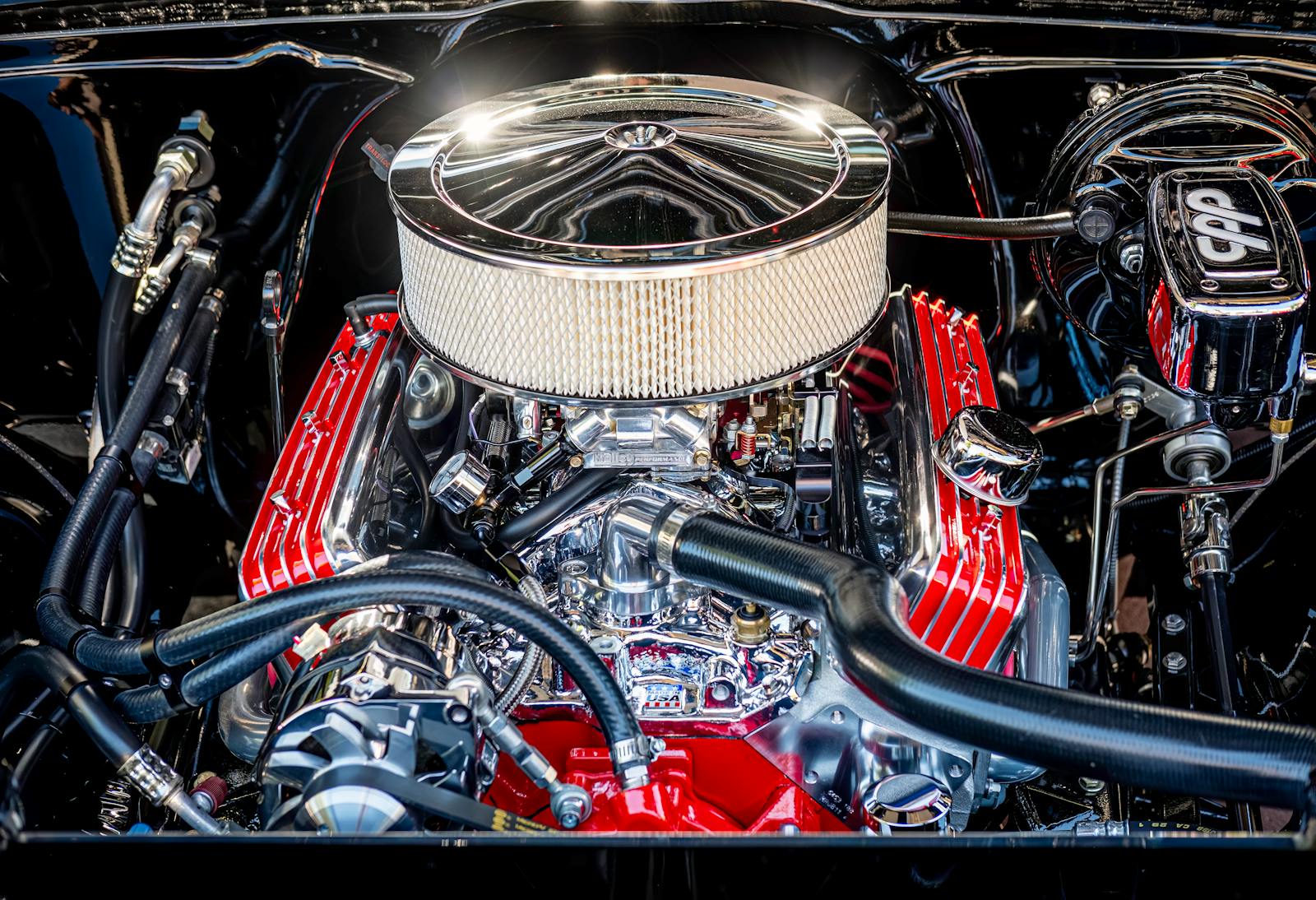
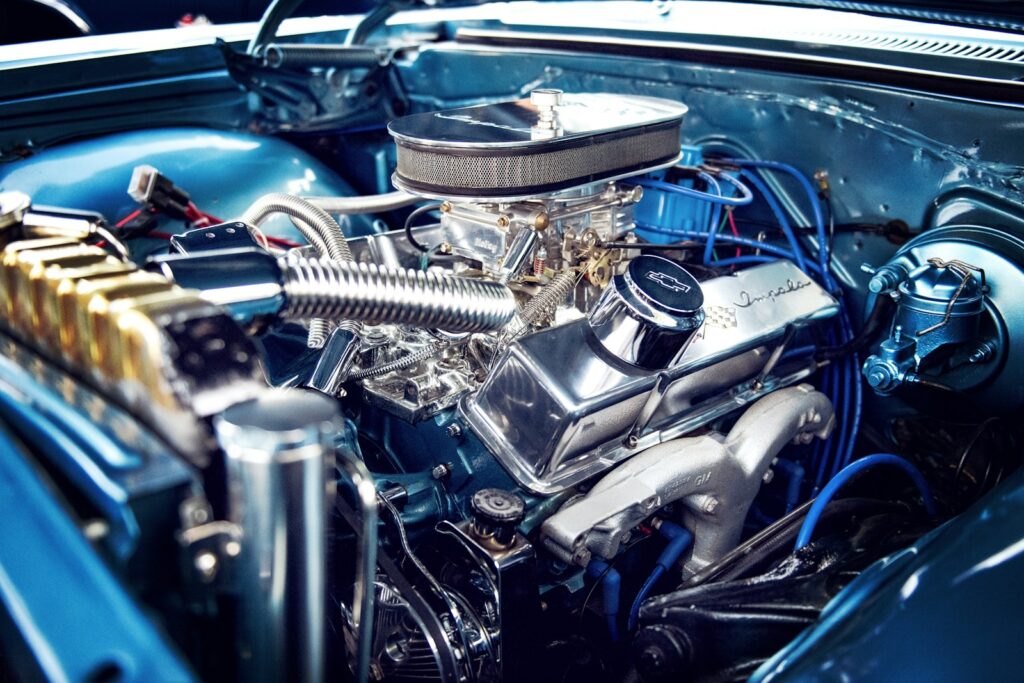
$22,000. Not over time, not across years. A single planned hit, tied to one phrase that anyone can understand: engine swap.
She didn’t even start with yelling. She just stared at the page and then at him, like she was trying to decide which reality she was in. “You thought hiding twenty-two thousand dollars was better than talking to me?” she asked, quiet enough that it was somehow worse.
He did what people do when they’ve been caught in a lie that no longer fits in their mouth. He confessed, fast. No affair. No other woman. Just an engine he’d been dreaming about, a build he’d convinced himself would “add value,” a project he was sure she’d never approve.
Why he hid it, and why that didn’t help
His explanation was painfully familiar: he knew she’d say no. They had other priorities—home repairs, savings, adult stuff that doesn’t come with horsepower. He’d asked for smaller car expenses before and gotten the tight-lipped, practical response that made him feel like a teenager asking for something irresponsible.
So he treated it like a forbidden indulgence. He told himself he’d pay it back, that it would be fine, that once it was done she’d see how happy it made him and the fight would fade. In his head, the secrecy wasn’t betrayal; it was strategy.
But to her, it wasn’t about engines. It was about the shape of the deception. The sneaking, the deflection, the way he made her feel paranoid for picking up on behaviors that were actually suspicious—because he was actively acting like someone with a secret life.
She told him that straight out. Not as a speech, but as a blunt, exhausted statement: she’d spent weeks wondering if she was being cheated on, questioning her gut, replaying little moments in her head. And while he was out playing cat-and-mouse with his own marriage, she was quietly bracing for the kind of heartbreak people don’t recover from quickly.
He tried to pivot to the absurdity of it—“You thought I was cheating, but it was just car parts”—like the punchline would soften the mess. It didn’t. If anything, it made her angrier, because it framed her fear as funny when it had been real.
The fallout wasn’t about the car anymore
The immediate fight was chaotic in that domestic way: raised voices, pacing, her reading numbers off the invoice like they were charges in court. He kept trying to explain the difference between labor and parts, the rarity of the engine, how the shop had a window and he needed to move fast. Every detail sounded like an excuse for why she didn’t matter.
She wanted to know where the money came from and what else he’d moved around to make it happen. He admitted he’d used a mix of savings and a credit line he hadn’t mentioned, assuming he could “handle it” before she noticed. That word—handle—landed badly, because it implied he was the only adult in the room managing anything.
He also had to confront the cruelest irony of his plan: the secrecy that was supposed to avoid a fight had created a bigger one. By trying to dodge a “no,” he’d manufactured a completely different kind of crisis—one where the question wasn’t “Can we afford this?” but “Can I trust you?”
And trust is harder to rebuild than a car. You can’t torque it down and call it done.
By the end, the engine swap was still looming like a physical object neither of them wanted to look at: a half-finished transformation in the garage and a financial commitment that didn’t disappear just because the truth was out. She wasn’t packing bags in a movie-scene way, but she also wasn’t calming down, because the scary part wasn’t the money—it was how easily he’d watched her doubt herself while he played innocent. He got his confession out, but he didn’t get the relief he expected, and now they were stuck in that tense, fragile space where the biggest question wasn’t what’s under the hood, but what else he might decide she “can’t know yet.”
More from Steel Horse Rides: