

The mechanic was halfway through his first coffee when the tow truck rolled in with a late-model pickup that looked like it had been built by someone who watched too many midnight “diesel beast” videos. It had the aggressive tires, the smoked lights, the lift kit that made the frame sit up like a barstool, and a faint burnt-sweet smell that didn’t belong anywhere near a stock exhaust. The driver hopped down like he’d been practicing the move, already talking fast, already mad at the world.
He wasn’t there for an oil change or a squeaky belt. The truck had died hard on the highway—limp mode, warning lights, the whole dashboard turning into a Christmas display—and then refused to restart after a short coast to the shoulder. The customer kept repeating one thing like it would make it true: it’s under warranty, so they just need to “get it fixed.”
The mechanic listened, nodded, and did the usual intake questions, but the guy’s tone kept sliding toward accusation. He had that brittle confidence of someone who’d decided he was getting ripped off before anyone even touched a tool. When the mechanic asked if anything had been modified, the customer gave him a quick, offended look and said, “No. It’s basically stock.”

The intake conversation that already felt like a fight
At the counter, the customer acted like every question was a trap. When asked about maintenance, he said he “does it all himself” and didn’t need a shop to tell him how to care for his truck. When asked about where it was fueled last, he shrugged and said, “Diesel is diesel,” like that ended the discussion.
The mechanic did what he always does with that kind of energy: stay polite, stick to process, document everything. He wrote down the symptoms, noted the mileage, and asked for permission to diagnose before any major work. The customer agreed, but only after adding, “And don’t try to upsell me. It’s warranty.”
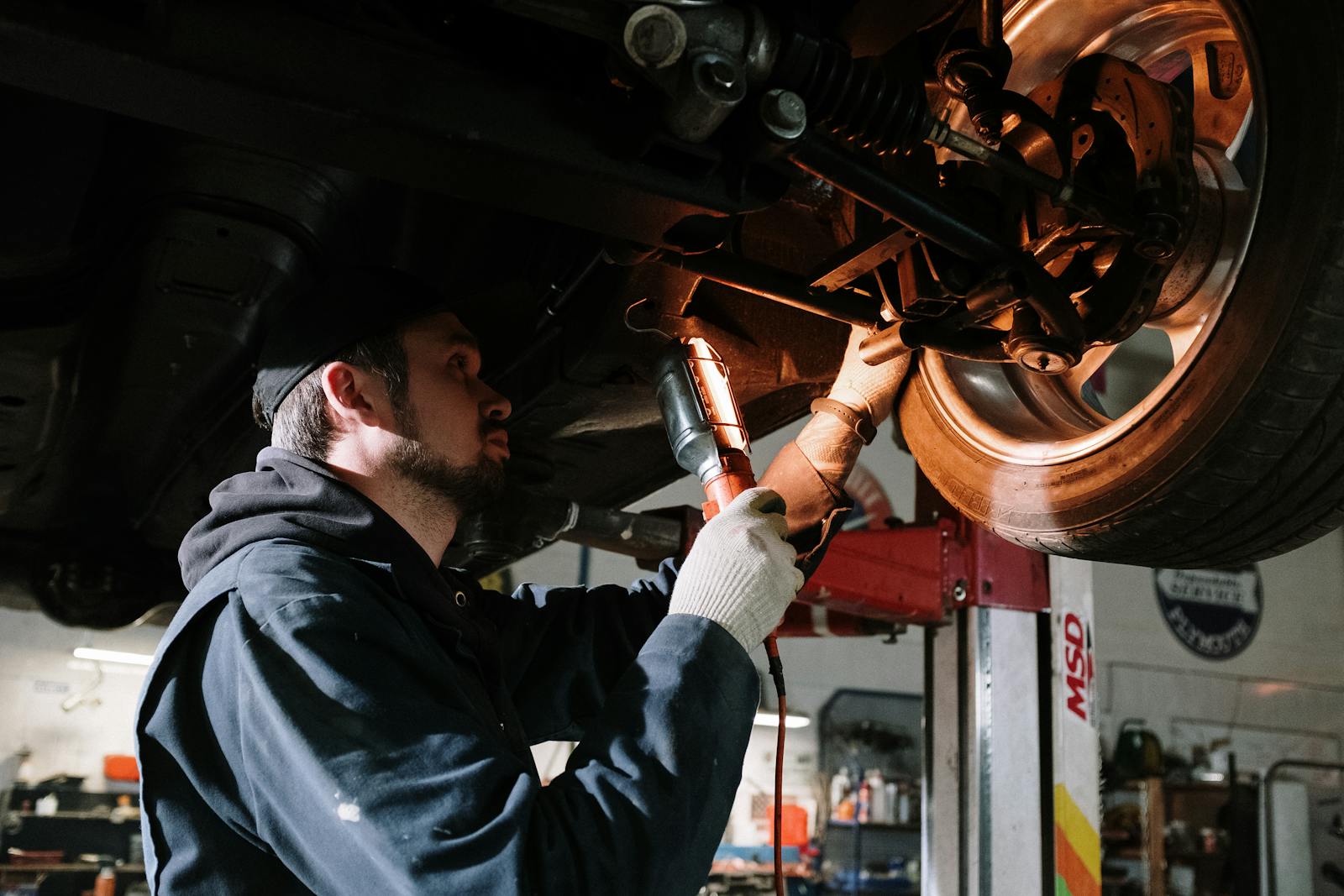
In the bay, the techs popped the hood and immediately found the first clue that “basically stock” was doing a lot of heavy lifting. There was an aftermarket intake that didn’t line up cleanly, clamps that looked reused, and hoses that had been routed like someone got impatient and just made it work. The truck wasn’t a total hack job, but it had that unmistakable vibe of “installed in a driveway with a beer.”
The mechanic pulled the scanner data and got a stack of codes that didn’t match a simple sensor failure. There were indicators of overboost and soot-related issues that suggested the emissions system wasn’t happy—like, at all. The kind of problems that can be expensive even before the real culprit shows up.
Diagnosis turns into a list of “how did this happen?”
Once they started digging, the story got messier. The exhaust configuration didn’t look factory, and there were signs certain components had been removed or altered and then “put back” in a hurry. The mechanic noticed fresh tool marks where there shouldn’t have been any, and a couple of fasteners that were suspiciously shiny compared to everything else.
Then they found the tuning device. It wasn’t sitting out like a trophy, but it also wasn’t hidden well—tucked near the glove box with the kind of casual stealth that only fools the person doing it. The mechanic didn’t even have to plug it in to know what it meant: the truck’s computer had been altered, and that changes everything about how a warranty claim gets handled.
He still didn’t jump straight to “warranty void.” Shops that do warranty work know how quickly that phrase turns a customer into a courtroom fantasy. He just kept documenting, kept taking photos, kept saving the diagnostic logs. If there was going to be an argument, it was going to be an argument with receipts.
By lunchtime, the team had a better picture. The engine wasn’t just “acting up”; it had likely been pushed beyond factory parameters, and the failure path looked like it matched that abuse. The mechanic knew the next conversation at the counter was going to be ugly, because the customer walked in expecting a free fix and a complimentary apology.
The estimate lands, and so does the threat
When the customer came back, he did that thing where he talks before he’s even fully in the room. “So what’s the deal? You got it fixed?” he asked, leaning on the counter like he owned it. The mechanic slid the printout across, not dramatic, just firm.
The number wasn’t small. It covered diagnostics, a significant repair, and a couple of related components that had been stressed in the failure. The mechanic explained the findings in plain language and carefully avoided loaded words, but the customer latched onto one idea: they were refusing warranty.
“That’s not your call,” the customer snapped, loud enough that the waiting area went quiet in that way people do when they sense a scene. He jabbed at the estimate with a finger and asked if the shop was “trying to scam” him. Then he said it—the line that always comes out when someone wants to feel powerful: he’d sue.
The mechanic didn’t argue. He just asked one more time if there were any modifications, any tuning, any emissions changes, anything at all that might affect coverage. The customer’s face did that quick flicker between anger and calculation, and he doubled down: “No. Like I said, it’s stock.”
The warranty rep call that changes the customer’s posture
This is where the mechanic did something that sounds boring but makes or breaks these situations: he called the warranty provider with the customer standing right there. He described the codes, the physical evidence, and the presence of a tuner, and he offered to send photos and logs. The customer kept cutting in—“That’s not mine,” “That was there when I bought it,” “You don’t know what you’re looking at”—but the mechanic didn’t take the bait.
The warranty rep asked a few pointed questions: had the ECU been modified, were emissions components intact, were there signs of non-factory tuning. The mechanic answered calmly, and each answer seemed to peel a layer of swagger off the customer. The rep didn’t sound angry; they sounded like someone who’s heard this exact story a thousand times.
Then came the part the customer didn’t expect: the rep asked for the VIN and pulled the service history. According to their records, the truck had been flagged at a prior visit for non-OEM calibration. Not this shop—some other dealership or warranty inspection had noted it, which meant the warranty file was already carrying a quiet warning label.
The mechanic watched the customer’s jaw tighten as the rep explained what that meant. A powertrain warranty doesn’t exist in a vacuum; it’s tied to the vehicle being operated within designed specs. If the computer’s been tuned or emissions equipment altered, the provider can deny the claim—not as punishment, but because the baseline assumptions of coverage have been blown up.
The “it’s not my fault” spiral and the shop’s line in the sand
The customer tried a new angle immediately. He said he bought the truck used and didn’t know about any tuning. He said the tuner must belong to the previous owner, like the device had wandered in on its own and settled there. Then he swung back to blaming the shop, suggesting they were inventing excuses to charge him.
The mechanic asked a simple question: if it was truly unknown, why did the customer deny mods twice? Why the “basically stock” performance at drop-off? The customer’s answer was a tight, irritated shrug, the kind people do when they don’t want to admit they got caught in a lie but also don’t want to fully commit to a new story.
It got quieter after that, but not calmer. The customer started nitpicking line items on the estimate, picking fights over shop labor rates, demanding they waive diagnostic time since “you didn’t fix anything.” The mechanic explained that diagnosis is work, and they’d already spent hours tracing the failure and documenting what they found.
The shop offered options, but none of them were what the customer wanted. He could pay for the repair as quoted, tow it somewhere else, or authorize a deeper teardown that might reveal more damage and, yes, potentially more cost. The customer kept returning to the idea of a lawsuit, but it sounded thinner now, like a threat he was repeating because he didn’t know what else to do.
Finally, the mechanic drew the boundary: no one was stopping him from calling an attorney, but the shop wasn’t releasing the truck without settling the diagnostic bill, and they weren’t going to falsify anything for warranty. The customer stared at the counter for a long moment, jaw working, doing the math of pride versus money. When he spoke again, it wasn’t a threat—it was a question about payment methods.
He paid, but he didn’t look like someone who’d accepted it. He looked like someone filing the moment away to argue about later, possibly with the next shop, possibly with a friend who’d tell him he got robbed, possibly with the warranty company again when he had time to rehearse a better version of the story. As the tow truck hooked up, the mechanic watched him stand there with his arms crossed, staring at his lifted, “basically stock” pickup like it had betrayed him—like the sketchy mods were something that happened to him, not something he chose.
More from Steel Horse Rides: