

He wasn’t even mad about the accident anymore. The wreck itself had been annoying, sure—one of those low-speed hits that still manages to crumple a fender and make the front end look like it’s squinting—but it was over fast. Everyone exchanged insurance info, everyone acted polite, and he drove home in that rattly, embarrassed silence you get when your car is technically “fine” but also obviously not.
The real frustration didn’t show up until weeks later, when his car came back from the body shop looking, at first glance, like nothing happened. The paint matched, the panel gaps looked decent, and the shop manager did that confident walk-around like he’d just restored a classic. He signed the paperwork, paid his deductible, and shoved the thick invoice packet into his glove box without reading it too closely because who wants to spend their evening studying line items like “R&I molding” and “blend adjacent panel.”
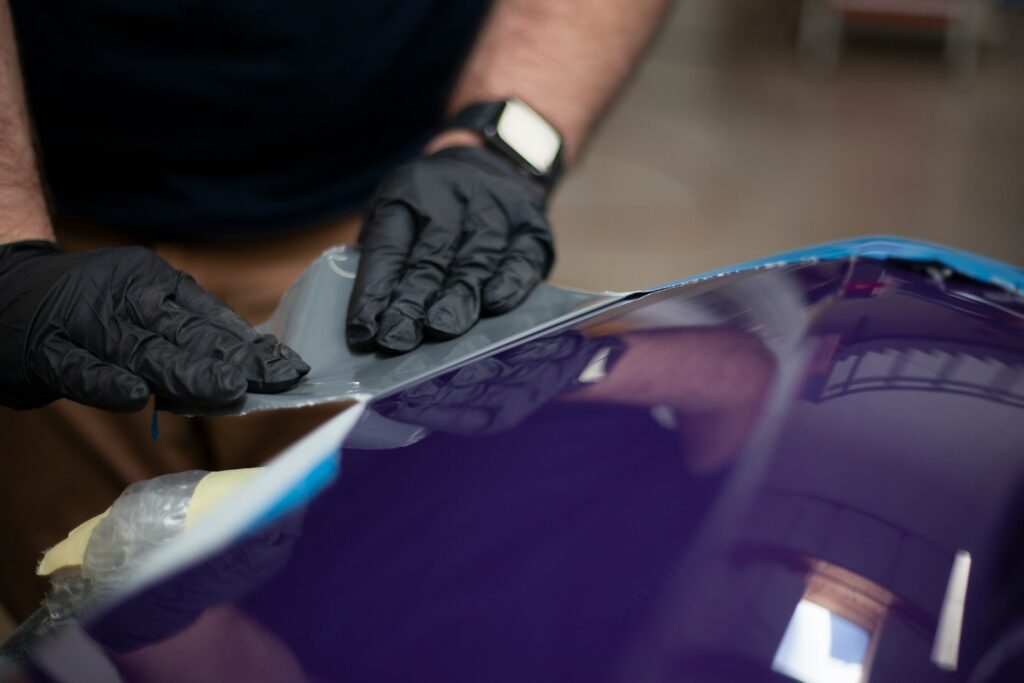
Then, maybe a month after that, he noticed the first little flake. Not a chip from road debris—an actual sliver of paint lifting near the edge of the bumper, like a sticker corner that won’t stay down. He pressed it with his thumb and felt that tiny give that makes your stomach drop, because you know you’re about to discover something that’ll take time, money, and emotional energy you don’t have.
The Invoice That Looked Legit (Until It Didn’t)
Once the peeling started, he did what most people do when something starts going wrong: he went hunting for paperwork. The glove box had the invoice from the shop, stapled into a small novel, with the kinds of details that are supposed to reassure you. One section listed parts—manufacturer parts, specifically—with brand-name pricing that made his eyes widen all over again.
There were multiple lines that said OEM, the exact acronym shops love because it sounds like “factory correct” without needing to explain anything. An OEM bumper cover. OEM clips and brackets. OEM absorber. It was all itemized like the shop had raided the manufacturer’s warehouse personally and then charged him for the privilege.
It bugged him because he remembered the shop manager casually dropping phrases like “we only use manufacturer parts” and “your insurance will prefer that,” said with the tone of someone doing you a favor. He hadn’t fought for it; he’d just nodded like, okay, good, spend the insurance money, fix the car right. Now he stared at the invoice, thinking about that corner of paint lifting like sunburn, and wondered what “right” meant in their vocabulary.
The First Return Trip: The Shop’s Vibes Get Weird
He brought the car back and tried to keep it simple. The paint is peeling. Here’s where. It shouldn’t do that. The guy at the front desk didn’t look shocked so much as irritated, like this was a problem he’d already decided wasn’t going to be his.
They poked around the bumper, muttering shop talk—something about adhesion, something about prep—and then landed on the kind of explanation that sounds technical enough to end a conversation. Road chemicals. Harsh weather. Maybe the car was washed too soon. The customer heard it all and kept thinking: it’s been normal weather, and he wasn’t power-washing the thing like it owed him money.
The awkward moment came when he asked, casually, if the bumper was definitely the manufacturer part they billed for. Not accusatory, not yet—just checking. The manager’s face shifted in a way that’s hard to describe if you haven’t seen it, that half-second pause where someone decides what version of the truth they’re going to give you.
The manager assured him it was all according to the estimate and told him to leave the car for a day so they could “take a closer look.” When he asked for something in writing about the peeling, the manager gave him the classic slow blink and a “we’ll take care of it,” like written records were some rude request from a paranoid person.
Peeling Turns Into a Pattern
They repainted the section, at least that’s what they claimed, and sent him off again with that same brisk confidence. For a couple weeks, it looked okay. Then the paint started lifting in another spot, farther along the edge, and once he saw it the second time, he couldn’t unsee the rest.
He started noticing tiny things he hadn’t clocked before. The bumper didn’t sit quite right at one corner, the gap a little wider than on the other side. A fog light trim piece looked slightly off-color in certain lighting, like it had a different texture under the paint. The more he stared, the more the car looked like a good impersonation instead of the original.
At that point, he wasn’t just annoyed—he felt stupid. Not because he caused the accident, but because he’d trusted a shop that talked smoothly and printed a professional-looking invoice. It’s a specific kind of anger when you realize you might’ve been played while you were trying to be responsible.
So he did what people do when they’ve lost faith: he went somewhere else. No dramatic announcement, no threats. He just booked an appointment at another body shop across town, the kind with older guys behind the counter who don’t bother pretending they’re customer-service professionals.
The Second Shop Doesn’t Even Have to Guess
The second shop took one look and immediately started asking questions the first shop never did. Who did the work? Did they give you a parts list? Any warranty paperwork? They didn’t say “wow” out loud, but the quiet they got after looking at the bumper said plenty.
One of the techs crouched near the front end and ran his finger along the underside edge where you wouldn’t normally look. He pointed out little signs—mold marks, a stamping pattern, something about how the plastic felt—that apparently screamed “aftermarket.” Then he went a step further and found a small label inside the bumper area that wasn’t a manufacturer label at all.
He told him, pretty plainly, that the bumper cover didn’t look like an OEM part. Not only that, but some of the brackets and clips were the cheap universal kind that shops keep in bulk. The paint issue, he explained, could come from a few things—bad prep, contamination, rushed curing—but it also didn’t help when parts don’t fit quite right and the edges flex more than they should.
The customer sat there holding his original invoice like it was suddenly written in another language. He’d been charged premium manufacturer pricing, and now a completely different shop was telling him the car was wearing bargain parts under fresh paint. Not “maybe.” Not “hard to say.” More like, “I see this all the time.”
The Confrontation Becomes About More Than Paint
He called the original shop and asked for a meeting, bringing the second shop’s notes and photos. This time he wasn’t trying to be chill. He wanted the parts numbers, receipts, proof of what they installed, and an explanation for why his invoice said OEM when multiple pieces apparently weren’t.
The shop manager didn’t blow up; he did something almost worse. He stayed calm and vaguely offended, like the customer was accusing him of a moral failure instead of asking about a financial discrepancy. He said things like “we use OEM-equivalent” and “sometimes manufacturers backorder parts” and “insurance won’t always approve OEM,” even though the invoice had already approved it in ink.
When the customer pointed to the line items—OEM, OEM, OEM—the manager started shifting the argument to semantics. OEM-equivalent is “basically the same.” Aftermarket can be “better sometimes.” The paint failure could be unrelated. The conversation kept sliding away from the only thing that mattered: if you billed for manufacturer parts, where were they?
The manager offered to “look into it” and suggested the customer bring the car back again so they could “make it right.” But now the offer felt less like help and more like control, like they wanted the car in their hands so they could manage what evidence existed. The customer asked for copies of the parts orders and was told that would take time, that those records were “in the system,” that the office manager who handles that “isn’t in today.”
So the customer left, again, with nothing but a promise and that creeping sense that the whole thing would turn into a slow-motion fight. The paint wasn’t the only problem anymore. Now it was about being charged hundreds, maybe thousands, for something he didn’t get—and having to prove it against people who do this for a living.
And that’s the part that stuck with him most: the weird limbo where the car looks fine from ten feet away, but every time he walks up close he sees the edges lifting and the gaps that don’t line up, like the car is quietly telling him what happened. He’s got an invoice that says “manufacturer,” a bumper that says otherwise, and a shop that suddenly can’t produce straightforward answers—just enough soft talk to keep him chasing paperwork while the paint keeps curling up at the corners.
More from Steel Horse Rides: