
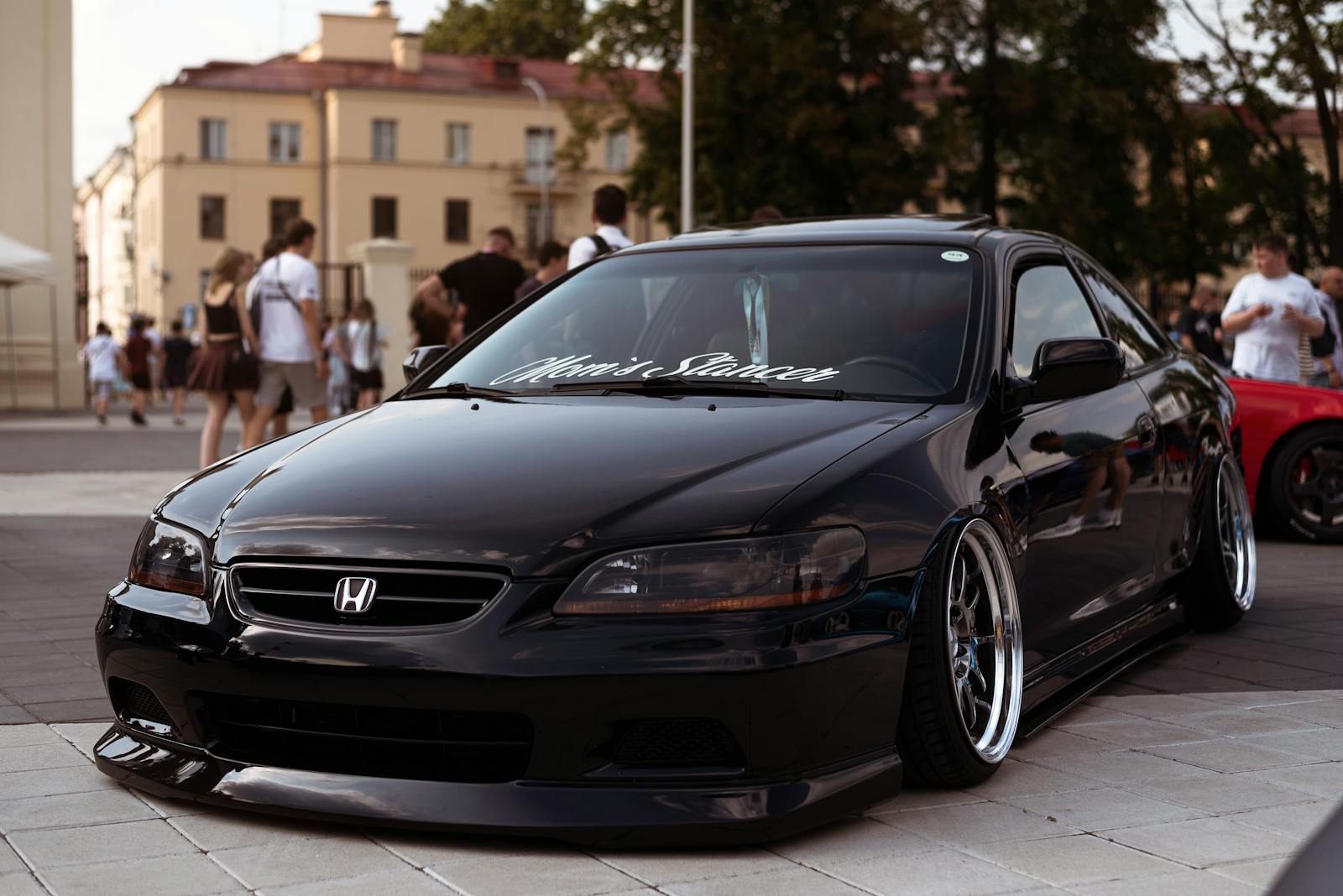

She’d been perfectly happy with her car, which was the first thing that made the whole situation feel surreal. It was a slightly older Honda—clean, paid off, boring in the way that made her life easier. It started every morning, the air worked, and the worst surprise it ever delivered was the occasional reminder light that meant, “Hey, schedule an oil change.”
Her boyfriend, though, had gotten it into his head that the Honda was “beneath her.” Not in a sweet, supportive way—more like it offended him aesthetically. He’d make little comments when they went out: how it didn’t “match her,” how she deserved something “nicer,” how it was embarrassing to pull up somewhere decent in “that thing.” She’d laugh it off at first, because who gets personally insulted by a dependable car?
The problem was he didn’t treat it like a preference. He treated it like a fixable flaw, and he kept pushing until “upgrade” stopped sounding like a suggestion and started sounding like a project he’d already decided to complete.
The Honda Was Reliable, Which Apparently Wasn’t the Point
She wasn’t a car person. She knew what she needed: safe, reliable, low maintenance, and not an annoying monthly payment. Her Honda checked every box, and she liked the quiet pride of owning something that didn’t drain her bank account just to impress strangers at stoplights.
He, on the other hand, was deeply invested in the vibes of her life. He’d show her listings for luxury cars the way some people show you vacation rentals—casually, like it’s just fun to imagine. Except he wasn’t imagining; he was evaluating, comparing, bookmarking, talking about leather packages and trim levels like he was building her a new identity.
When she’d point out that her Honda ran fine, he’d do that maddening thing where he agreed while still dismissing her. “Yeah, it runs, but you could be driving something you actually feel good in.” Then he’d add, “I just want better for you,” like her car choice was proof she didn’t value herself enough.
Eventually the argument shifted from “do you want a new car” to “why won’t you let me help you.” That’s where it got sticky, because now it wasn’t about transportation. Now it was about him framing her resistance as stubbornness, like she was refusing a gift out of pride.
He Pushed the Sale Like It Was Urgent
He started timing it. “Used car prices are high right now,” he told her, pushing the idea that she’d be stupid not to sell while the market was hot. He offered to handle the posting, the messages, the meetups—everything that would make it feel less like a decision and more like letting him take over a chore.
She hesitated, which only made him push harder. He’d point out tiny cosmetic flaws on the Honda like they were symptoms of decay. A scratch on a door. A small dent she’d stopped noticing years ago. “You’re one breakdown away from being stranded,” he said, even though she’d never been stranded by it once.
The part that made her finally cave wasn’t logic; it was exhaustion. Every time she drove, he had something to say. Every time they parked, he’d look around like he was embarrassed. After enough months of that, “fine, whatever” can feel like peace, even when it’s surrender.
So she let him list it. She watched her own car get photographed like a product she didn’t recognize. When it sold quickly, he acted triumphant, like he’d rescued her from a bad situation instead of pressuring her into one.
The BMW Showed Up Like a Trophy
He didn’t replace it with something sensible in a newer package. He “upgraded” her into a BMW that looked great in pictures and sounded impressive when he said the name out loud. It wasn’t new; it was the kind of used luxury car that exists in that dangerous zone where the price looks almost reasonable and the repairs absolutely do not.
He sold it like a dream. “It’s a BMW,” he kept saying, like that phrase alone meant reliable engineering and effortless prestige. He talked about how people would treat her differently, how she’d feel more confident, how this was what she should’ve been driving all along.
She asked practical questions—mileage, maintenance records, why it was priced like that—and he brushed past them with the confidence of someone who’d already decided he was right. He insisted it had been “well taken care of” and assured her he knew what to look for. When she suggested a mechanic inspection, he acted offended, like she was accusing him of not knowing cars.
The purchase happened fast. Too fast. One day she had her Honda, the next she was signing papers for a car she hadn’t even wanted, staring at a dashboard that looked like an airplane cockpit, trying to convince herself that maybe this would be fine.
The “Upgrade” Started Charging Her Immediately
The first week was little stuff: warning lights that blinked and vanished, a weird hesitation when accelerating, a faint smell she couldn’t place. Her boyfriend dismissed everything with a breezy, “That’s just how German cars are,” as if unpredictability was part of the luxury experience.
Then the check engine light came on and stayed on. She told him, and he told her not to worry, but he also didn’t offer to take it in. When she finally brought it to a shop herself, she came back with an estimate that made her stomach drop.
It wasn’t one repair; it was a list. A sensor issue that might be a simple fix or might be the start of a cascading electrical problem. An oil leak that had been “seeping” long enough to stain components. Brakes that were worn unevenly. Tires that looked fine until someone who actually knew what they were looking at pointed out the dry rot starting to spider across the sidewalls.
She showed him the paperwork, expecting him to at least share the panic, since this whole thing had been his idea. He didn’t. He got irritated, like the car’s problems were an inconvenience to his narrative.
He Wanted the Status, She Got the Bills
That’s when the real fight started: not about the BMW, but about who was responsible for the mistake. She said she never wanted it, that she’d been pressured, that she’d given up a perfectly good car because he wouldn’t stop. He responded with a mix of denial and defensiveness, insisting she’d agreed, insisting she’d been excited, insisting she was rewriting history because she didn’t want to deal with maintenance.
She asked the obvious question—if he was so sure, why didn’t he help pay for the repairs? He froze, then pivoted into a speech about how he couldn’t be expected to cover her car expenses. The words “your responsibility” showed up a lot, which was wild considering he’d treated the whole purchase like a personal mission.
When she suggested selling the BMW and getting another Honda or Toyota—something simple, something she could actually afford to keep running—he reacted like she’d proposed moving into a cardboard box. He said she’d be “downgrading” and that it would be embarrassing. Embarrassing to whom was never clear, but she could feel it: embarrassing to him.
Now she was stuck doing mental math every day. Do I fix this first, or that? Can I drive it another week? What happens if something major fails and I have to miss work? Meanwhile, he kept acting like the problem was her attitude, like she was making it stressful by not enjoying the “nice car” he’d gotten her.
The worst part wasn’t even the money; it was the way it changed how she saw him. He’d been so certain, so loud, so insistent—right up until there were consequences. Once the consequences showed up, he stopped being the guy who “wanted better for her” and became the guy who wanted her to quietly absorb the cost of his ego.
She didn’t know what was more humiliating: the BMW sitting in the driveway with a warning light glowing like a taunt, or the memory of her Honda driving away with a stranger because she’d let someone else decide what her life should look like. And every time her boyfriend brought up “image” or called it an “upgrade,” she could feel the same thought hardening in her chest—if he cares more about how her car reflects on him than whether she can afford to keep it running, what else is he going to “upgrade” in her life next?
More from Steel Horse Rides: