
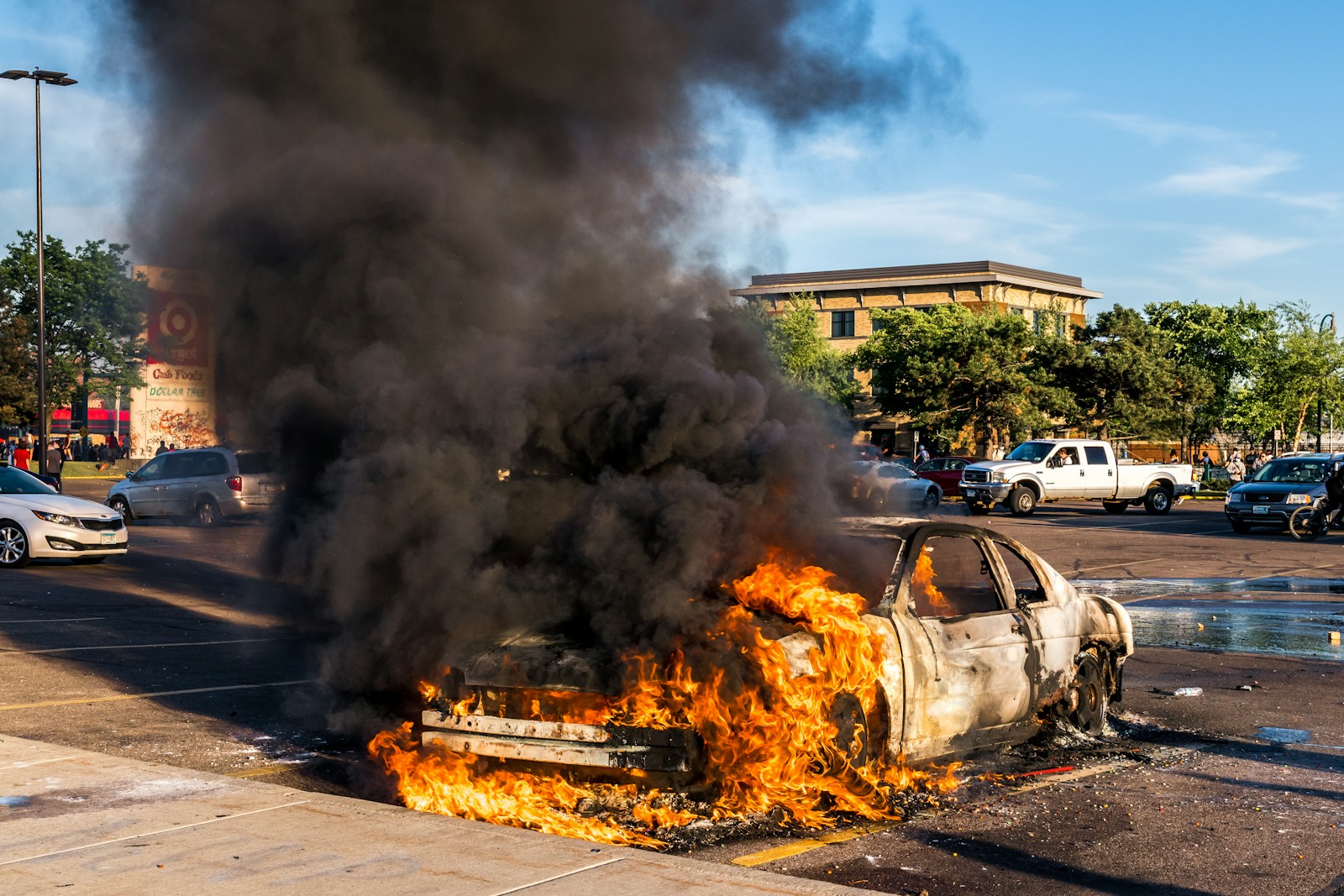

By the time Marissa admitted it out loud to anyone, she’d already spent a week doing that half-laugh people do when they don’t want to sound dramatic. “My car smells like gas,” she’d say, like it was a quirky inconvenience, like maybe she’d spilled something in the trunk and her brain was being weird about it. Then she’d get in, turn the key, and the smell would hit her again—sharp, sweet, unmistakable—like she’d parked inside a lawnmower shed.
It wasn’t constant, which made it easier for everyone around her to shrug off. Some days she’d notice it the second she opened the door, other days it would creep in after she’d been driving ten minutes with the heat on. The car never threw a warning light, never sputtered, never did anything dramatic. It just smelled like a problem nobody could see.
She tried to do everything “right,” which is part of what made the whole thing so infuriating. She wasn’t a car person, but she wasn’t clueless either. She checked the gas cap, stopped topping off the tank, switched stations, cleaned out the floor mats, even googled “why does my car smell like gasoline but no leak” at 1 a.m. until her eyes felt gritty.
“It’s probably just fumes”
The first person she told was her boyfriend, Evan, because he was the closest available adult with opinions. He did the classic walk-around, sniffed the air like a bloodhound for three seconds, and pronounced it fine. “I don’t smell anything,” he said, already sliding into the driver’s seat like that settled it.
Marissa insisted he take it for a spin with the windows up, because that’s when it seemed to get worse. Ten minutes later he came back and admitted, grudgingly, that okay, maybe there was a faint gas smell. But he immediately followed it with, “Cars do that sometimes,” in the same tone people say “everyone’s tired” when someone’s describing symptoms of something real.
At work, she mentioned it to a coworker in the parking lot while they were walking in together. The coworker’s face pinched up, she said “yikes,” and then asked if Marissa was sure it wasn’t just the smell from the station clinging to her clothes. Another coworker suggested it could be “winter blend gas” like that explained why it was strongest when the fan was blowing right into her face.
The pattern was always the same: a quick sniff, a quick dismissal, and then somebody changing the subject. Marissa started adding qualifiers to make herself sound less “extra.” She’d say it smelled “a little” like gas, or “kind of” like gas, like the smell was negotiable. Meanwhile, she started rolling down the windows even when it was cold, because she didn’t want to sit in it.
The first mechanic and the subtle eye-roll
She finally booked an appointment at a local shop, the kind with a waiting area that smelled like burnt coffee and tire rubber. She explained the smell to the guy at the counter, trying to be clear without sounding panicked. He nodded, typed her info, and asked if any lights were on.
When she said no, his whole posture shifted into “this is going to be nothing.” They kept the car for a couple hours, called her back, and told her they couldn’t find a leak. The tech said her fuel lines “looked fine,” and that sometimes odors can come up through the vents if you’ve been near a spill at a pump.
Marissa asked if they could check the fuel filler neck or the evap system—words she’d learned from the internet at 1 a.m. The guy’s face did that polite blank thing, like she’d just asked him to check the flux capacitor. He told her, “If it gets worse, bring it back,” and handed her keys like he was doing her a favor by letting her leave.
She drove home with the heat off and the vents closed. Halfway there, the smell came back anyway, slipping in around the edges like smoke. She pulled into her driveway and just sat in the car for a minute, staring at the steering wheel, trying to decide if she was going to be one of those people who “overreacts” or one of those people who ends up on the evening news.
Little warning signs nobody wanted to connect
Over the next few days, other tiny things started happening, the kind of stuff that’s easy to brush off if you’re determined to not be a problem. Her fuel gauge dipped faster than she expected, but then she’d second-guess herself—maybe she was just driving more. Once, after parking, she noticed a faint rainbow sheen on a wet patch near the rear of the car, and then told herself it was probably just water reflecting weird.
Evan kept telling her she was stressing herself out and making it worse. He offered to “take a look” again, which meant opening the hood, staring into it like it was a complicated painting, and closing it. When she brought up taking it to a dealership or a second shop, he got annoyed in that specific way people do when they think you’re wasting money to soothe anxiety.
Even Marissa’s mom played it down when she called. “If it was really leaking gas you’d see it,” she said, like gasoline politely announces itself with a puddle and a note. Marissa hung up and felt stupid for a minute, which was apparently the price of trying to be heard.
Still, she started driving like her car was unpredictable. No stopping for extra errands if she didn’t have to. No parking in garages. No sitting in the car on her phone after she arrived somewhere. She kept imagining an invisible thread of fumes trailing behind her and waiting for one spark.
The grocery store lot and the moment it turned real
On a Saturday afternoon, she went to a grocery store across town because she wanted a specific brand of coffee that her usual place didn’t carry. The lot was busy, the kind where you circle and stalk people pushing carts, pretending you’re not. She found a spot far from the entrance and parked next to a sun-faded SUV.
When she stepped out, the smell was stronger than it had ever been outside the car, not just inside the cabin. It was so obvious she actually looked around, expecting to see someone with a gas can. She leaned down and caught the odor coming from under her own rear bumper, hot and chemical, like the car was exhaling it.
She stood there frozen with her keys in her hand, doing the mental math of whether she should still go inside. That’s when she saw a thin shimmer on the asphalt, spreading from under the car in a lazy, dark fan. It wasn’t a huge puddle, but it moved with that oily confidence that made her stomach drop.
Marissa backed away, and right as she did, a wisp of smoke curled up near the back wheel. At first it looked like heat haze, then it thickened into an actual thread of gray. A guy walking by with a cart slowed down, did a double take, and said, “Uh, ma’am?” in a voice that wasn’t casual anymore.
She fumbled for her phone and her hands were shaking so hard she almost dropped it. She didn’t try to be polite this time. She yelled for someone to call 911 while she hit the unlock button like that would help, then realized the only thing she needed to do was get away from the car and stop people from parking near it.
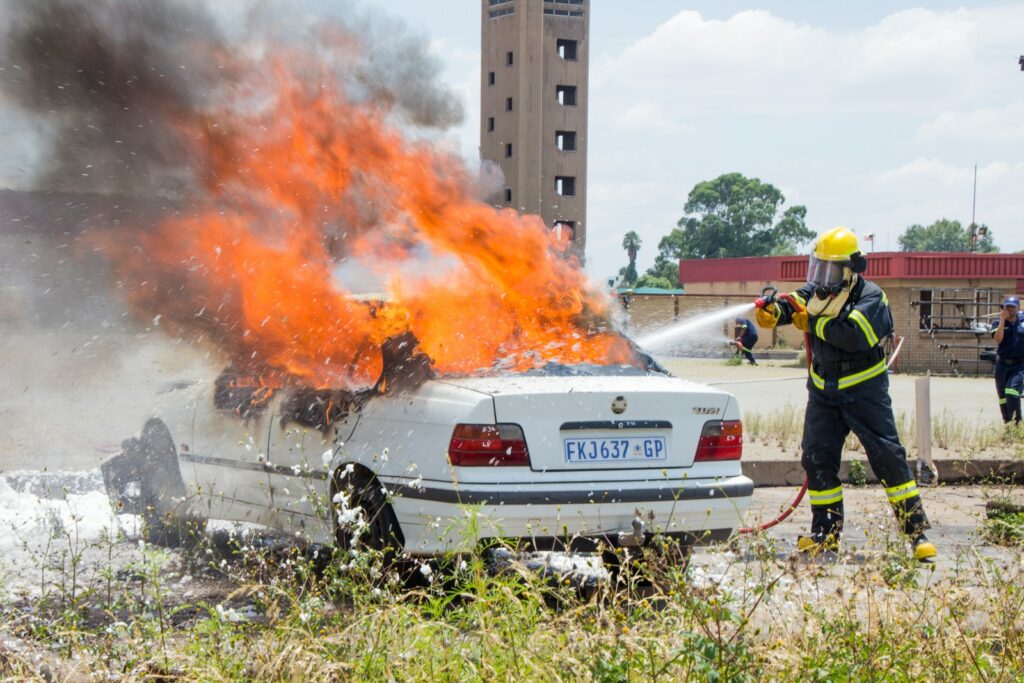
Within minutes—though it felt longer—two store employees came out, one with that wide-eyed look of someone who’s only trained for “spilled milk in aisle five.” Someone else had a fire extinguisher, and they hovered like they were deciding whether getting closer was brave or stupid. The smoke stayed small, but it was there, and the smell was thick enough to make your throat feel coated.
When the first responders arrived, the mood in the lot shifted in a way Marissa wouldn’t forget. Suddenly her “gas smell” wasn’t an anxious person’s complaint. It was a real hazard, with people stepping back and covering their noses, and her car being treated like it could turn into a headline with one wrong move.
Aftermath: the anger, the bills, and the “told you so” that didn’t feel good
The car didn’t fully go up in flames, but it came close enough that Marissa couldn’t stop replaying the moment she saw smoke. The responders had her pop the hood, then had her step back again like she was a bystander at her own disaster. They ended up disconnecting the battery and containing the leak long enough to get it towed without anyone doing something heroic and regrettable.
Later, the actual diagnosis came out in the most maddeningly simple way: a compromised fuel line near the rear, plus a failing component in the evap system that was letting fumes build up. It wasn’t “winter gas.” It wasn’t “just fumes.” It was gasoline where gasoline absolutely shouldn’t be, meeting heat and friction like they were being introduced on purpose.
Evan, to his credit, looked sick when she told him, but he also tried to turn it into a joke—something about her having “a sixth sense.” It landed badly. Marissa wasn’t interested in being a quirky prophet about her own safety; she wanted to know why she had to almost lose a car in a grocery store lot before anyone treated her like she had ears and a nose and a brain.
The shop that cleared her car the first time didn’t exactly apologize, either. They leaned on “couldn’t reproduce the issue” and “intermittent leaks can be tricky,” which is technically true and still felt like a dodge. Marissa kept thinking about the way the counter guy’s expression had changed as soon as she said there were no warning lights, like the car’s computer mattered more than the person sitting inside it breathing fumes.
Now the car was in limbo—repair estimate, towing fees, missed work, the whole cascade—and Marissa was stuck with a weird kind of rage that didn’t have a clean target. Because the scariest part wasn’t that a mechanical thing failed; it’s that she could describe the exact smell of danger for days and get waved off until it finally performed for an audience. And even with the smoke, even with the tow truck, she knew the argument she’d be having for a long time wasn’t about the car at all—it was about what it takes for people to believe her before the proof starts burning.
More from Steel Horse Rides: