

It started the way these things always do: with a small, supposedly harmless assumption that turns into a big, expensive problem. A woman was at home when her son’s girlfriend showed up acting a little too casual, like she’d been there a dozen times and everything in the driveway was hers by proximity.
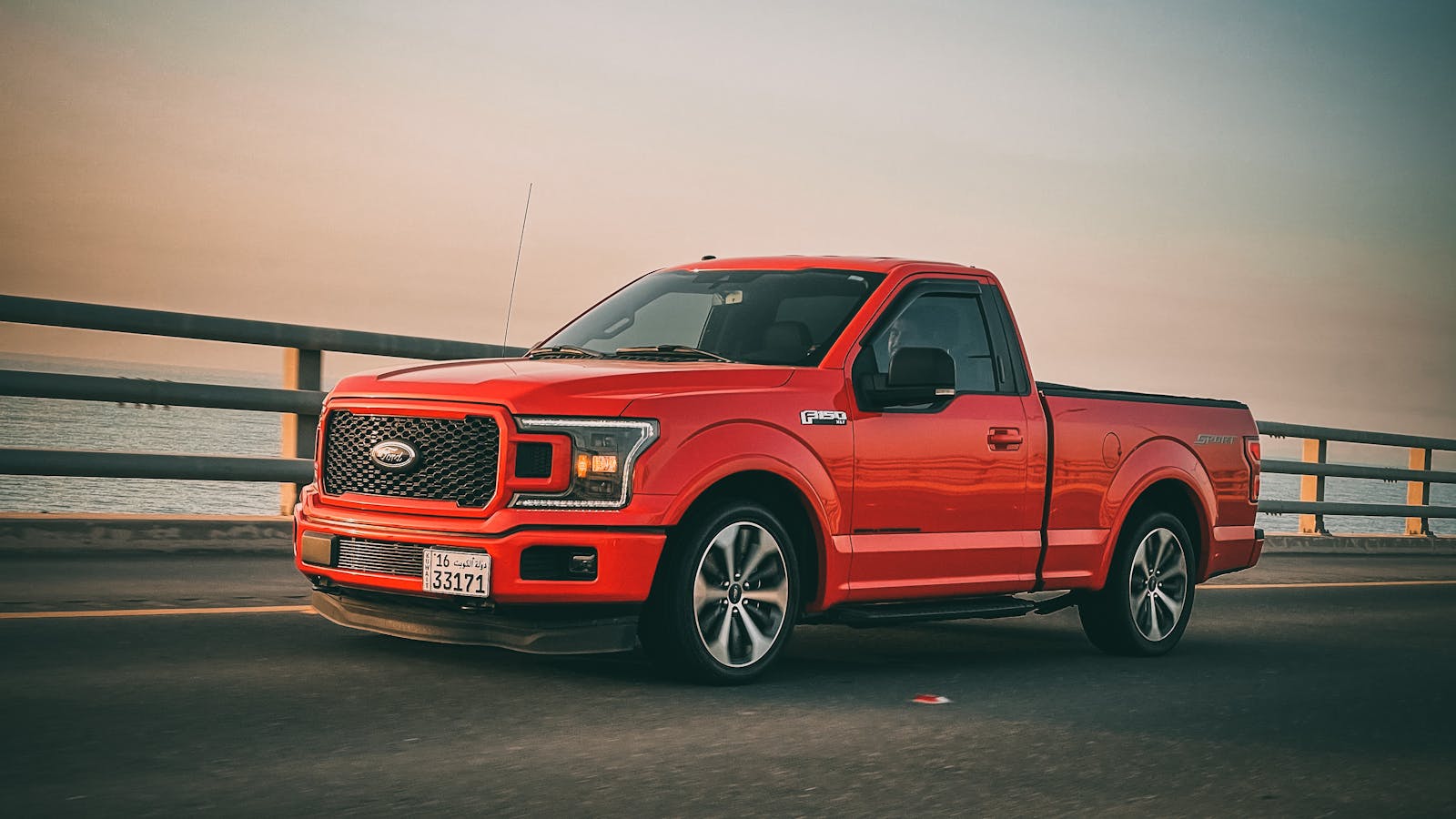
The son wasn’t even around. He was at work, phone on silent, the kind of day where he can’t just duck out and deal with whatever drama is brewing at home. His truck, though, was right there—washed recently, rims clean, parked the way he always parks it like it’s a point of pride.
The girlfriend glanced at the keys spot like she already knew where they’d be. She didn’t announce a plan or ask permission. She just did that quick “I’ll be right back” energy, and before the mom could fully clock what was happening, the girlfriend had the truck door open and was backing out like this was normal.
The “Quick Errand” That Wasn’t Asked For
The mom didn’t chase after her, not at first. She was stuck in that awkward limbo of not wanting to be the overbearing parent but also not loving the vibe of someone helping themselves to her kid’s vehicle without a single word exchanged. She figured maybe her son told her she could use it and forgot to mention it, because couples share stuff sometimes, right?
But the longer the truck stayed gone, the more the whole thing started to itch. This wasn’t a “running to grab coffee” absence. This was the kind of absence that turns your brain into a slideshow of every possible bad outcome, from a traffic ticket to an accident to a “hey, I brought it back with an empty tank and a mystery dent” situation.
When the girlfriend finally rolled back in, she didn’t pull in smoothly. There was a tight, crunchy little sound as she eased up the driveway—subtle enough that you could pretend you didn’t hear it, but sharp enough to make you look up immediately. The mom noticed how the girlfriend parked slightly crooked, like she was trying to end the interaction as quickly as possible.
The First Look at the Damage
At first, it wasn’t obvious. The truck was sitting there, lights off, engine quiet, like it had survived whatever mission it had been sent on. Then the mom walked closer and saw the rims, and her stomach dropped in that very specific way it does when you realize something expensive has been casually harmed.
All four wheels were scraped up. Not a tiny nick on one rim that you could chalk up to “parking happens.” These were fresh curb marks—long, chalky scuffs like someone had introduced each wheel to the sidewalk on purpose.
The mom didn’t even have to be a car person to know it was bad. It was the uniformity of it that made it almost impressive in a terrible way: every single wheel looked like it had been dragged against a curb. It screamed, “I didn’t know how wide this truck was and I panicked four times in a row.”
When she asked the girlfriend what happened, the girlfriend didn’t do the normal thing, which would be to freeze, look guilty, and try to explain. She went straight into defensiveness, like she’d rehearsed the denial in the time it took to turn off the engine.
“It Was Like That Already”
The girlfriend glanced at the rims for half a second and then shrugged. She said, basically, that the wheels looked like that already. Not in a tentative way either—more like she was confused the mom was even bringing it up, as if the mom was inventing damage out of boredom.
The mom, who’d seen the truck earlier that day, didn’t take the bait. She told her, calmly at first, that the rims were fine before the truck left. She even pointed out that her son is the type to clean his truck and notice every scratch, which is exactly why the truck was parked where it was and not on the street.
That’s when the girlfriend tried a second tactic: minimizing. Okay, maybe it wasn’t like that already, but it wasn’t “that bad,” and it “happens to everyone,” and “it’s just wheels.” She was bouncing between denial and dismissal, like if she kept moving fast enough, nobody could pin her down.
The mom could feel her patience thinning. It wasn’t just the rims. It was the audacity of taking something that wasn’t hers, damaging it, and then trying to rewrite reality in real time. The conversation had that brittle quality where every sentence feels like it’s scraping against something sharp.
Waiting for the Son to Get Home
The mom called her son. He didn’t pick up right away, which somehow made the girlfriend bolder. She started acting like the mom was “making a big deal” and that her son “won’t care,” which is the kind of line that can only come from someone who has never paid for tires or seen a repair quote in their life.
When the son finally called back, the mom kept it short: his girlfriend took the truck without asking, and the wheels were curbed—all of them. There was a pause on the line, the kind where you can almost hear someone replaying a mental image of their vehicle and doing quick math. He asked if she was sure, and the mom said she was standing in front of the truck as they spoke.
The son came home irritated in that quiet, focused way that’s worse than yelling. He didn’t storm in making a scene. He walked straight to the truck, crouched by the wheels, and ran his fingers along the scuffed metal like he was confirming a betrayal.
The girlfriend, seeing his face, tried to get ahead of it. She repeated the “it was already like that” line, then softened it into “maybe one was like that,” then tried to laugh like it was all a misunderstanding. The son didn’t laugh back, and the mom watched the girlfriend’s confidence wobble.
The Fight Wasn’t Even About the Wheels Anymore
He asked her, directly, why she took the truck without asking. She said she “didn’t think it mattered,” that she “just needed to do something quick,” and that she “didn’t want to bother him at work.” None of it landed, because none of it explained the part where she chose the truck instead of her own ride, or an actual request, or literally any other option.
The son told her she doesn’t get to decide what “matters” when it’s not her vehicle. That was the first time the mom saw the girlfriend’s expression harden into resentment. She wasn’t just embarrassed—she looked insulted, like being held responsible was disrespectful.
Then came the money question, and the air got heavier. The mom expected a reluctant offer to pay, maybe some bargaining, maybe even a “let me figure out how much it costs.” Instead, the girlfriend started talking about how repairs are “ridiculous” and how “it’s cosmetic” and how she “doesn’t have that kind of money,” like financial inconvenience was supposed to erase the damage.
The son didn’t say he was going to let it slide, but he also didn’t immediately demand cash. He just told her, flatly, that this wasn’t okay and that he needed space. The mom could tell he was trying to keep it from exploding, but also that every calm word was being stacked on top of anger he didn’t want to unleash in front of her.
By the end of the night, nothing was technically resolved. The rims were still scraped, the trust was even more dented, and the girlfriend left with that stiff, offended posture of someone who thinks they’re being treated unfairly. The mom was left watching her son stare at his truck in silence, and the worst part wasn’t the repair bill—it was the uncomfortable realization that the girlfriend hadn’t just made a mistake; she’d tried to make everyone else doubt their own eyes.
More from Steel Horse Rides: