


She thought she was doing everything the “responsible adult” way: not buying some mystery SUV off a stranger, not skipping the paperwork, not ignoring the warning signs. She went to an actual dealership, paid the extra money for the “Certified Pre-Owned” badge, and listened while a salesperson walked her through how thoroughly the vehicle had been checked. The whole pitch was basically: you’re not just buying a used car, you’re buying peace of mind.
So when her brakes failed less than a week later, it didn’t feel like bad luck. It felt personal. Not in a melodramatic way, but in that cold, stomach-drop way where you realize the thing you trusted to keep you safe might’ve been held together by vibes and a sticker.
The SUV was supposed to be her upgrade: something reliable for commuting, errands, and the occasional weekend drive without having to plan her route around “what if the car does something weird.” She’d done the test drive, signed the stack of forms, posed for the obligatory “new car” photo the dealership always pushes, and drove home with that specific kind of relief people get when they think they’ve successfully avoided a future headache.
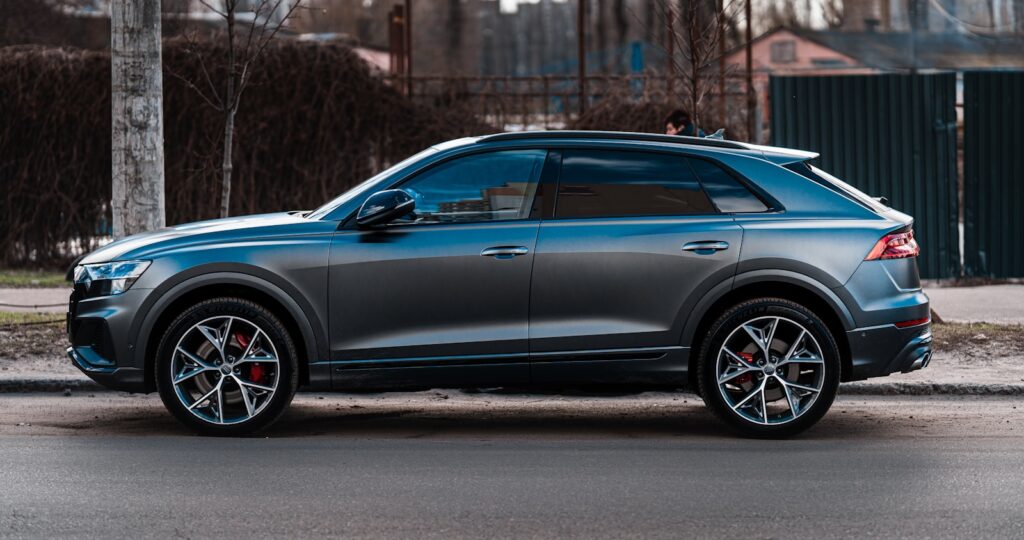
The promise: “It passed inspection, it’s certified, you’re good”
She’d been picky, too. The dealership had a few options in her price range, but she kept circling back to this one SUV because it checked the boxes: mileage wasn’t insane, the interior looked clean, and the listing leaned hard on it being certified. When she asked what “certified” actually meant in practice, the salesperson didn’t hesitate—multi-point inspection, reconditioning, everything brought up to standard, the works.
There was a moment in the conversation where she asked directly about brakes. Not in a paranoid way, just the normal anxiety anyone has after driving an older car that squeals or shakes. He gave her that casual, reassuring answer dealerships are great at: if it’s certified, it’s been inspected; if it needed brakes, they would’ve done them; you don’t have to worry.
She left feeling like she’d paid for the safety net. Not just the warranty language, but the whole idea that the car had already been vetted by someone who knew what they were doing. It wasn’t some gamble; it was supposed to be the safe, boring choice.
The first weird signs she tried to talk herself out of
The first few days were uneventful in the way new purchases are uneventful—she noticed the seat position was slightly annoying, the infotainment system took forever to connect, the gas mileage wasn’t as magical as the brochure implied. Then she started noticing the brake pedal felt… off. Not fully “broken,” but softer than she expected, like it had too much travel before it bit.
She did that thing people do when they don’t want to admit they’re worried: she tested it in different situations. Gentle braking at a light, a harder stop in an empty stretch, a slow roll down a neighborhood street. Each time, it worked, but it didn’t feel crisp, and she caught herself leaving more space between her and the car in front of her without consciously deciding to.
She told herself she was just adjusting to a different vehicle. SUVs feel different than sedans. Maybe it was the tires. Maybe it was her imagination because she’d spent too long reading “used car checklist” posts before buying. She considered calling the dealership, then thought about the hassle and decided she’d bring it up at her first oil change or something, like a person who doesn’t want to be labeled “difficult” five days into ownership.
The brake failure: not a warning light, an actual “oh no” moment
Less than a week after buying it, she was driving in regular traffic—nothing dramatic, no storm, no mountain road, no wild speeding. She went to slow down for a light and felt the pedal sink farther than it had before. She pumped it once, then again, getting that awful delayed response where the car slows, but not like it should.
It’s hard to describe how fast the brain starts doing math in that moment. Distance to the car ahead, shoulder space, whether you can drift into another lane, whether the person behind you is paying attention. She managed to get the SUV stopped without hitting anyone, but she ended up pulled over, heart racing, hands shaky on the steering wheel, sitting there trying to decide if she was about to throw up or cry or both.
She didn’t drive it home. She didn’t drive it “just to the dealership.” She called for help and got it towed, because whatever this was, it wasn’t a “maybe.” It was brakes—one of the few car problems that doesn’t come with a lot of second chances.
The dealership conversation that went sideways fast
When she contacted the dealership, she expected some version of: that’s scary, bring it in, we’ll take care of it. Instead, she got the kind of response that immediately makes you feel like you’re about to have to fight for something that shouldn’t be a fight. The first tone shift was subtle—questions that sounded like they were checking details but felt like they were testing her story.
Had any warning lights come on? Was she sure it wasn’t the “normal feel” of the brakes? Did she drive through water? Did anyone else drive it? It wasn’t that any single question was unreasonable, it was the overall vibe of “prove it” while she was still trying to process the fact that her recently purchased certified SUV had just turned a routine stop into a near-miss.
She mentioned the promise: certified, inspected, no issues. That’s when the conversation started sounding less like customer service and more like defensive positioning. The phrase “we can take a look” came up a lot, but not “we messed up” or even “that shouldn’t happen.” And she kept hearing variations of “used cars can have problems,” which is true in a cosmic sense but hits different when the problem is brakes and the whole point of paying for certified was to reduce exactly that kind of risk.
They told her to bring it in—like towing a dead-brakes SUV back to them was a casual errand—and she reminded them it was already towed because she didn’t feel safe driving it. That detail didn’t seem to change their attitude. If anything, it made it feel like she was now “a situation.”
The inspection receipts, the “certified” label, and the question nobody wanted to answer
Once the SUV was at a shop and the problem was actually looked at, the details got even messier. Brake issues aren’t always one neat, obvious failure, but “less than a week after purchase” doesn’t leave a lot of room for shrugging. If pads were dangerously worn, if fluid was leaking, if a caliper was sticking, if a line was compromised—whatever it was, it raises the same uncomfortable question: how did this pass?
She asked for the documentation that showed what exactly had been inspected and when. Not the glossy “certified” marketing sheet, but the actual checklist with measurements, notes, and the technician’s sign-off. That request alone changed the temperature, because once paperwork enters the chat, it’s harder to hide behind vague reassurance.
The dealership’s responses reportedly started coming in fragments—someone would say they had records, someone else would say they’d need time to pull them, another person would redirect to the service department. She kept getting handed off like a call-center problem, except she was standing there with a vehicle she’d just bought and a brake failure that felt like it could’ve ended her day very differently.
She wasn’t asking for free floor mats or an apology letter. She wanted the SUV made safe, and she wanted to know if “certified” meant anything beyond a label that helped them charge more. And the more she pushed for specifics, the more the dealership seemed to retreat into process: diagnostics, approvals, “we’ll see what the warranty covers,” as if the central fact—that a safety-critical system failed almost immediately—was just another ticket in the queue.
The tension landed on a point that’s awkwardly hard to prove from the outside: did the dealership actually inspect the brakes properly, or did they inspect them just enough to say they did? And if they did inspect them, did they miss something that any competent tech should’ve caught, or did something fail that genuinely wasn’t visible? Those are very different explanations, but from her perspective, both are unacceptable when “certified” was part of the selling price.
By the time she was recounting it, she didn’t sound like someone trying to squeeze a dealership for perks. She sounded like someone stuck between fear and fury, replaying that moment of the pedal going soft and thinking about how close “fine” can be to “catastrophe.” The SUV was still in limbo—diagnosis here, calls there, a dealership that kept talking like this was routine—while she sat with the most maddening part: she’d done the careful thing, paid for the promise, and still ended up wondering whether she’d been sold a certificate instead of a car.
More from Steel Horse Rides:
- 13 Most Powerful Muscle Cars of All Time
- 13 Underrated JDM Cars That Deserve More Love
- 15 JDM Cars That Were Illegal in the U.S.
- 13 SUVs From the ’90s That Are Surprisingly Cool Today