

AAA’s own numbers heading into Labor Day 2026 tell a clear story, even though the group didn’t attach a single headline traveler count to the holiday this year the way it did for Memorial Day and the Fourth of July. The national average for a gallon of regular gasoline hit $4.07 in mid-August 2026 — the highest August average AAA has recorded — and it’s climbing into the holiday weekend alongside pricier flights, costlier hotels, and some of the heaviest traffic windows of the year. Here’s what the data actually shows, number by number.
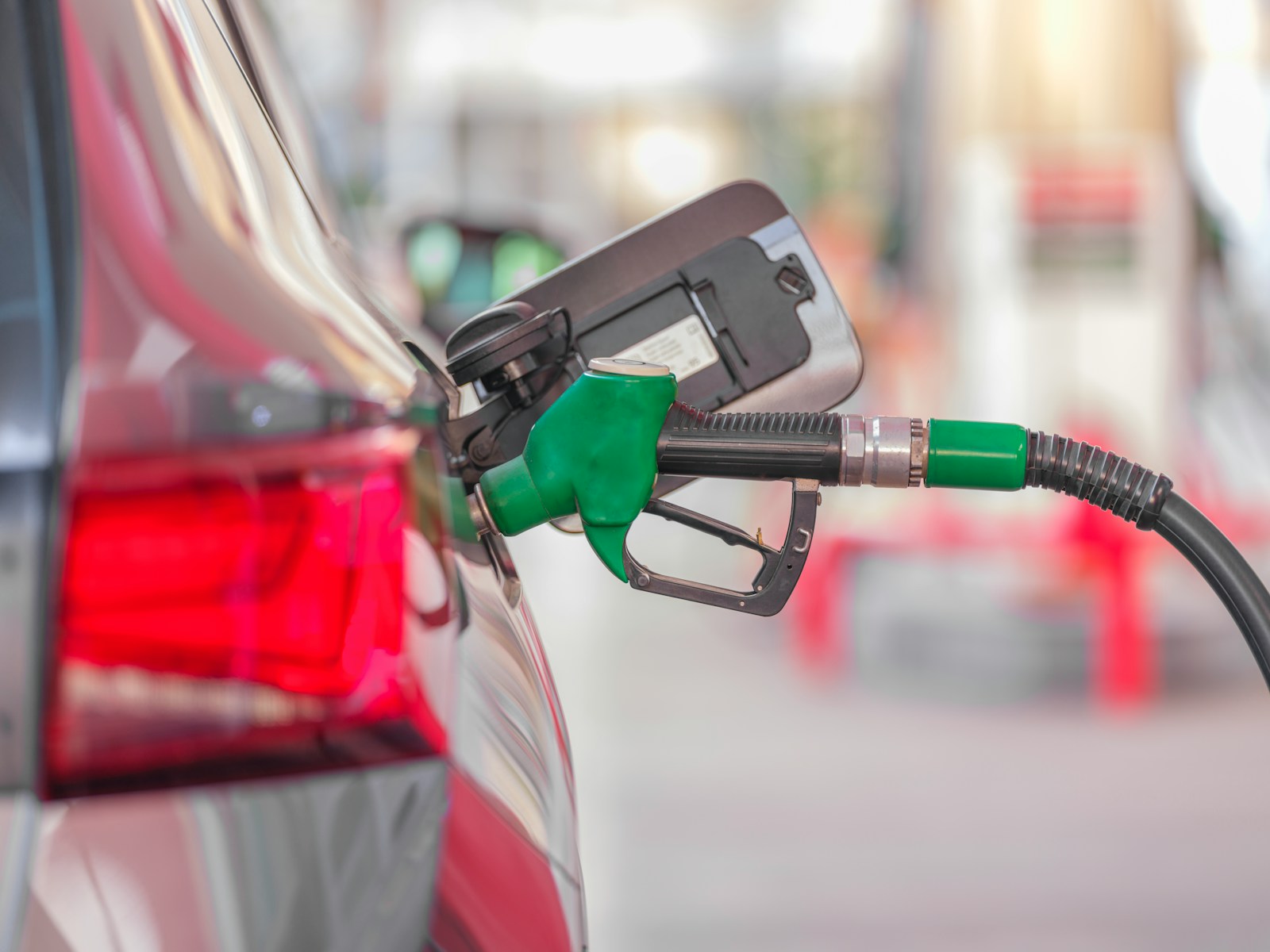
$4.07 a gallon — the highest August gas price AAA has ever tracked. AAA’s own fuel data shows the national average sitting above $4 a gallon through mid-August 2026, up more than 90 cents from the $3.16 drivers paid at the same point in August 2025 — a jump of nearly 30% in a single year. AAA attributes the spike to crude oil hovering near $80 a barrel amid Strait of Hormuz supply uncertainty, calling it the highest August average the organization has on record. It’s effectively the price of an extra tank of gas for a family driving a mid-size SUV a few hundred miles round trip.
Flights to popular destinations are running nearly 20% higher than last year. The average domestic round-trip fare for Labor Day 2026 sits around $750, itself up 2% year-over-year, according to AAA’s Labor Day travel data. Flights to the most in-demand domestic destinations are running closer to $790 — nearly 20% above what travelers paid for the same routes a year ago.
Domestic hotel bookings cost 9% more than they did last Labor Day. International hotel bookings are up even more, around 12%, per the same AAA release. Cruise pricing from U.S. ports is one of the few categories moving the other way, down about 4% to an average of roughly $2,700 per booking, which AAA says is helping some travelers offset costlier flights and hotels elsewhere in their trip.
AAA has already mapped the exact hours to avoid. Based on historical traffic patterns, AAA’s Labor Day travel advisory flags Thursday, September 3 from 2 to 7 p.m., Friday, September 4 from noon to 8 p.m., Saturday, September 5 from 1 to 5 p.m., and the return trip window on Monday, September 7 from 2 to 5 p.m. as the worst stretches to be on the road nationally.
More than 400,000 drivers needed a tow, jump, or roadside rescue last Labor Day. AAA’s emergency roadside service logged over 400,000 calls during the 2025 Labor Day period, a reminder that holiday-weekend breakdowns — dead batteries, flat tires, overheating in stopped traffic — spike right alongside travel volume. With gas prices and trip lengths both up this year, AAA is encouraging drivers to get basic maintenance checked before a long trip rather than after a breakdown.
Seattle and Orlando are pulling more domestic travelers than any other U.S. city this Labor Day. AAA booking data points to Seattle, Orlando, New York, Boston, and Denver as the top five domestic destinations this year, while Vancouver, Rome, Dublin, London, and Paris lead the international list. That mix of national-park gateways, theme parks, and big cities suggests families are stretching a final summer trip in as many directions as their budgets allow, even with airfare and hotel costs both running higher than last year.
This is only the latest record in a year that’s already full of them. AAA’s Labor Day release didn’t include a single national traveler count this time, a departure from its earlier 2026 holiday forecasts — the group projected 45 million Americans traveling over Memorial Day weekend and 72.2 million over Independence Day week, both records for those holidays. Labor Day traditionally draws fewer travelers than the two bigger summer holidays, but nothing in this year’s cost or traffic data suggests a slowdown — it suggests a holiday weekend that costs more per mile than any recent Labor Day, even if AAA isn’t putting a single headline number on how many people are driving it.
Line up all seven data points and the pattern isn’t really about any one price or one traffic window — it’s that 2026 has been a year of AAA repeatedly resetting its own travel and cost benchmarks, holiday after holiday, and Labor Day is simply the latest one to get more expensive without getting any less crowded.