
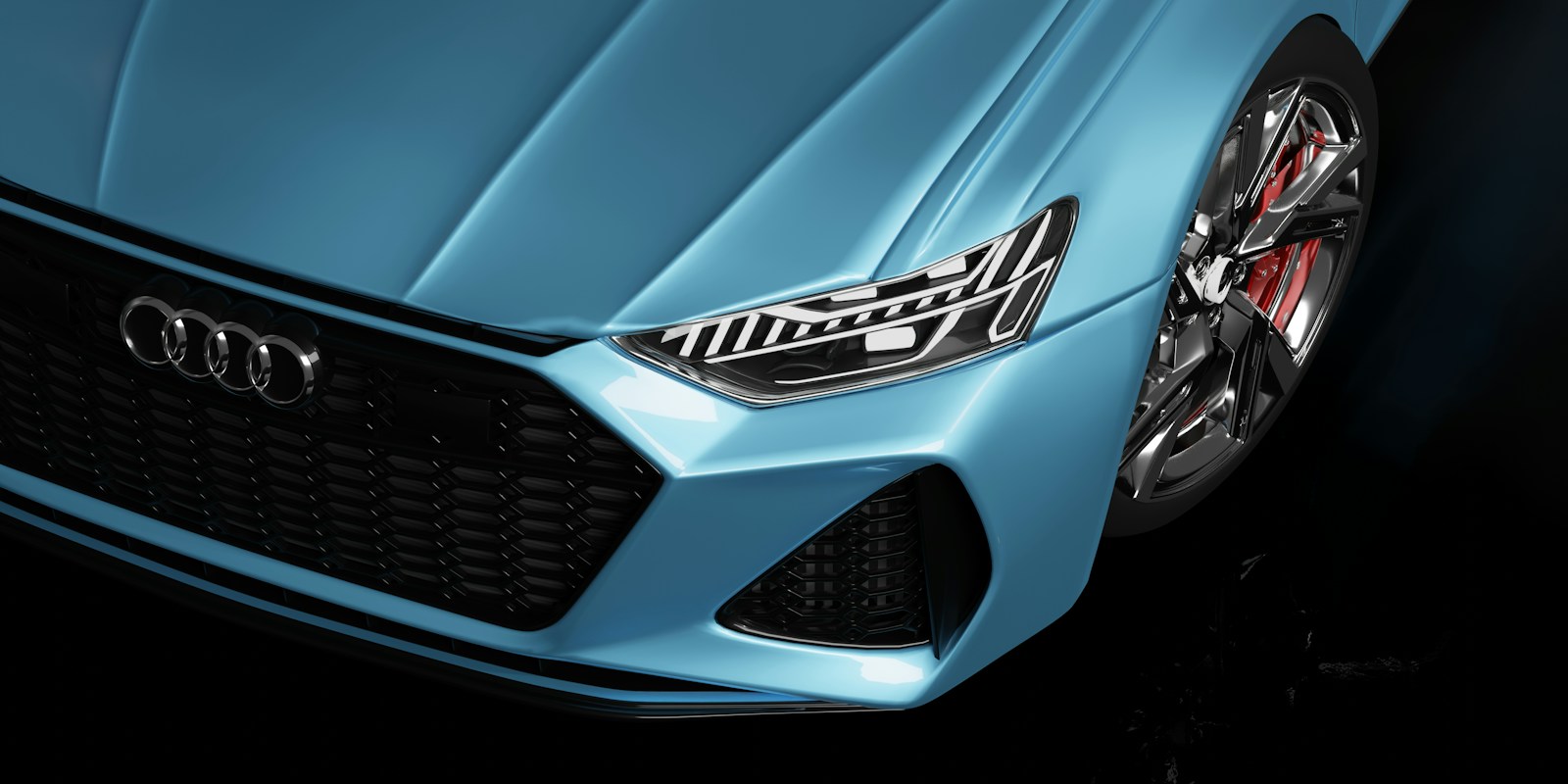

Four nameplates. That’s how many gas-powered performance models Audi has cut from its US lineup since 2023, and the automaker has already told the public what comes next: nothing with a combustion engine. Audi Sport, the division behind every RS badge on the road, has committed to launching only electric vehicles after 2026. The TT RS is gone. The R8 is gone. The S7 and A7 are gone. The gas S6 just followed them out the door. What’s left of the RS lineup is smaller than it’s been in over a decade, and the replacement plan is written in kilowatts, not cylinders.
The TT RS Was the First to Go
Production of the Audi TT ended in November 2023, taking the TT RS with it after roughly a quarter-century on sale. Audi confirmed the final car — a Roadster finished in Arrow Gray — rolled off the line at the Győr plant in Hungary, and the brand marked the occasion with a “Final Edition” run rather than a direct successor. There is no TT replacement of any kind, electric or otherwise, on Audi’s public roadmap.
The R8 Followed Five Months Later
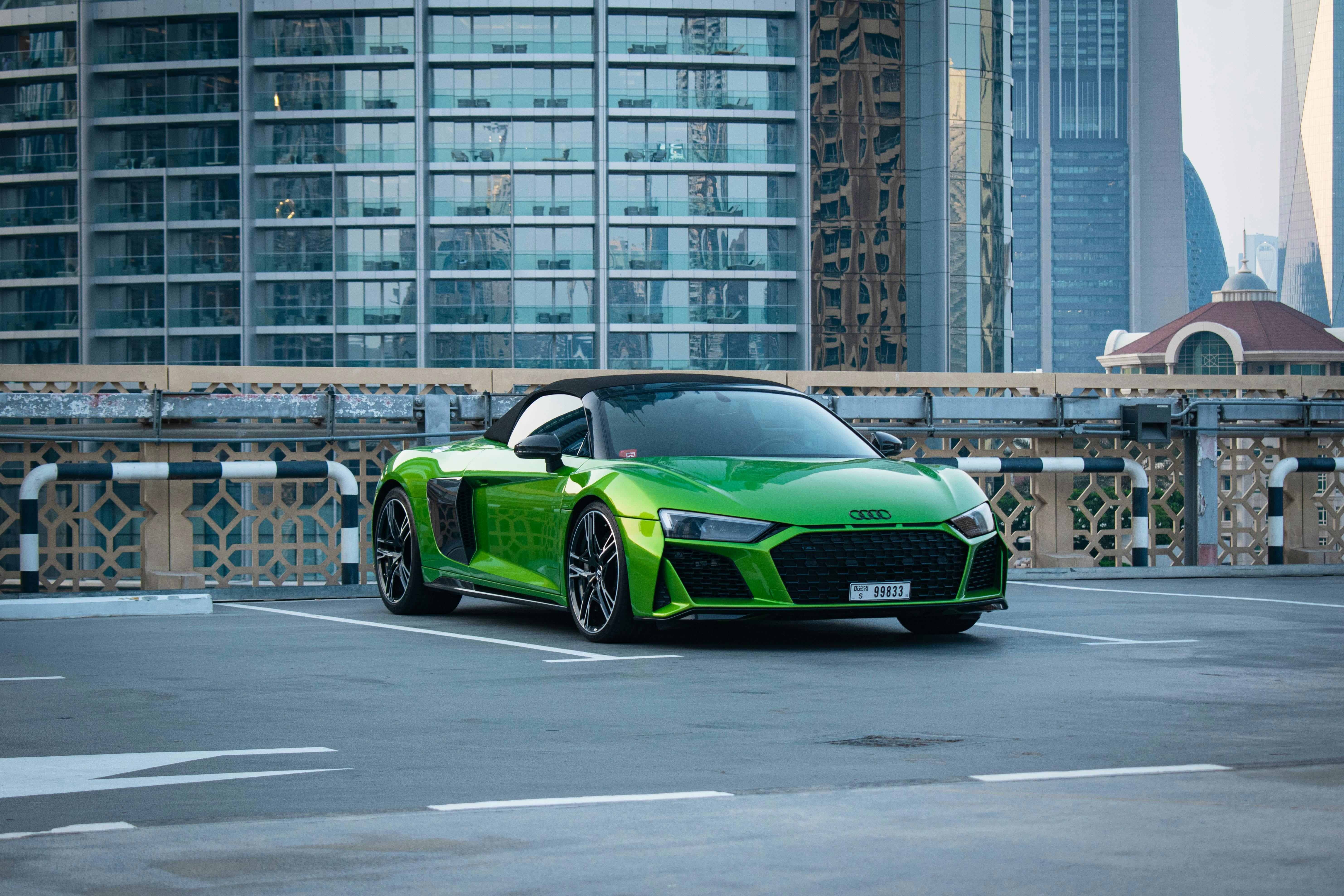
Audi built its last R8 supercar in March 2024, closing out 17 years and two generations of the model that first put a road-going Audi on a racetrack pedigree. The company has said any future R8-badged car “will almost certainly be an electric vehicle,” and Audi has separately confirmed it will launch its final new internal-combustion model in 2026 — after which Audi Sport’s entire output goes electric. That is not a rumor pieced together from spy shots; it is the automaker’s own stated production plan.
A7, S7 and Now the Gas S6 Are Off the US Order Books
Audi confirmed there is no 2026 model-year A7 or S7 for the United States, telling reporters the model line is shifting to the redesigned A6 lineup instead. The A7 wasn’t exactly flying off lots — it moved about 1,574 units in the US in 2024, despite a 48% year-over-year sales jump — but the decision still erased two nameplates in one stroke. The RS7 survives for now, still packing a twin-turbo 4.0-liter V-8 rated at 621 horsepower, though it is the last combustion holdout in that body style.
The gas-powered S6 didn’t get the same reprieve. Audi confirmed to Car and Driver that the combustion S6 will not return for 2026 and is unlikely to come back at all. In its place: the S6 e-tron, an electric performance sedan making 543 horsepower from a dual-motor setup that Audi says outaccelerates the outgoing V-6 car. Buyers who want a sportier gas A6 without going full RS can instead spec a $5,850 Sport Plus package that borrows the old S6’s chassis hardware. The RS6 Avant wagon still runs its V-8 for 2026, but reporting on Audi’s next-generation platform points toward a plug-in hybrid or fully electric successor rather than a like-for-like replacement.
What’s Actually Replacing the V-8s and V-6s
Audi’s electric performance flagship is already on sale, and the numbers explain why the brand is comfortable retiring so much combustion hardware at once. The 2026 RS e-tron GT Performance makes 912 horsepower and hits 60 mph in 2.4 seconds, starting at $171,795 — figures that leave the outgoing RS7 look almost pedestrian by comparison, at least on paper. That’s the model Audi is pointing to as proof electric power can wear an RS badge credibly, and it’s the template for where the rest of the lineup is headed.
None of this happened in a vacuum. Audi’s parent company, Volkswagen Group, has spent billions retooling for EV production, and every discontinued RS or S model has landed the same way: a shrinking sales chart for a niche body style, followed by an electric or heavily revised replacement that costs about the same or more. The TT RS and R8 got no replacement because their volumes never justified reengineering for a new platform. The S6 and, eventually, the RS6 are getting electric successors because sedans and wagons still sell in just enough volume to matter, provided the powertrain matches where the rest of the range is going.
The Pattern Ahead
Every RS model still on sale in the US today — RS7, RS6 Avant, RS3, RS5, RS Q8 — is now effectively on a countdown clock set by Audi’s own 2026 combustion cutoff for new launches, even if existing models can keep selling a while longer under their current generation. The lineup isn’t disappearing so much as being rebuilt one nameplate at a time, and the RS e-tron GT is the clearest evidence yet of what the badge will mean once the V-8s are gone for good.