
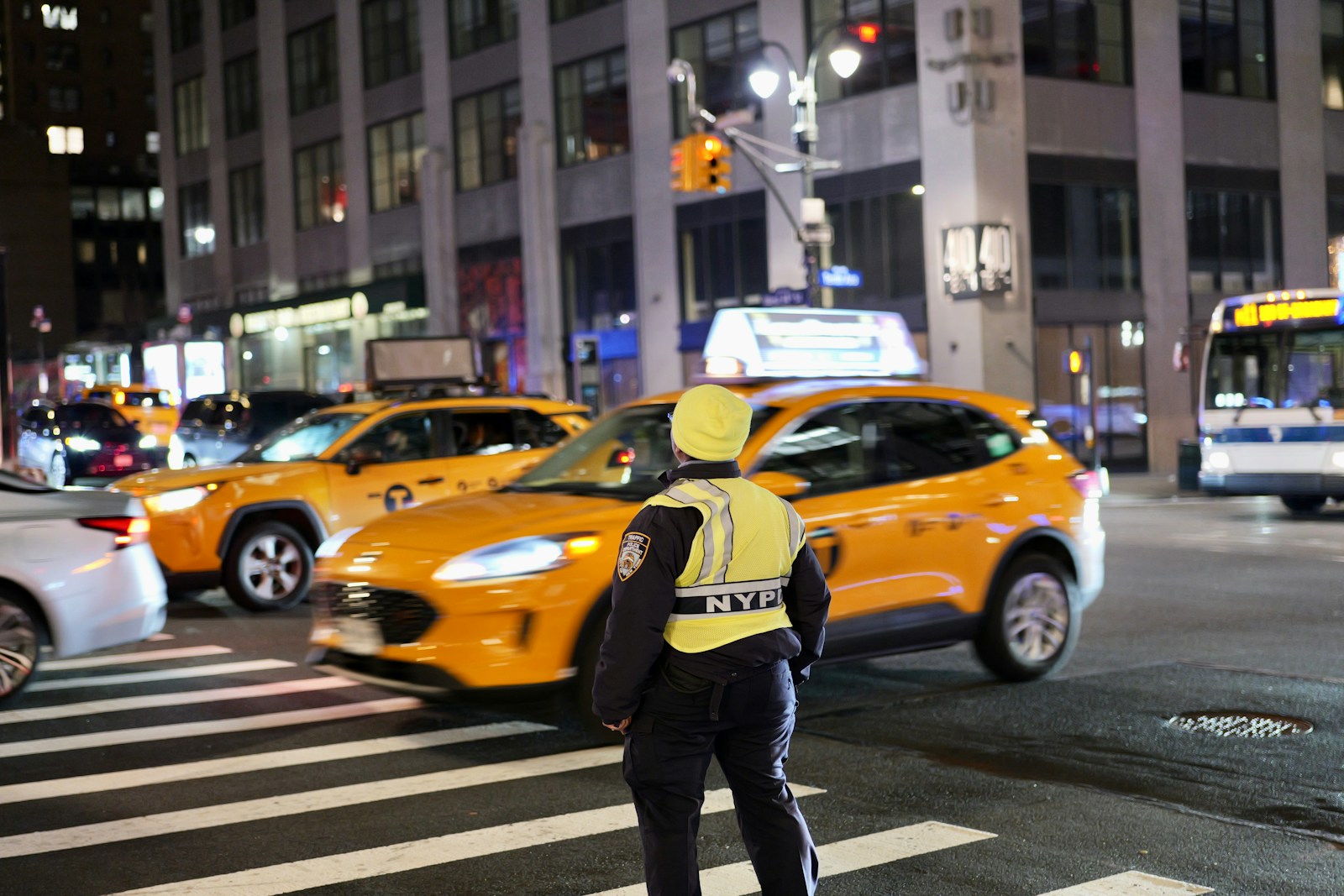

They’ve announced tougher enforcement to stop people from texting, using social apps, or running mobile apps while driving. You’ll learn what officials are doing now, how new tools and patrol tactics aim to cut distracted-driving deaths, and why these moves matter for anyone who gets behind the wheel.
This shift responds to rising fatal crashes tied to phone use and targets the behaviors that take eyes off the road. Expect a clear look at how distracted driving, especially texting while driving, causes crashes and which enforcement changes and technologies police will deploy to prevent them.
Understanding Distracted Driving and Its Deadly Impact

Distracted driving diverts attention from the road, increases stopping distance, and sharply raises crash risk. Enforcement, engineering, and public education must target the specific behaviors and populations that cause the most harm.
What Counts as Distracted Driving?
Distracted driving includes any activity that takes a driver’s eyes, hands, or mind off driving. Common examples are texting, dialing or holding a phone, using social media or navigation apps, eating, grooming, and adjusting in-car entertainment systems.
Regulators and researchers separate distractions into three types: visual (eyes off road), manual (hands off wheel), and cognitive (mind off task). A single task can involve multiple types—texting combines visual, manual, and cognitive distraction, making it especially hazardous.
Traffic safety agencies like the National Highway Traffic Safety Administration (NHTSA) and the Insurance Institute for Highway Safety (IIHS) treat phone-related tasks as high-risk because they measurably degrade vehicle control and response time.
Latest Statistics and Common Causes of Fatal Crashes
Recent federal data show thousands of deaths and hundreds of thousands of injuries annually linked to distracted driving. NHTSA reports indicate distraction contributes to a substantial share of crash fatalities, although exact numbers vary by year and reporting method.
Crash investigations commonly identify six contributing behaviors: phone use (calls and texting), in-vehicle infotainment interaction, passenger distraction, outside-vehicle events, eating/drinking, and grooming. Phone use while driving—especially texting—appears in many fatal-crash narratives because it causes prolonged eyes-off-road intervals.
Crash risk spikes when distraction coincides with speeding, impairment, or complex traffic situations. Enforcement and public campaigns focus on reducing handheld phone use because laws and visible policing can change behavior more readily than attempts to alter every in-vehicle distraction.
Why Texting, Social Media, and Mobile Apps Are Especially Dangerous
Texting and app use demand sustained visual and manual attention. Reading a message or scrolling a feed often takes a driver’s eyes from the road for several seconds, enough to cover hundreds of feet at highway speeds.
Social media and multimedia apps add unpredictable cognitive load; notifications provoke immediate, emotionally driven responses that further impair judgment. Even brief glances reduce hazard detection and increase rear-end and lane-departure crashes.
Hands-free voice systems lower manual load but do not eliminate cognitive distraction. Lawmakers and safety groups emphasize bans on handheld device use because the combination of visual and manual tasks in handheld interactions produces the largest measurable increase in crash risk.
Underreported Risks and Young Drivers
Distracted driving is often underreported in crash records because investigators must infer distraction from circumstantial evidence. Devices may be stowed or deleted after a crash, and police reports vary in how they capture phone involvement. This undercount means actual distraction-related fatal crashes may be higher than official totals.
Young drivers show the highest proportions of distraction-involved fatal crashes. Teenagers and drivers in their early twenties are more likely to use phones for texting, social media, and apps while driving and less likely to anticipate hazards. Graduated licensing, targeted enforcement, and parent-led rules have shown effectiveness in reducing phone-related risks among novice drivers.
Agencies and advocacy groups recommend combined strategies—stronger laws, visible enforcement, and technology interventions—to address both the visible and the underreported elements of distraction on roadways.
New Enforcement Actions and Technology to Prevent Distractions
Authorities are tightening laws, increasing visible patrols, and deploying tech that interrupts phone use and warns drivers before a crash. These measures combine tougher penalties, public campaigns, vehicle safety systems, and aftermarket tools to reduce deaths tied to texting and social app use.
Laws Targeting Texting and Phone Use While Driving
Many states now ban holding or manipulating a phone while driving, shifting to hands-free or full no-touch rules that make casual glances and single-tap interactions illegal. Legislatures emphasize primary enforcement so officers can stop drivers for phone use alone, which increases citation rates and compliance.
Lawmakers pair new statutes with graduated driver licensing restrictions that prohibit novice drivers from any phone use. They also expand language to cover apps, scrolling, and photographing, closing loopholes that previously allowed “one-touch” or navigation exceptions.
Jurisdictions reference research showing that stronger distracted driving laws combined with public awareness lead to behavior change. Some states allow interlock-like device requirements or higher fines and mandatory education for repeat offenders.
High-Visibility Enforcement Campaigns and Public Awareness
Police departments run coordinated high-visibility enforcement periods with clear messaging: “put the phone away or pay.” These campaigns use targeted checkpoints, roadside observations, and plainclothes decoys to detect handheld use without a crash.
Agencies time campaigns around Distracted Driving Awareness Month and major holiday travel windows to maximize reach. They pair citations with mandatory classes and outreach to employers, emphasizing that enforcement alone won’t stick without public education.
Communications lean on social media, billboards, and crash-story testimonials to make the risk concrete. Combining enforcement with media coverage increases perceived likelihood of being caught, which research ties to higher compliance.
Vehicle and Device-Based Solutions
Automakers and fleets deploy lane departure warnings, automatic emergency braking, and driver monitoring to reduce crash risk when attention drifts. These systems detect lane drift, abrupt braking needs, or eye-off-road and provide audible or haptic alerts.
Aftermarket electronic devices and apps can block notifications, auto-reply to texts, and restrict phone functionality above a speed threshold. Commercial fleets often require telematics or in-cab blocking that limits app use while vehicles move.
Cities also experiment with infrastructure: rumble strips and enhanced signage slow drivers and reduce reliance on devices for navigation. Pilots coupling predictive analytics with roadside detection aim to prevent crashes before distraction leads to a collision.
Penalties and Real-World Effects
Penalties now range from fines and license points to mandatory education and increased insurance premiums for convictions. Repeat offenders may face escalating consequences, including device confiscation in some proposals and required in-vehicle locks for commercial drivers.
Early evaluations show that primary-enforcement laws plus high-visibility enforcement reduce observed phone use and can lower crash rates, especially when paired with technology adoption. However, experts note enforcement must be consistent and accompanied by training for officers to correctly identify violations without endangering traffic stops.
Policymakers track metrics such as citation trends, crash data, and telematics reports to assess impact. Combining penalties, awareness, and vehicle/device technology produces the clearest improvements in preventing distracted driving.
More from Steel Horse Rides: