
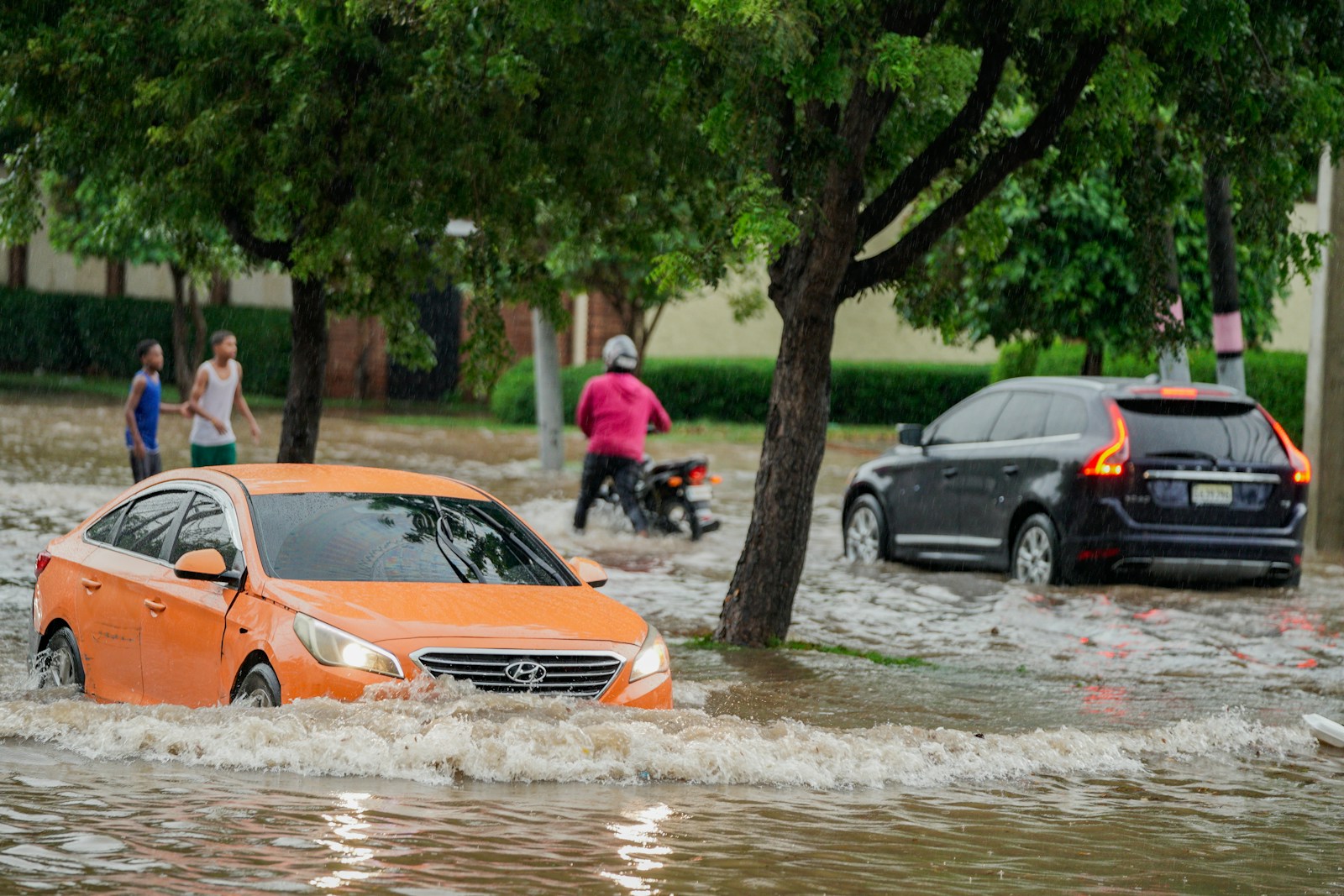

You can still get a great deal on a used car — but recent storms mean you must watch for flood-damaged vehicles that have been cleaned up and put back on the market. If you buy without checking a vehicle’s history and condition, you could inherit costly mechanical failures, electrical problems, and safety risks.
They will often look fine at first glance, so pay attention to odd odors, mismatched interior components, cloudy headlight seals, and service records that don’t add up. The article explains why so many flood-damaged cars are resurfacing and gives practical steps to spot and avoid them so you can shop with confidence.
Why Flood-Damaged Vehicles Are Returning After Recent Storms
Major storms in 2025 sent tens of thousands of cars underwater, and many of those vehicles later reappeared in distant markets. Buyers now face a higher chance of encountering flood-damaged cars that were repaired, retitled, or otherwise moved far from the original disaster zones.
Overview of 2025 Storms and Impact on Cars
Several mid-year tropical storms and hurricanes in 2025 flooded large areas, especially in Florida, Texas, and parts of the Southeast. CARFAX and industry reports estimate hundreds of thousands of water-damaged vehicles already on the road, with an additional surge of roughly 45,000 cars damaged in mid-year events.
Floodwaters submerged engines, interiors, and electronic modules. Insurers often declared badly flooded vehicles total losses when repair costs exceeded vehicle values. Those totals created a wave of salvage auctions and rebuild operations that followed the storms.
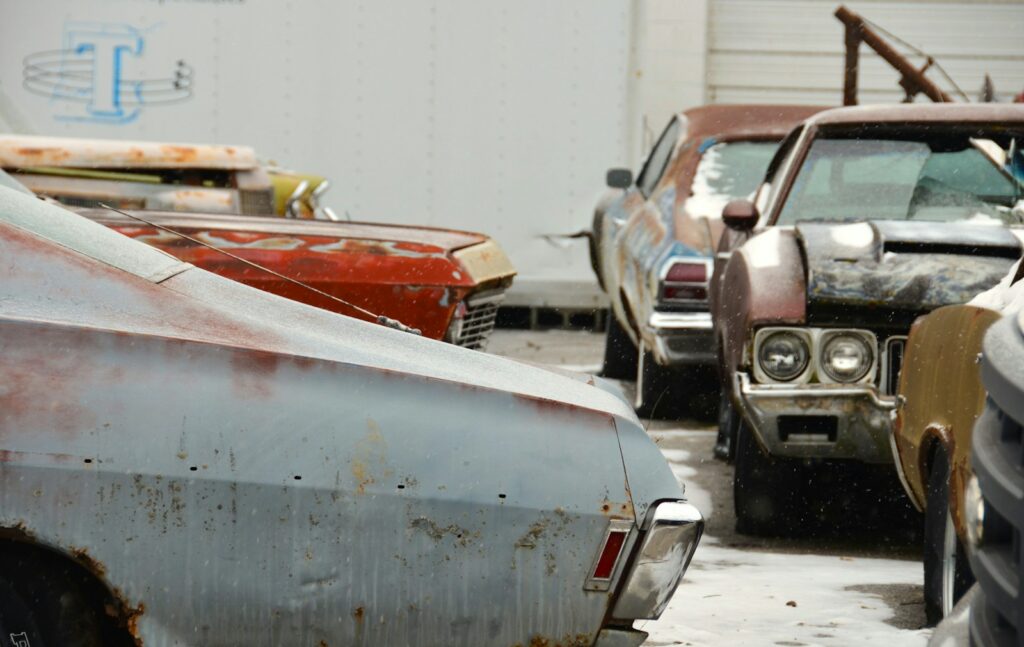
Emergency responders and tow companies moved many damaged cars to salvage yards or auction houses. Dealers and rebuilders then obtained units through auctions, wholesalers, or third-party resellers. That downstream movement dispersed flood-damaged vehicles across state lines and into regions where buyers may be less suspicious.
How Flood-Damaged Cars End Up Back on the Market
After a vehicle is declared a total loss, it typically receives a branded salvage or rebuilt title. But title-branding rules vary by state, and some flood cars avoid clear markings when paperwork is incomplete or when title-washing occurs.
Sellers can also sell cars with only a bill of sale or a “lost” title, which reduces transparency for used car buyers.
Many flood-damaged vehicles go to salvage auctions, where rebuilders repair them and then seek inspection to obtain rebuilt titles that allow registration. Others are cleaned and moved long distances to markets where buyers don’t expect recent storm damage. Online marketplaces and interstate dealers facilitate that redistribution.
Buyers who skip detailed vehicle history checks or independent inspections risk paying full price for a flood-damaged car that carries hidden problems.
Long-Term Risks and Hidden Damage
Water intrusion harms electronics, airbag systems, transmission and braking components, and interior trim. Corrosion can start slowly; wiring harnesses and connectors can fail months or years after a vehicle is put back on the road.
Mechanical fluids contaminated with water produce milky oil or cause transmission issues. Mold and persistent odors in carpets and upholstery create hygiene and resale-value problems.
Consumer Reports and NHTSA warn that airbag control modules and other safety systems may malfunction after water exposure. Even if a flood-damaged vehicle runs well in a short test drive, long-term reliability and safety can be compromised.
Shoppers should check VIN histories, inspect for waterlines, rust on unpainted screws, replaced carpets, and signs that seat mounts were removed. They should also consider a professional inspection and a seller’s detailed repair records before buying from the used car market.
For guidance on inspection items and flood indicators, see the Consumer Reports checklist on spotting flood-damaged cars.
How Buyers Can Spot and Avoid Flood-Damaged Cars
Buyers should look for physical signs of water exposure, check title and history records, and always get a professional inspection before purchase. Small details—musty odors, replaced carpets, or odd electrical quirks—often reveal flood damage long before major failures appear.
Red Flags and Tell-Tale Signs in Used Cars
Inspect carpets and trunk liners for musty smells, caked mud, or mismatched replacement carpet. New-looking upholstery in an older vehicle can indicate flood cleanup.
Check the seat-mounting screws and under-seat areas for rust or fresh tool marks; drying carpets usually requires seat removal. Look for waterlines or sediment around the engine bay, inside tail and headlight housings, and in door jambs.
Examine exposed metal screw heads beneath the dash and in the trunk for brown rust where it shouldn’t exist. Test all electronics—windows, infotainment, climate controls, and airbags—for intermittent faults or odd behavior.
Also inspect oil and filters: emulsified, milky oil or a soggy air filter suggests water intrusion. Don’t ignore removed rubber drain plugs under doors or a wet, unevenly dried spare-tire well.
The Importance of Vehicle History Reports and VIN Checks
Buyers should obtain a vehicle history report from NMVTIS-approved providers and run the VIN through free checks like VINCheck. These reports can reveal branded titles (salvage, flood) and insurance total-loss records that sellers might not disclose.
Carfax and similar paid reports pull from many records and can flag reported flood damage or registration changes tied to storm zones. Cross-reference the VIN’s registered locations during known flood events to spot suspicious moves between regions.
Print or save the report and compare mileage and title events against the seller’s paperwork. If the report shows a salvage or rebuilt title, consider walking away or requiring a deep inspection. A clean report doesn’t guarantee safety, but it removes many obvious risks.
Limitations of Carfax and Other Reports
Vehicle history reports depend on what’s reported. If an owner lacked comprehensive insurance or a claim didn’t exceed a state threshold, a flood-damaged car may never receive a branded title.
Title “washing” exists: salvage brands can be obscured when cars move between states with different disclosure rules. That means a clean Carfax or NMVTIS entry can still miss prior water damage.
Paid reports vary in data sources and update frequency; none capture physical, subtle corrosion that appears later. Treat these tools as strong screening aids, not definitive proof of absence of damage. Always corroborate digital records with physical inspection and mechanic review.
Why Every Used Car Should Be Inspected by a Mechanic
A trained mechanic inspects places buyers often miss: under dash wiring, ABS and airbag control modules, brake lines, and the ECM for corrosion. They can run diagnostic scans that reveal stored fault codes tied to water-induced shorts.
Mechanics also check for hidden repair work—cut wiring, replaced fuse boxes, fresh sealants, or non-factory parts—that suggest flood remediation. Compression and oil tests can detect coolant or water contamination.
Buyers should insist on a pre-purchase inspection in writing and accompany the mechanic when possible. If the seller refuses or won’t cover the inspection cost, that refusal often signals a risk that justifies walking away.
Relevant further reading: Consumer Reports’ guide on spotting flood-damaged cars discusses inspection points and title issues in more detail (Beware a Flood of Flooded Cars).
More from Steel Horse Rides: