
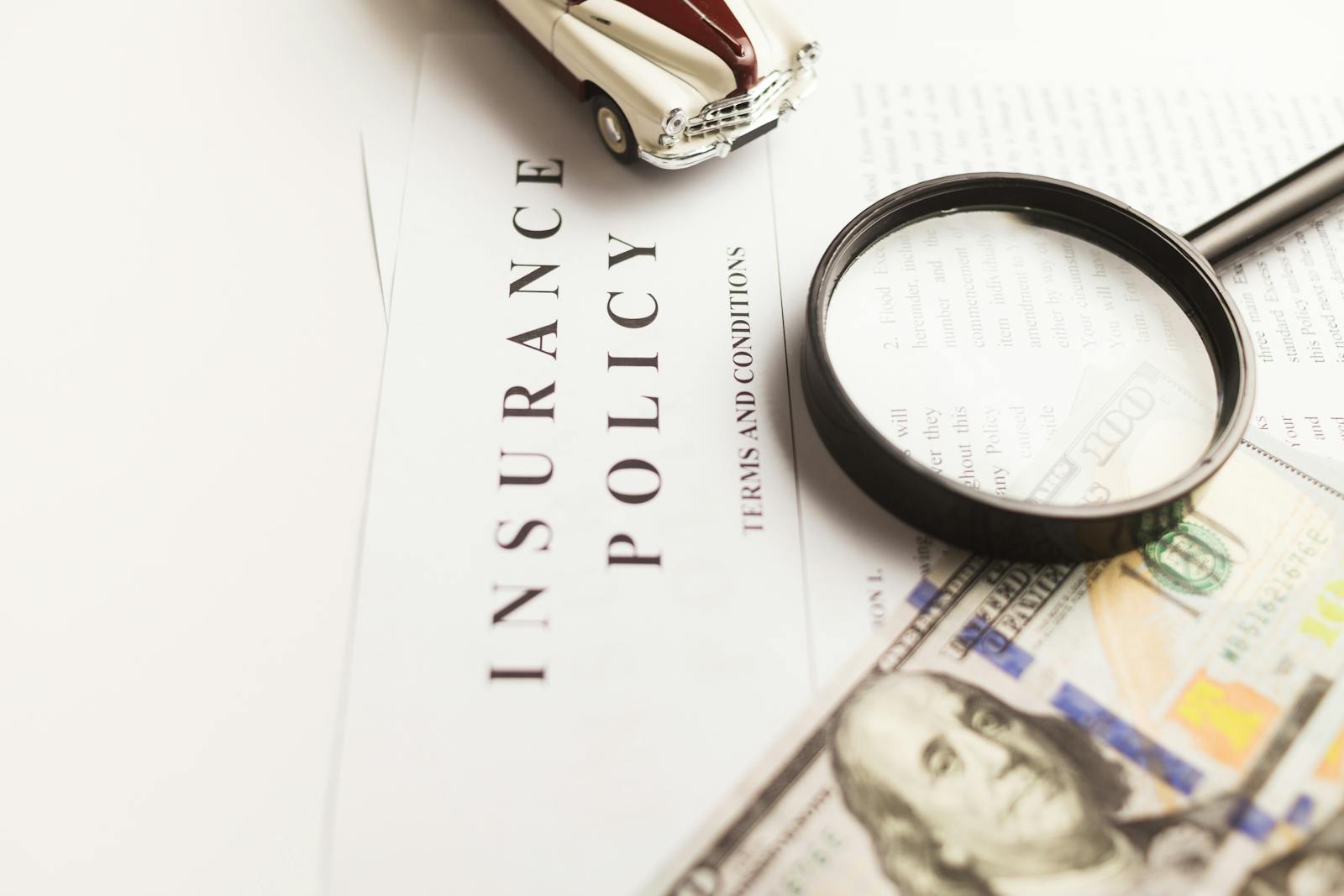

You’re likely feeling the pinch as auto insurance rates climb again, driven by higher repair bills and more expensive claims. Expect your premiums to rise because insurers face bigger repair costs, more severe claims, and industry-wide price pressure—so shopping, adjusting coverage, or using discounts can help limit the impact on your wallet.
This article explains why rates keep climbing, how repair and claims trends factor into pricing, and what practical steps you can take to manage costs. You’ll get clear, actionable guidance on comparing policies, exploring usage-based options, and finding discounts that may lower what you pay.
Why Auto Insurance Rates Keep Climbing
You’re seeing higher bills because repair costs, claim severity, and broader economic factors are all pushing insurers to raise premiums. Each of the subsections below explains one major pressure point and what it means for your policy costs.
Higher Repair Costs for Modern Cars

Modern cars have more sensors, cameras, and driver-assist systems that make even minor damage expensive to fix. Replacing or recalibrating ADAS components (radar, lidar, cameras) often requires specialized parts and certified technicians, which raises the average repair bill substantially.
Parts prices have climbed due to materials cost increases and limited inventories. That means collision and comprehensive claims cost insurers more, which flows directly into higher auto insurance premiums for you.
You’ll also pay more when repairs take longer. Vehicles now often sit in shops longer while waiting for parts or tech recalibration, increasing labor hours billed and rental-car expenses covered by insurers.
Escalating Insurance Claims and Industry Losses
Claims frequency and severity have both risen, cutting into insurers’ underwriting results. When insurers pay out more in auto claims than they collect in premiums, they record industry losses and respond by hiking rates to regain rate adequacy.
Natural disasters and severe-weather claims—hail, flooding, and storm damage—have become costlier and more frequent. Those concentrated losses force regional premium increases, so drivers in affected states often see larger hikes than national averages.
Insurers also face higher total loss payouts when repair costs approach or exceed vehicle value. That dynamic increases average claim amounts and pushes carriers to adjust pricing models, which affects your renewal quote.
Labor Shortages and Supply Chain Disruptions
Shortages of qualified auto technicians and parts backlogs both inflate repair costs. Fewer experienced mechanics mean shops charge higher labor rates and take longer to complete complex jobs, driving up the labor component of your claim.
Supply chain disruptions delay deliveries of key components like microchips and specialized sensors. Those delays increase parts costs and extend repair timelines, adding indirect costs—rental cars, storage, administrative overhead—that insurers incorporate into premiums.
You feel the impact in two ways: higher per-claim payouts and slower claim resolution. Both raise insurers’ operating costs and increase the likelihood your next renewal will be more expensive.
Tariffs and Economic Pressures
Tariffs on imported auto parts and finished vehicles raise replacement costs for components and new-vehicle prices. When parts become more expensive due to trade policy, repair costs rise, and insurers pass much of that increase into auto insurance rates.
Broad economic pressures—inflation, higher interest rates, and lower bond returns—reduce insurers’ investment income. With less offset from investments, carriers rely more on underwriting margins, which often means raised premiums and stricter rate filings.
Regulatory frameworks require insurers to justify rate changes, but sustained cost increases from tariffs and macroeconomic trends often leave regulators with limited options other than approving higher rates, which affects what you pay.
What Rising Costs Mean for Drivers and Insurers
You’ll feel higher premiums, bigger out‑of‑pocket costs, and changes to what insurers will cover. Expect insurers to push more costs onto policyholders, tighten eligibility, and vary pricing sharply by state.
Impact on Car Insurance Premiums and Deductibles
Insurers are raising premiums because the motor vehicle insurance index and repair costs have climbed. Higher parts prices and longer labor times increase average claim payouts, so companies pass those expenses to customers through rate hikes. You may see double‑digit percentage increases depending on your state and insurer.
Many drivers respond by choosing higher deductibles to lower monthly payments. That saves you on premiums but raises your exposure at claims time, especially if repairers charge more or total-loss thresholds rise. Expect specific lines like collision and comprehensive to rise faster than liability because they cover repairs and replacements directly tied to the jump in maintenance and repair costs.
Some carriers also adjust PIP (personal injury protection) pricing where applicable, since rising medical and rehabilitation bills push up injury claims. Check your policy’s deductible and PIP limits before renewing so you know how much you’ll pay after an accident.
Stricter Underwriting and Policy Changes
Insurers are tightening underwriting standards to limit exposure to escalating claims costs. You’ll notice stricter eligibility rules, higher premiums for riskier profiles, and more frequent use of telematics or mileage-based discounts to price drivers more granularly. Companies rely on claims data from vendors like CCC Intelligent Solutions to detect trends and price risk accordingly.
Expect insurers to redesign policy forms and remove or limit coverages in high-loss areas. Some carriers restrict new business in certain ZIP codes or require higher minimum deductibles. Claims handling can change too: longer repair lead times and parts shortages from supply chain issues may lead insurers to favor total-loss settlements over repairs for older vehicles.
If you want to keep coverage, maintain a clean driving record and document vehicle maintenance. Those steps make you more attractive to insurers even as they apply tighter screens.
Regional Differences and State-by-State Trends
Rate changes vary widely by state because localized repair costs, weather exposure, and legal environments differ. States with high repairer labor rates, dense traffic, or frequent severe weather often see the biggest increases. California, Florida, and parts of the Mountain West have shown above-average hikes tied to repair and medical costs.
State rules on PIP, minimum liability, and rate approvals also matter. Where regulators require slower or more transparent rate filings, insurers may delay increases or change coverage offerings instead. In areas where repair shops face technician shortages or parts bottlenecks, your repair times and claim payouts will rise, influencing local premium adjustments.
Check your state insurance department’s rate filings and your insurer’s recent notices to see exactly how your ZIP code is affected. Local premium changes reflect a mix of national cost drivers and regional claim patterns.
More from Steel Horse Rides: