
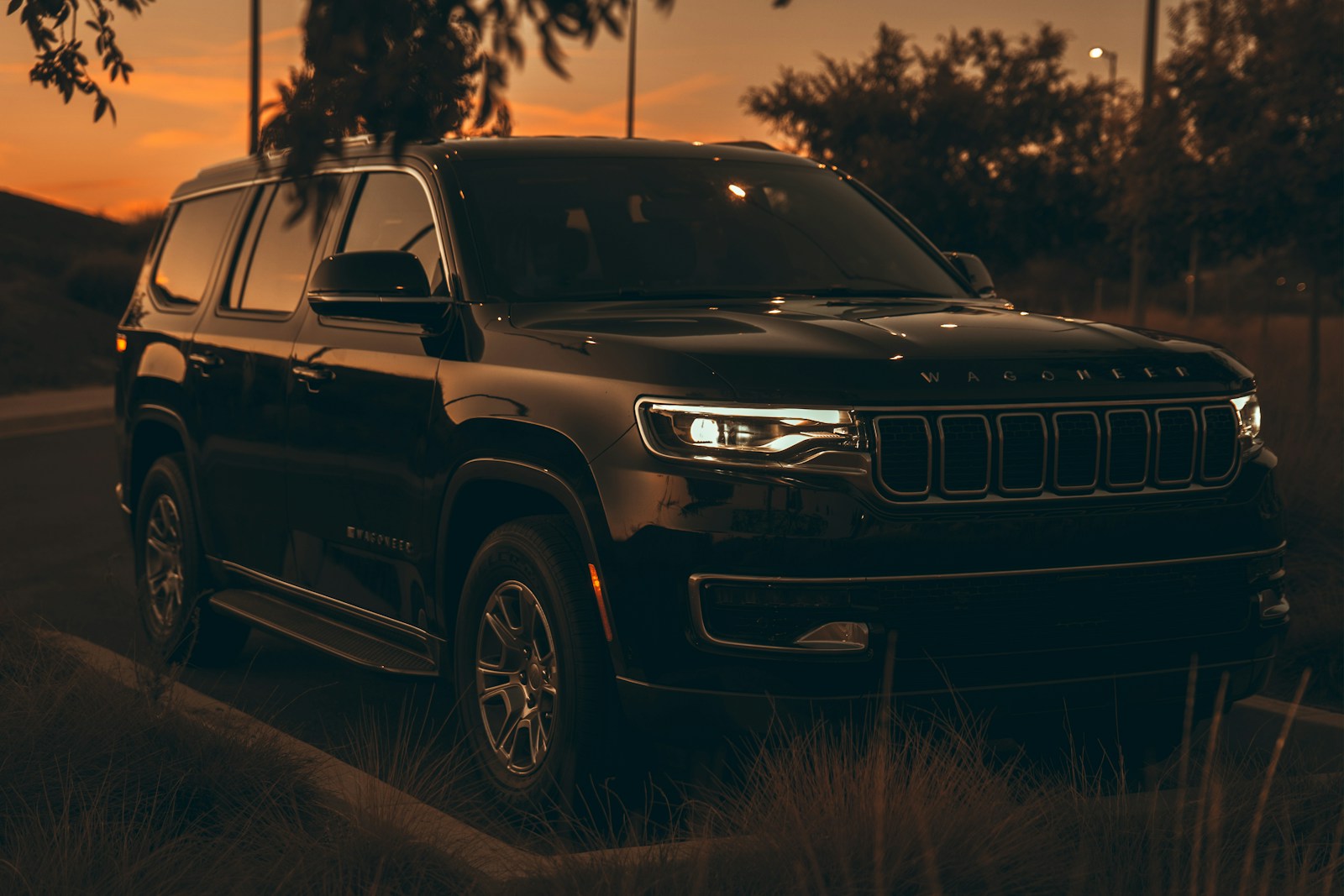

Stellantis has pushed the launch timelines for its first two extended-range electric vehicles again, with the Jeep Grand Wagoneer EREV now targeted for November 2026 production and the Ram 1500 REV sliding to April 2027, according to Automotive News, which reported the new dates from an internal supplier memo.
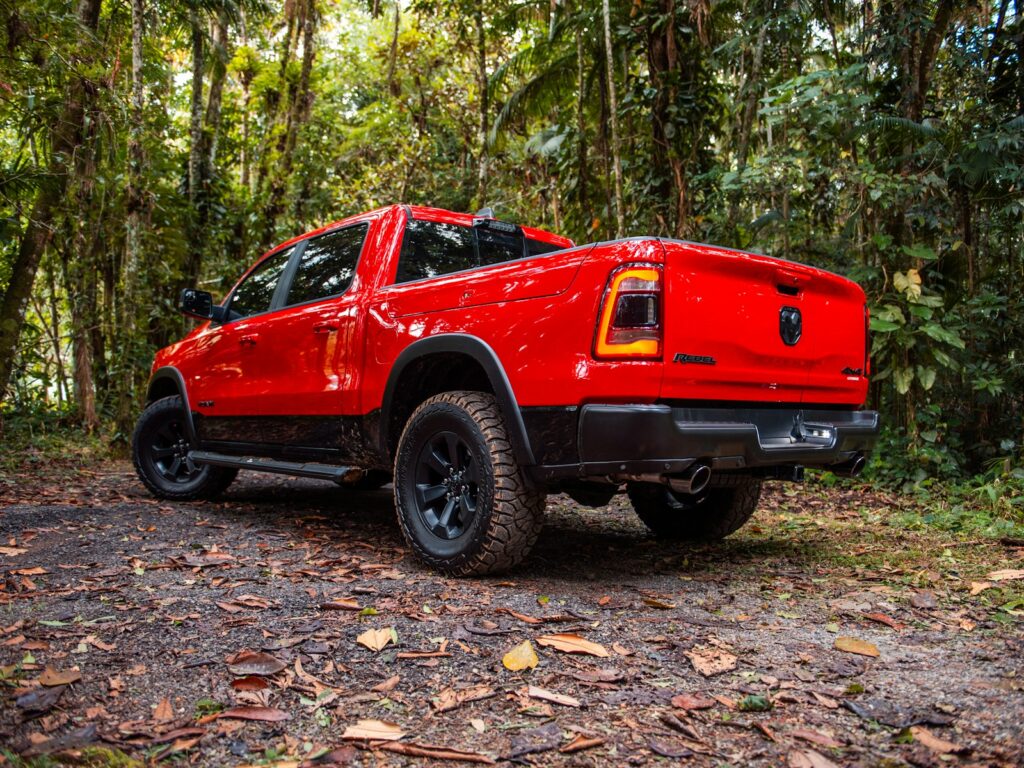
The Grand Wagoneer EREV had been aiming for a production start earlier this year; the November target marks roughly a six-month slip. The Ram 1500 REV has now been delayed twice — it originally targeted 2024 production before an earlier push to late 2026, according to a production history compiled from Stellantis specifications — and April 2027 puts it about nine months past that most recent target.
Key Points
- Jeep Grand Wagoneer EREV: pushed to November 2026 production, about six months later than planned
- Ram 1500 REV: pushed to April 2027, its second delay after an earlier slip from 2024
- Both trucks share the same extended-range architecture: a 400-volt, 92-kWh battery paired with a 3.6-liter Pentastar V6 that drives a 174-horsepower generator with no mechanical link to the wheels, per specifications compiled from Stellantis materials
- Combined output is rated up to 663 horsepower and 615 lb-ft of torque, with roughly 145 miles of electric-only range and 690 miles total range
- Ram 1500 REV builds at Sterling Heights Assembly in Michigan; Grand Wagoneer EREV builds alongside the gas-powered SUV at Warren Truck Assembly
What’s Behind the Delay
Automotive News reported that the revised dates surfaced through a supplier memo rather than a public Stellantis announcement, and that the automaker has not confirmed a delay outright. Spokespeople for both the Jeep and Ram brands told the outlet the trucks remain headed to production, without characterizing the new dates as a setback.
Neither Stellantis nor its suppliers have publicly detailed the exact technical trigger for the schedule change. But the slip lands squarely on the EREV powertrain’s two newest and most complex components: the 400-volt battery pack and the Pentastar-based generator that has to recharge it smoothly while the truck is moving. Getting that handoff right — so the gas engine kicks in as a generator without hesitation, noise, or a drop in efficiency — is the core engineering challenge of any range-extender system, and it is exactly the kind of validation work that tends to eat up extra months on the calendar.
What This Means
For Jeep and Ram dealers who have been promising customers a gas-backup alternative to pure battery-electric trucks, the wait gets longer. The Grand Wagoneer EREV should still reach production before the end of 2026, but the Ram 1500 REV — the more complex of the two programs given the truck’s added payload and towing demands — is now not expected until spring 2027. Neither brand has said whether pricing or trim availability will shift alongside the new dates.