

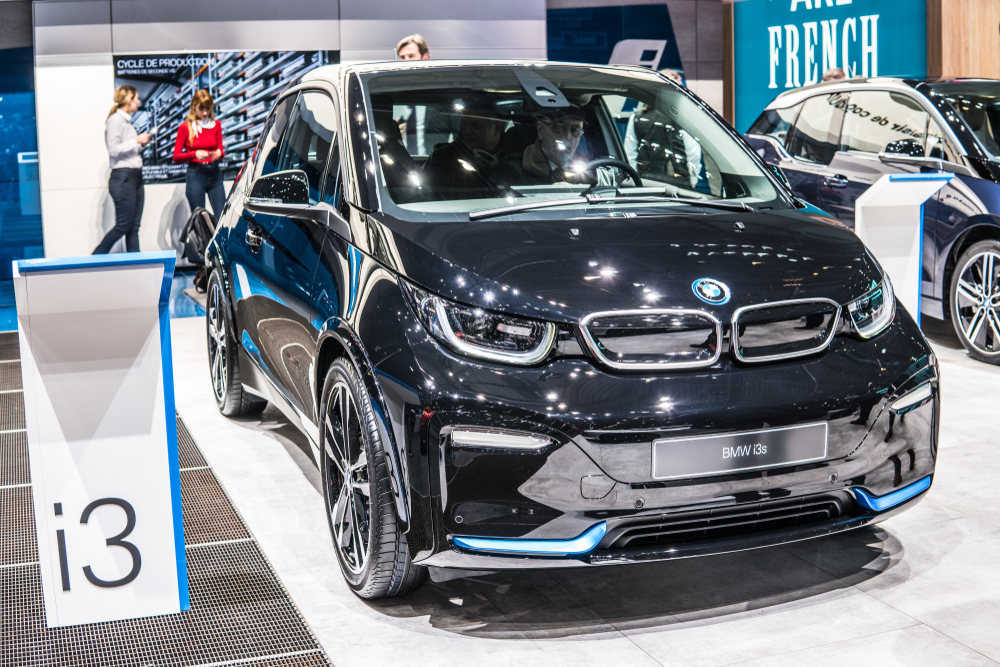
BMW’s electric sedan is finally ready to take on Tesla’s dominant compact EV, and the matchup isn’t playing out how many expected. The 2027 BMW i3 arrives as a total reinvention of the 3 Series with electric power, marking a significant shift from the quirky city car that previously wore the i3 badge. The new i3 qualifies for the full $7,500 federal tax credit while Tesla’s Model 3 credit has expired, effectively putting them at the same starting price and reshaping the value equation entirely.
Production of the BMW i3 Neue Klasse sedan started in July 2026 with deliveries beginning in early 2027, timing that puts it squarely against a Model 3 that’s been the benchmark for years. The competition between these two isn’t just about specs on paper. It’s about how buyers are weighing performance against charging infrastructure, badge prestige against proven reliability, and traditional luxury against minimalist tech.
The differences between these electric sedans go beyond the obvious brand rivalry. From acceleration times to charging speeds to what it’s actually like living with each car daily, the comparison reveals major distinctions that are quietly influencing purchase decisions in showrooms across the country.
Key Performance and Range Differences
The BMW i3 Neue Klasse arrives with a more aggressive trim lineup and substantially higher range claims than the Tesla Model 3, while Tesla maintains its edge in proven real-world efficiency and instant acceleration. These differences are creating distinct camps among buyers who prioritize either cutting-edge specs or battle-tested performance.
Trim Levels and Power Output
BMW is launching the i3 Neue Klasse with six different configurations: the i3 20, i3 40, i3 40 xDrive, i3 50, i3 50 xDrive, and the performance-focused i3 M60 xDrive. The i3 M60 xDrive delivers up to 630 horsepower, making it the most powerful electric sedan in its class.
Tesla’s Model 3 lineup remains simpler with three main variants. The Model 3 Performance produces 510 horsepower through its dual-motor setup, which is impressive but notably less than BMW’s flagship offering.
The wider range of trims gives BMW an advantage for buyers who want specific power levels. Tesla’s approach favors simplicity, though some customers may find themselves between variants with no middle ground.
Acceleration and Driving Feel
The Tesla Model 3 Performance hits 0-60 mph in 2.9 seconds, a figure that remains among the quickest in the premium electric sedan segment. BMW hasn’t released exact acceleration times for the i3 M60 xDrive, but the horsepower advantage suggests it could match or exceed Tesla’s benchmark.
Beyond raw numbers, the two cars offer different driving personalities. Tesla’s torque delivery is instant and software-tuned for maximum responsiveness. BMW’s Neue Klasse platform emphasizes what the company calls improved power density and thermal efficiency through its Gen6 motors.
Test drivers note that Tesla’s acceleration feels more linear and predictable. BMW’s approach appears to blend traditional driving dynamics with electric performance, potentially appealing to enthusiasts who miss the feedback of combustion engines.
Real-World Range and Battery Advances
Range represents the most dramatic difference between these electric sedans. The BMW i3 Neue Klasse claims up to 560 miles on the WLTP cycle, while separate reports indicate up to 440 miles of EPA range. The Tesla Model 3 maxes out at 358 miles on the EPA cycle.
BMW’s Gen6 battery technology uses cylindrical cells with 20% more energy density than the previous generation. Tesla continues using a mix of LFP and NCA/NMC chemistries depending on the model and market, a strategy that has proven reliable but doesn’t match BMW’s latest energy density claims.
The practical impact on range anxiety differs between the two. Tesla’s extensive Supercharger network and years of software optimization mean its real-world range often matches or exceeds EPA estimates. BMW’s numbers look exceptional on paper, but the Neue Klasse EV architecture remains unproven in everyday driving conditions.
Charging, Tech, and Ownership Experience
BMW’s 400 kW DC fast charging capability outpaces Tesla’s 250 kW maximum, while both cars now share access to the same Supercharger network. The interior philosophies diverge sharply, with BMW embracing a full-width heads-up display and Tesla sticking to its single-screen approach.
Fast Charging, Infrastructure, and Supercharger Access
The i3’s charging speed reaches 300 to 400 kW, allowing drivers to add 217 miles in 10 minutes under optimal conditions. Tesla’s Model 3 maxes out at 250 kW and requires about 15 minutes to add 175 miles at a Supercharger station.
BMW equipped North American i3 models with the NACS port, giving buyers direct access to Tesla’s extensive Supercharger network without adapters. This eliminates what was once Tesla’s most significant infrastructure advantage.
The Gen6 battery technology in the i3 uses cylindrical cells with 20% more energy density than BMW’s previous generation. Tesla continues using a mix of LFP and NCA/NMC chemistries depending on the trim level.
Interior Design, Infotainment, and Features
The i3 features a 17.9-inch central touchscreen paired with a Panoramic Vision display that projects driving data across the windshield base. BMW’s iDrive X system blends voice, touch, and AI-based controls. Tesla counters with a 15.4-inch horizontal screen running Tesla OS, plus a rear passenger display added in the 2024 refresh.
BMW added a frunk to the i3, matching Tesla’s long-standing front trunk storage. Both vehicles offer similar trunk volume and rear legroom, though exact measurements for the i3 haven’t been released yet.
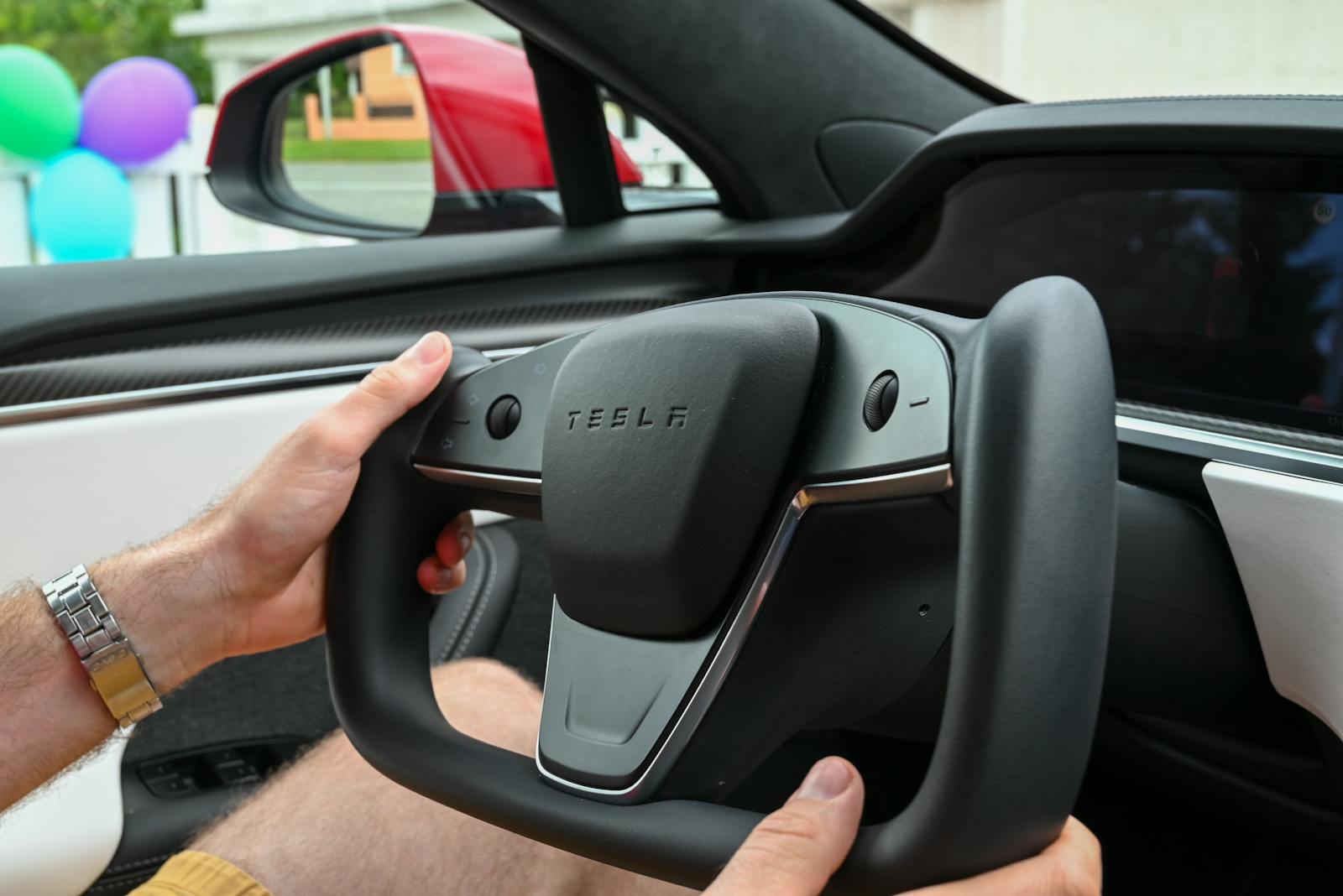
The i3’s steering wheel uses spokes only at 12 and 6 o’clock positions, enhancing forward visibility. Tesla maintains its yoke-style option alongside a traditional wheel, with most buyers choosing the latter.
Sustainability, Maintenance, and Resale Value
Both automakers incorporate recycled materials and sustainable production methods, though specific percentages for the i3’s interior recycled plastics haven’t been disclosed. BMW’s Munich plant where i3 production starts in July 2026 runs partially on renewable energy.
Maintenance costs for electric vehicles typically run lower than gas-powered cars, but BMW’s traditionally higher service pricing compared to Tesla’s may affect the i3’s cost of ownership. Tesla provides over-the-air updates that add features and improvements without dealer visits, a capability BMW has adopted with iDrive X.
Resale value projections remain speculative since the i3 won’t reach driveways until early 2027. Tesla’s Model 3 has shown strong residual values, though increased competition has begun softening those numbers.
More from Steel Horse Rides:
- 13 Most Powerful Muscle Cars of All Time
- 13 Underrated JDM Cars That Deserve More Love
- 15 JDM Cars That Were Illegal in the U.S.
- 13 SUVs From the ’90s That Are Surprisingly Cool Today