
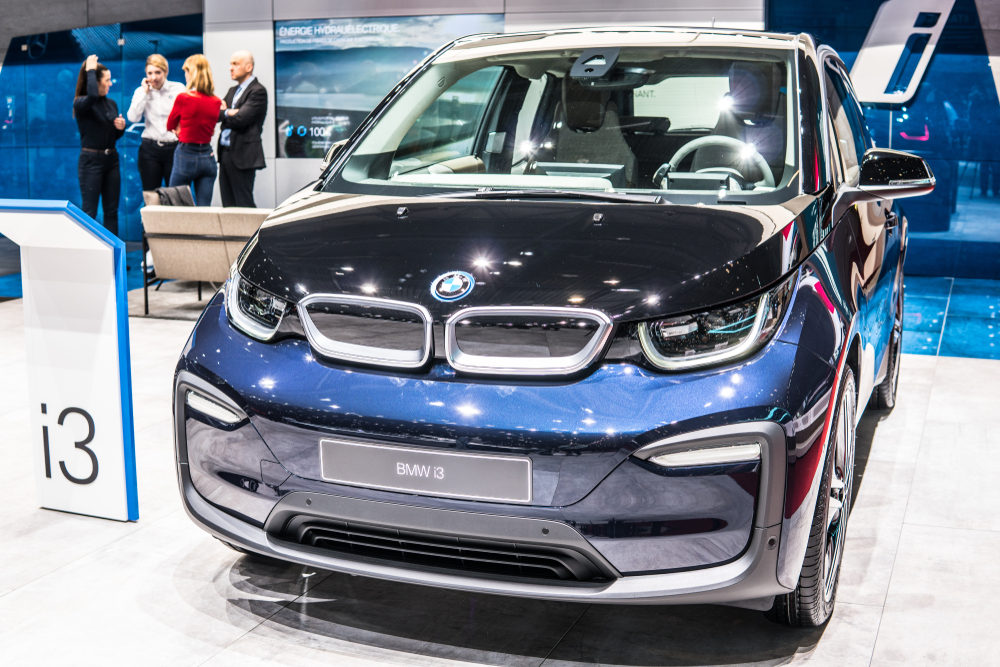

BMW is bringing back the i3 name, and this time it’s attached to something much bigger than the quirky city car that wore the badge before. The 2026 BMW i3 will debut with up to 440 miles of range and ultra-fast charging capabilities that could make it one of the most road-trip-ready electric sedans on the market. Built on BMW’s all-new Neue Klasse platform, the electric sedan is positioning itself as a serious competitor to the Tesla Model 3.
The i3 isn’t just about numbers on paper. Production begins in July 2026, with deliveries expected to roll out in early 2027 for U.S. customers. BMW CEO Oliver Zipse has been vocal about the car’s focus on driving pleasure, suggesting this won’t be another soulless EV commuter box.
What’s drawing attention is the combination of practical range and charging speed that could finally erase range anxiety for a lot of drivers. The i3 is being designed to tackle long distances without the constant stress of finding charging stations, and the tech under the hood is raising eyebrows across the industry.
Why the BMW i3 Is a Road Trip Game Changer
The 2026 BMW i3 is turning heads with its combination of extended range, incredibly fast charging capabilities, and the advanced Neue Klasse platform that represents a major technological shift for the automaker.
Ultra-Long Range and the Neue Klasse Evolution
The BMW i3 Neue Klasse delivers an estimated 440 miles of EPA range, marking a significant leap from previous BMW electric vehicles. This isn’t just incremental progress—the Neue Klasse platform brings a 30% improvement in driving range compared to the previous generation.
Under WLTP testing conditions, the i3 achieves up to 559 miles, though real-world EPA figures provide a more conservative estimate. The range boost comes from BMW’s sixth-generation eDrive technology paired with an 800-volt architecture that makes the entire powertrain more efficient.
The Neue Klasse represents BMW’s approach to building its next generation of electric vehicles from the ground up. Rather than adapting existing platforms, the automaker designed this system specifically for EVs, allowing for better battery packaging and improved thermal management that directly contributes to the extended range figures.
Fast Charging: How 400+ kW Puts the i3 Ahead
The i3’s 800-volt architecture enables charging speeds up to 400 kW, which translates to adding nearly 250 miles of range in just 10 minutes. That’s enough to go from a quick coffee break to having enough charge for several more hours of highway driving.
BMW claims 30% faster charging compared to its fifth-generation electric vehicles. The high-voltage system reduces charging time significantly compared to traditional 400-volt setups found in many competing EVs.
The BMW i3 will feature a built-in NACS charge port, giving owners direct access to Tesla’s Supercharger network across North America. This substantially expands charging options beyond traditional CCS stations, addressing one of the main concerns EV buyers have about long-distance travel.
Real-World Driving Experience and Road Trip Appeal
The i3 50 xDrive variant comes with dual motors producing a combined 463 horsepower and 476 lb-ft of torque. That power delivery means highway merging and passing maneuvers happen confidently, which matters when navigating unfamiliar routes or tight traffic situations.
BMW retained the classic 3 Series proportions while incorporating Neue Klasse design elements like the updated kidney grille and “four-eye face” styling. The interior features a 17.9-inch touchscreen and an optional 3D head-up display that stretches across the windshield, keeping navigation information easily visible without requiring drivers to look away from the road.
Production begins at BMW’s Munich plant in August 2026, with deliveries starting that autumn. Expected pricing sits around $50,000 to $55,000, positioning it against the Tesla Model 3 and Mercedes-Benz’s electric C-Class in the midsize luxury sedan segment.
Innovation and Tech That Set the i3 Apart
BMW’s electric sedan brings sixth-generation battery technology, a ground-up EV platform, and an interior that ditches traditional gauges for panoramic projection displays. The i3 50 xDrive packs 463 horsepower while introducing trim levels that range from efficiency-focused variants to upcoming M Performance editions.
Sixth-Generation eDrive and Battery Advancements
The i3 50 xDrive uses sixth-generation battery tech with round cylindrical cells that deliver improved energy density over previous rectangular designs. BMW hasn’t disclosed the exact capacity, but the sedan shares its 2897 mm wheelbase with the iX3, suggesting a similar 108.7 kWh net energy content in the European-spec version.
The dual-motor setup generates 463 horsepower and 476 lb-ft of torque. These preliminary figures match the iX3 50 xDrive, though the sedan’s lighter weight could translate to quicker acceleration than the crossover’s 4.9-second sprint to 62 mph.
Bidirectional charging capabilities include Vehicle-to-Load (V2L), Vehicle-to-Home (V2H), and Vehicle-to-Grid (V2G) functions. The i3 can power external devices, serve as home energy storage, or feed electricity back to the public grid. With 400 kW charging support, the sedan adds 400 kilometers of range in just 10 minutes at compatible stations.
Neue Klasse Platform: Design, Performance, and Versatility
The Neue Klasse architecture was engineered exclusively for EVs, unlike the traditional CLAR platform that underpins the combustion-engine 3 Series. This dedicated EV structure enables packaging advantages like a front trunk and a lower hood profile without needing space for inline-six engines.
BMW built the platform around the Vision Neue Klasse concept from 2023. The production i3 measures 4760 mm long, 1865 mm wide, and 1480 mm tall—making it 47 mm longer, 38 mm wider, and 40 mm taller than the outgoing G20 3 Series Sedan.
The sedan retains BMW design cues like flush door handles and the Hofmeister kink at the C-pillar. Opening the hood reveals a frunk, though BMW hasn’t specified its capacity. The iX3’s front cargo area holds 58 liters, but the i3’s lower frontal section might limit depth compared to the taller crossover.
Panoramic Vision, 3D Head-Up Display, and Digital Details
BMW Panoramic Vision spans the full width of the windshield as standard equipment. The projection system displays three fixed tiles in the driver’s line of sight, replacing a traditional instrument cluster. Six customizable widgets sit to the right, all adjustable through the main screen.
A 17.9-inch central touchscreen runs the iDrive X infotainment system. BMW tilted the display three degrees toward the driver, echoing the cockpit-focused layouts of older models. An optional 3D head-up display provides additional information without requiring drivers to look away from the road.
The company eliminated the traditional iDrive rotary controller. Climate controls moved entirely into the touchscreen interface, continuing the minimalist approach seen on the exterior. A new voice assistant powered by Amazon’s Alexa+ AI technology offers more natural interaction than previous systems.
The white steering wheel with two vertical spokes carries over from the iX3, though a black version will also be available. BMW will offer an M steering wheel as well.
Trim Levels, Power, and M Performance Editions
BMW revealed the i3 50 xDrive first, but other variants appear in the lineup. References to i3 40, i3 20, and i3 40 xDrive suggest multiple power levels and drivetrain configurations. The badging on the electric sedan simply reads “i3 50” even on xDrive versions, eliminating the fender-mounted M badges found on previous M Sport Package cars.
M Performance and full M versions are already confirmed to be in development for both the i3 and the upcoming eighth-generation combustion-engine 3 Series. The iX3 will get an M60 xDrive variant, and the i3 M60 xDrive seems likely to follow with similar upgrades.
Production starts in August at BMW’s Munich plant, with European deliveries beginning this fall. The combustion 3 Series (G50) enters production later in 2026 at Dingolfing with gasoline, diesel, and plug-in hybrid powertrains available.
More from Steel Horse Rides:
- 13 Most Powerful Muscle Cars of All Time
- 13 Underrated JDM Cars That Deserve More Love
- 15 JDM Cars That Were Illegal in the U.S.
- 13 SUVs From the ’90s That Are Surprisingly Cool Today