
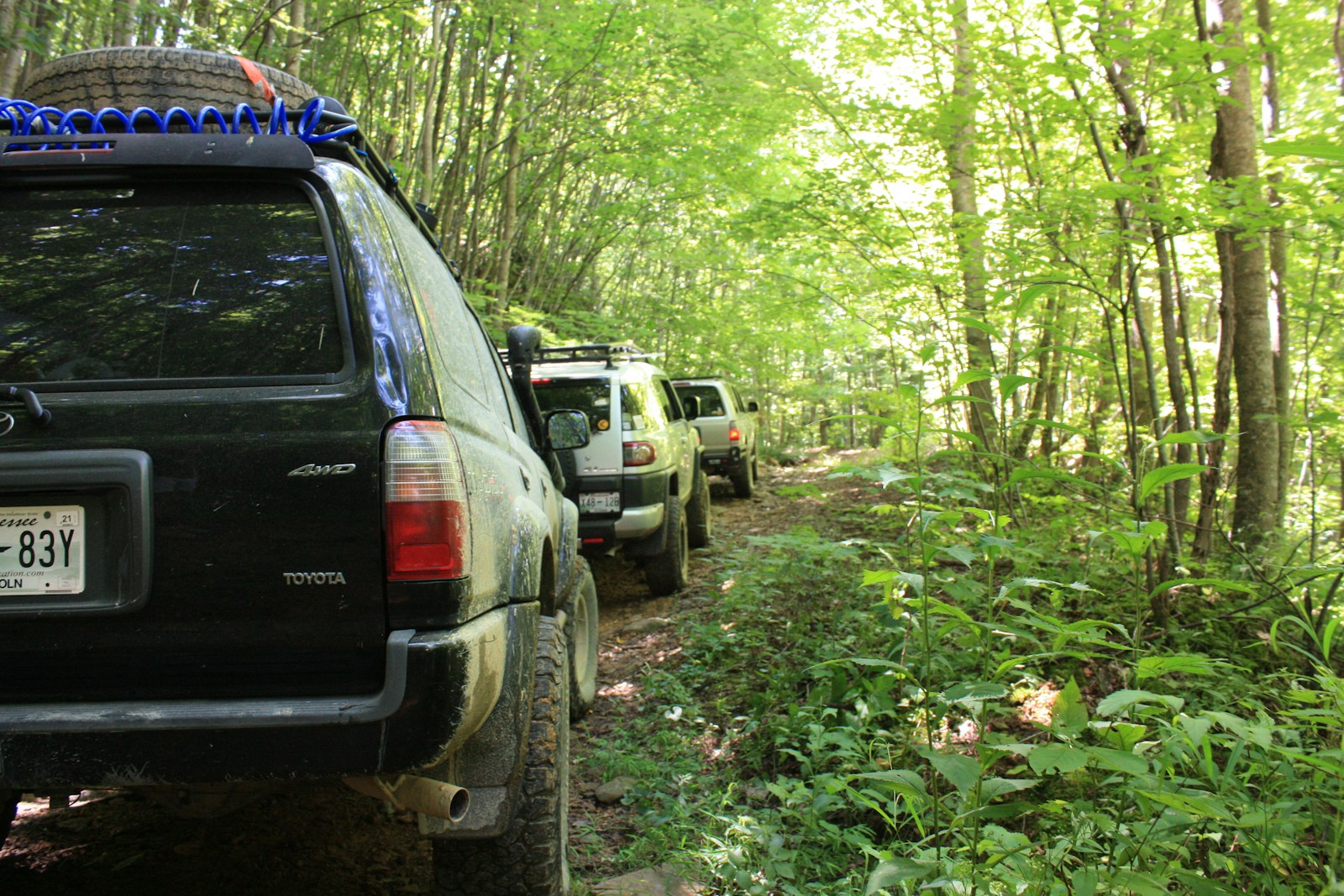

A five-year-old Toyota 4Runner retains 73.99% of its original value. The average SUV on the road today, the vast majority of which are unibody crossovers, keeps just 55.2% over that same stretch, according to resale data published by iSeeCars. That’s an 18.8-percentage-point gap between one body-on-frame off-roader and the broader SUV segment it technically shares a category with, and it isn’t a fluke of one nameplate. Fresh data across multiple sources shows the split between truck-based off-roaders and car-based crossovers has become one of the widest, most consistent gaps in the entire resale market, and it translates directly into how much cash actually leaves an owner’s pocket over five years of ownership.
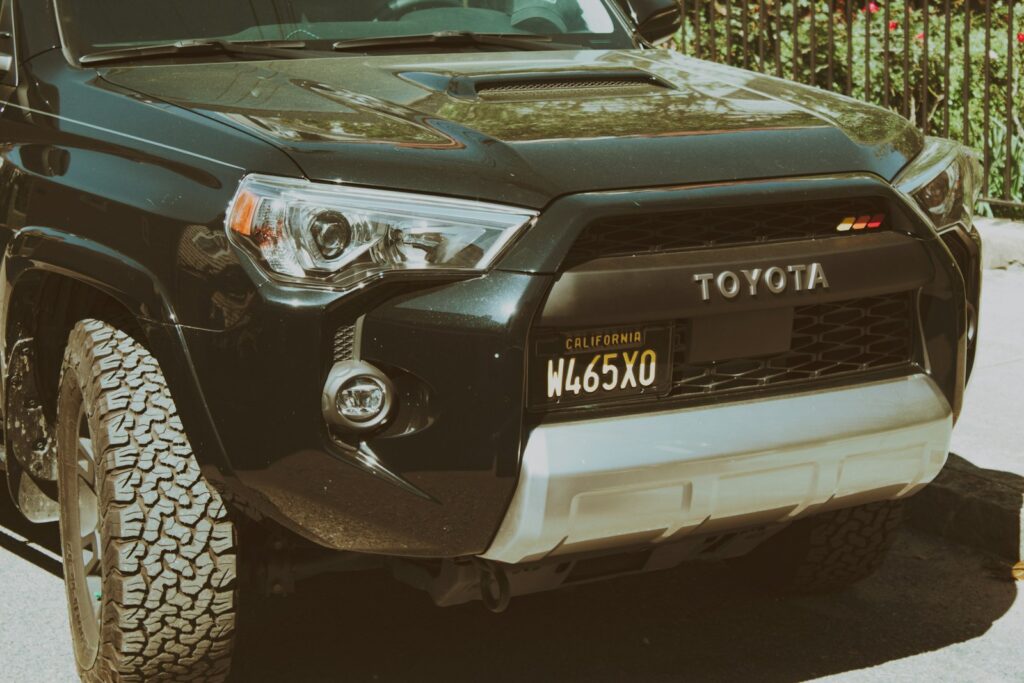
The Numbers Behind the Gap
The 4Runner isn’t an outlier among body-on-frame trucks. The Jeep Wrangler retains 65.98% of its value after five years, according to iSeeCars’ own tracking of the model, well ahead of the 58.3% average for all vehicles on the market and more than 10 percentage points clear of the average SUV’s 55.2%. Kelley Blue Book’s 2026 Best Resale Value Awards tell a similar story from a different data set: the 4Runner is the only true body-on-frame off-roader honored in the SUV category, projected to retain 58.0% of its value, ahead of car-based competitors like the Honda CR-V at 53.2%, the Toyota Grand Highlander at 50.9%, and the Lexus NX at 43.2%, according to KBB’s award data.
Put in real dollars, iSeeCars figures show a new 4Runner depreciating 26% over five years to a resale value around $31,274, meaning an owner keeps roughly three-quarters of what they paid. Run that same five-year math on a typical crossover holding only around 55% of its value, and the difference amounts to thousands of dollars in additional value lost, real money that would cover a decent used car payment on its own.
Why Body-on-Frame Trucks Are Holding On Better
Part of the gap comes down to supply. Automakers have spent the last decade shrinking their body-on-frame SUV lineups in favor of cheaper-to-build unibody crossovers, which means there are simply fewer true off-roaders coming off assembly lines every year relative to demand. The Wrangler and 4Runner both carry loyal buyer bases that specifically want factory four-wheel-drive hardware, a two-speed transfer case, and real off-road capability, features that used-car shoppers can’t simply option onto a crossover after the fact. When supply is constrained and a specific kind of buyer won’t settle for a substitute, resale values tend to hold, and that’s exactly the pattern showing up across the iSeeCars and KBB data alike.
Crossovers, on the other hand, are largely interchangeable with each other on paper. A three-row crossover competes directly against a half-dozen other three-row crossovers with nearly identical capability, which gives used buyers far more leverage to shop around and pushes resale values down across the entire segment rather than any one nameplate in particular.
The pattern holds even at the luxury end of the market, where badge prestige alone doesn’t rescue a crossover’s resale numbers. KBB’s 2026 awards list the body-on-frame Mercedes-Benz G-Class at 55.0% retained value in the full-size luxury category, while the unibody Lexus UX comes in at just 47.9% among subcompact luxury crossovers and the Lexus NX at 43.2% among compact luxury crossovers, roughly 11 to 12 percentage points behind a truck-based SUV wearing a three-pointed star. A six-figure luxury badge alone clearly isn’t what determines where a vehicle lands in this comparison; the chassis underneath it is doing most of the work.
What This Means at Trade-In Time
The gap matters most the moment an owner actually goes to sell or trade in. A body-on-frame off-roader bought new and kept five years hands its owner back a meaningfully larger share of the original purchase price than a comparably priced crossover would, even before factoring in that many off-roaders also carry stronger aftermarket and enthusiast demand that crossovers rarely see. None of this means a crossover is a bad vehicle to own; for most buyers’ actual needs, it’s often the more sensible, more efficient choice day to day. But anyone cross-shopping a body-on-frame off-roader against a similarly priced crossover should go in knowing the resale math isn’t close, and the data on both sides of that comparison is now detailed enough to put a real number on exactly how not-close it is.