

She didn’t notice at first because her life was loud in a normal way: work, errands, a couple nights a week at her boyfriend’s place, the usual shuffle of keys and calendars. Her car was the one steady thing—reliable, paid off, always parked in the same spot. So when she started seeing the fuel gauge dip faster than it should, she chalked it up to traffic and her own bad habit of letting it idle while she answered texts.
Then the little things stacked up. The driver’s seat wasn’t where she left it, like someone with longer legs had been in there. Her phone charger cable was always unplugged, coiled wrong, shoved into the console like it was annoying somebody. And once, she found a fast-food receipt crumpled in the cupholder from a place she hadn’t been to in months, time-stamped at 1:18 a.m.
Her boyfriend’s reaction was consistent every time she brought up anything weird: a breezy shrug and a grin that said she was overthinking. He’d make jokes about her “car ghost,” or tell her maybe she was just tired. The more casual he was, the more she started paying attention, because nothing makes a person obsessive like someone else insisting nothing’s happening.

The keys situation gets strangely complicated
They’d been together long enough that sharing wasn’t weird on paper. He had a copy of her car key “for emergencies,” made back when his car was in the shop and they were juggling rides. He lived with two friends, and his place was the hangout spot—game nights, beers, random people dropping in because someone knew someone.
She didn’t love that vibe, but she tolerated it. The part she didn’t tolerate was how often he’d ask to “run a quick errand” and take her car instead of his. His explanation was always the same: hers was better on gas, his made a noise, his tires were “sketchy,” he didn’t trust it on the highway.
At first she said yes because it was a short trip and he’d bring it back within an hour. Then it became this gray area where he’d just grab the keys off the hook and announce, “I’ll be right back,” like it was already decided. If she hesitated, he’d act wounded—why did she suddenly not trust him?
She starts tracking patterns, not feelings
What flipped the switch wasn’t one big event, but a quiet realization that she could predict the weirdness. Every time she stayed over at his place, she’d wake up to her car having moved. The “right back” trips would mysteriously stretch into two hours, then three.
One morning she got into her car and smelled cologne she didn’t recognize, something sweet and aggressive. On the floor mat, there was a gritty sand that looked like it came from a parking lot near a beach or a construction site, not anywhere she’d been. She sat there for a second with the door open, just staring, because her brain was trying to reconcile the facts with his constant casualness.
So she did what people do when they don’t want to be accused of paranoia: she collected evidence. She checked the odometer when she parked and when she left. She snapped a photo of the gas gauge. She even started keeping her spare key at home instead of in her purse, because she wanted to know if the only key in circulation was the one he had.
The DoorDash confession doesn’t happen on purpose
He didn’t sit her down and admit anything. She found out sideways, the way secrets usually leak—through someone who doesn’t know it’s a secret. They were at his place on a Friday, and one of his friends wandered into the kitchen talking about “that order that tipped like garbage” and how they’d had to drive clear across town for it.
She barely looked up from her drink, but her ears perked at one detail: “Yeah, but your girl’s car is a tank, dude. At least it doesn’t rattle like yours.” The room got this quick, artificial quiet. Her boyfriend laughed too loudly and changed the subject so fast it was like watching someone slam a door.
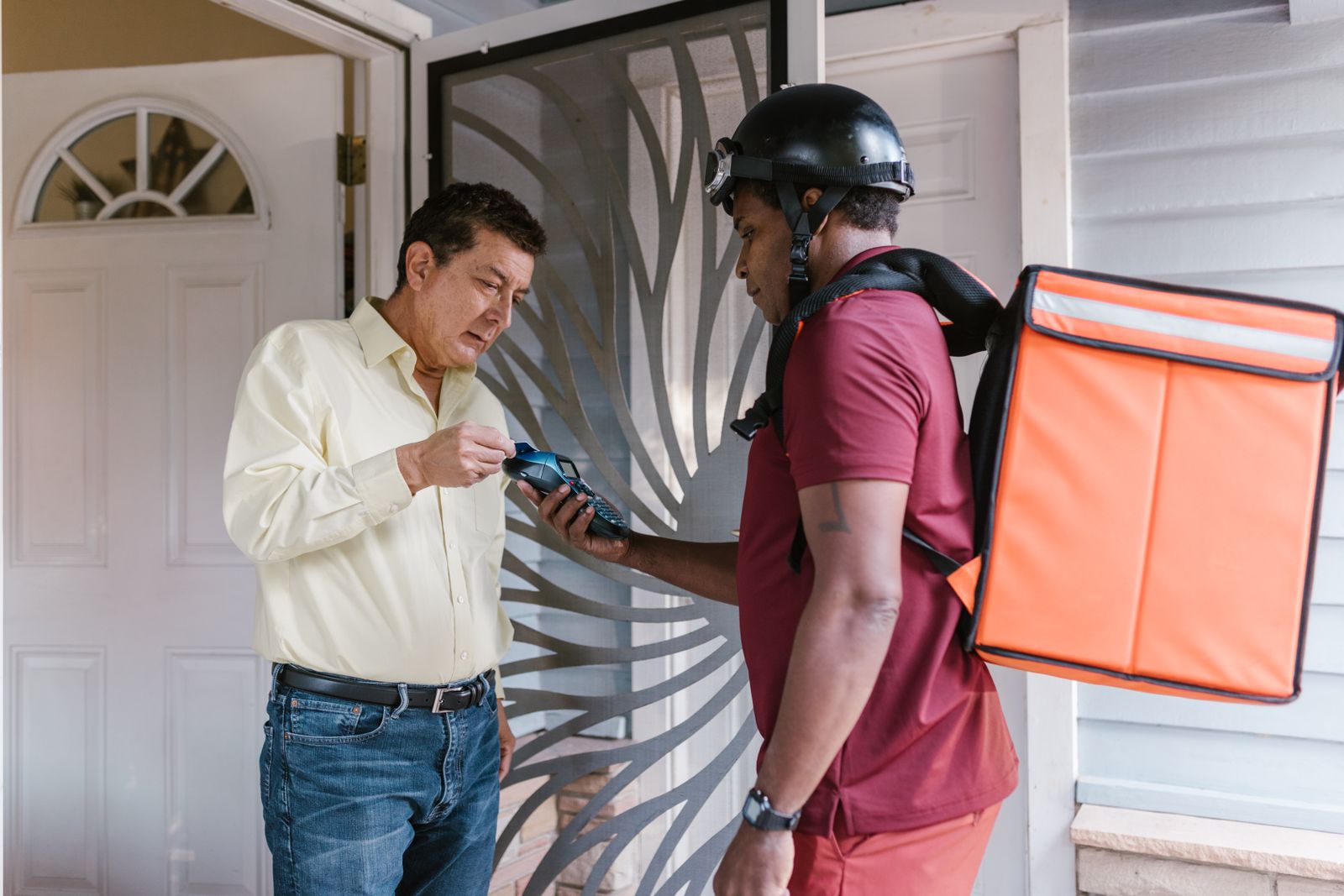
Later, when she pressed him, he tried the soft approach first. He said he’d done “a couple runs” on DoorDash, just to make extra cash, and it was no big deal. When she asked why he didn’t tell her, he said he didn’t want her to “stress” and that it was basically the same as borrowing her car for errands.
She pointed out that an errand isn’t doing multiple deliveries, idling in drive-thrus, and racking up miles all night. He got defensive, insisting he was “providing” and trying to be responsible. The more he framed it like a noble hustle, the more obvious it became that he was trying to make her feel petty for caring.
Then she hears the part about his friends driving it
The DoorDash thing would’ve been enough on its own, but it didn’t stop there. She asked a simple question: “So it was just you driving it?” He answered too quickly—“Yeah, obviously”—and then immediately started talking faster, listing how careful he was, how he parked far away from other cars, how he never sped.
That’s the kind of over-explaining that makes a person go cold. She asked again, slower, and watched his face. He rolled his eyes and said, like she was being ridiculous, that once or twice he’d let his friend take it because his phone was dying and they “didn’t want to lose the dash,” or because he’d had a drink and didn’t want to drive.
“It was literally around the block,” he said, which wasn’t even the point. The point was that someone she didn’t know well had been behind the wheel of her car, with her insurance, her liability, her name attached to whatever happened. He acted like she should be grateful his friend didn’t drive drunk, as if that was the only standard that mattered.
She asked how many times. He said he didn’t know. She asked which friends. He said she was making it “a whole thing.” That’s when she realized he wasn’t ashamed of what he’d done—he was annoyed she’d noticed.
The oil change becomes the flashpoint
A few days later, she stopped by a quick lube place because her dashboard reminder had been on longer than she liked. She wasn’t reckless with maintenance; she was just busy, and she’d been trusting that the car was getting the same gentle use it always had. The technician came back with that careful, non-alarming voice people use when they’re about to alarm you.
Her oil was dark and low. Not “you’re due” low—more like “when was the last time you changed this?” low. He mentioned the mileage since the last service, and her stomach did the math before her brain fully caught up: the car had been driven far more than she’d put on it.
That night she brought it up calmly, because she wanted to see what he’d do with a straightforward fact. She told him the oil hadn’t been changed when it should’ve been, and the mileage didn’t line up with her driving. His face did this performance of surprise—eyebrows up, mouth open—like the idea was brand new.
“What? No way,” he said, and then tried to pivot into blaming the shop, or the car, or the reminder system. When she reminded him he’d been using it for deliveries, he switched tactics and acted offended, like she was accusing him of trying to ruin her car. He kept saying, “I didn’t know,” as if the concept of maintenance only applies when a person is emotionally prepared for it.
She asked the simplest question possible: if he was going to put delivery miles on her car, why wasn’t he paying for the maintenance? His answer was a mess of half-logic. He said he was making money “for them,” that he put gas in it sometimes, that he would’ve changed the oil “eventually,” that she was acting like he’d committed a crime.
She didn’t yell, but she got very quiet, which he seemed to interpret as him winning. He kept talking, trying to smooth it over with jokes and a casual arm around her shoulders, like the vibe was the real problem. When she stepped away and asked for her key back, his whole demeanor changed—hurt, then angry, then suddenly bargaining.
He promised he’d stop DoorDashing. He promised he’d pay for an oil change, like it was a generous favor and not damage control. He even tried to flip it into a trust conversation, asking why she was “keeping score” and acting like he couldn’t be trusted with “one little thing.”
But she couldn’t unsee what she’d seen: the casual entitlement, the way her property became communal the second she wasn’t watching, the way he only cared when it inconvenienced him. The oil wasn’t really the point; the oil was just the moment she finally had something concrete enough that he couldn’t laugh it off.
She took her keys, drove home, and left him sitting there with his hands spread like he’d been wronged. He kept texting apologies that turned into defensiveness halfway through, the kind of messages that start with “I’m sorry” and end with “but you’re being unfair.” And the tension hanging over everything wasn’t whether he’d pay for an oil change—it was whether she could ever trust him again when he’d already shown how easily he could treat her boundaries like a suggestion.