

Buying a truck for the first time is exciting, but buying one for a business adds a whole extra layer of thinking. Payments, taxes, bank relationships and what the vehicle will actually haul all come into play. @kevtrainhard recorded his first truck purchase the same day he drove it home, and he laid out the reasoning behind choosing a used 2021 Nissan Titan over the priciest new model on the lot.
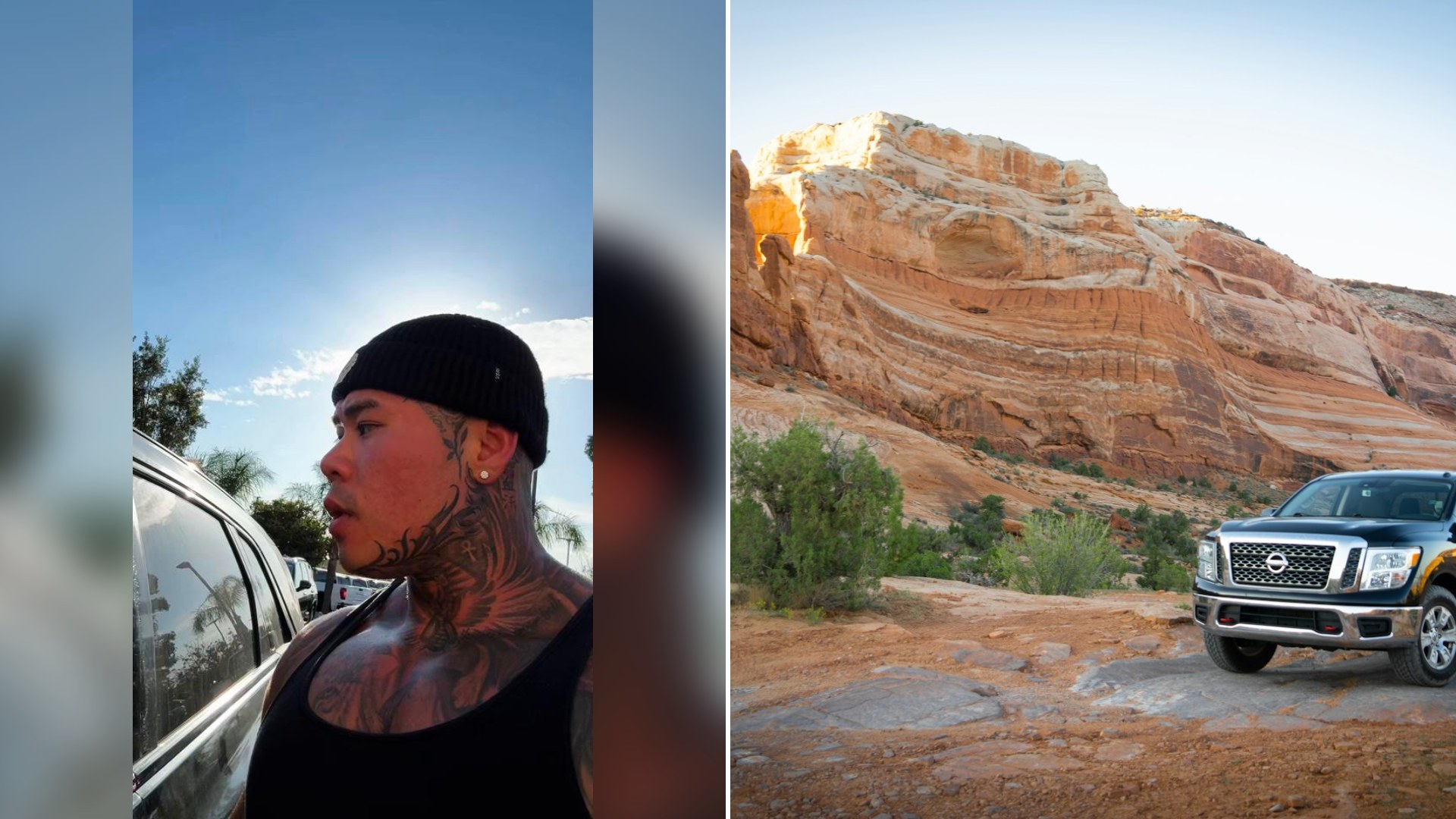
He came to the dealership together with someone else, so one could drive the car home and the other could bring home the truck. He jokes about how dirty the outside of his car is, then shows off the Titan and says plainly that he did not buy the most expensive new truck. He picked a used one with some miles on it, and he had specific reasons.
@kevtrainhard
Why this truck made sense for his business
The truck is for his company, and he wanted something reliable and less expensive. He gave two requirements that narrowed the choices. First, the truck needed a gross vehicle weight rating over 6,000 pounds, which he says matters for tax write off purposes since it is a business purchase. Second, it needed to be newer than six years old so it would work for business bank financing.
Put together, those rules led him to the 2021 Titan. He summed it up as a decision based on reliability, function, utility and the bank’s financing requirements. In his caption he adds that he is working on building business credit with his bank, hoping that in a couple of years the relationship will be strong enough for the bank to lend more as his company grows. A well handled truck loan, in his view, helps build that trust.
He is careful not to oversell the tax angle. A write off, he explains, does not make the truck free. It only means you do not get hit quite as hard by taxes. That is a healthy way to look at it, and it is a reminder that a deduction only returns a portion of what you spend.
What he plans to use it for
He says he never considered himself a truck guy, but as he got older and his business grew, he realized he needed one. He mentions that a hundred dollars at the pump did not completely fill the tank, a familiar shock for anyone moving up from a sedan.
The plans are ambitious. He wants to set up a large booth at fitness expos, including events in Los Angeles and Anaheim and possibly in other states, which means pulling a trailer and hauling equipment. He also expects to be carrying gear constantly for his business. When he eventually leaves his current oil field job, he plans to take on bigger photo shoots, video shoots and commercials.
One idea he floated is a small travel trailer or RV that could double as a production office, with a place to keep camera equipment, a shower, a microwave and a bathroom, plus a changing room for the models who shoot with his company. That would make it possible to work three hours out in the desert or at some other scenic location without losing a day to travel.
The comfort factor
He had some fun describing the ride. He called it like driving on a cloud, with wide seats and a smooth feel over bumps. After years in sedans and a recent upgrade to an SUV, he says he does not think he can go back to smaller cars, especially after squeezing into his girlfriend’s Honda Civic. He likes having room to spread out. It took about two hours to get home, and it sounds like he enjoyed every mile.
Lessons for anyone buying a work truck
Whether or not you run a business, there is plenty to take from his approach.
Buying used is often the best value. New vehicles lose a large share of their value in the first few years, so a truck that is a couple of years old can deliver most of the capability for noticeably less money. A vehicle history report and a pre purchase inspection protect you from surprises.
Match the truck to the work. Before you shop, write down what you will tow or haul, how often, and how far. Towing capacity, payload and bed size vary a lot between models and trim levels, and the numbers on the door sticker tell you what a specific truck can safely handle.
Understand the tax rules before you count on them. Rules about vehicle weight, business use percentage and depreciation are specific and change from time to time. If you are buying for a business, talk to an accountant or tax professional before you sign anything, and keep good records of business mileage.
Think about financing early. Lenders often have age and mileage limits for commercial or business vehicle loans, which is exactly the kind of requirement @kevtrainhard says shaped his choice. Ask your bank about those limits before you fall in love with a particular truck.
Plan for the running costs too. A bigger vehicle means more fuel, larger tires, higher insurance in some cases, and pricier parts. Add those to the monthly payment when you work out the true cost.
His purchase is a good example of letting practical requirements guide the decision instead of the badge or the price tag. A reliable used truck that fits the business and satisfies the bank may not be glamorous, but it is the kind of choice that tends to pay off.