

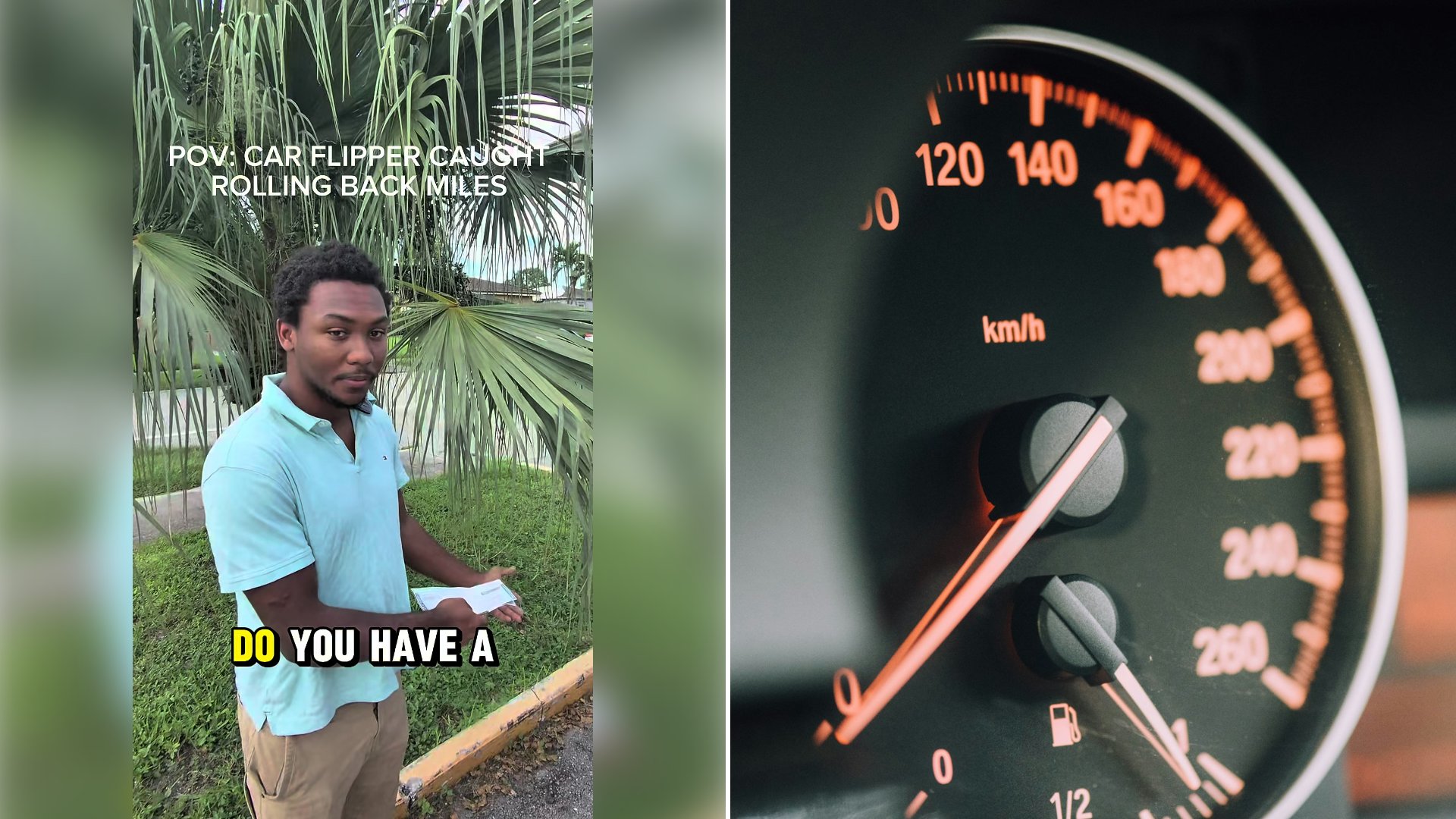
Buyer @mateoflips walks through exactly how he caught a shady private seller in the act. What starts as a routine look at a used car listing turns into a real time fraud investigation on camera, as he lines up evidence that the odometer reading does not match the car’s actual history. Then comes the second red flag, arguably the bigger one: the title being presented for the sale is not even registered in the seller’s name, meaning the person trying to collect payment is not the legal owner of the vehicle at all.
The clip resonates because it hands viewers a playbook rather than just a warning. Instead of simply saying private sales can be risky, it shows the specific documents and discrepancies that exposed the scam, which is exactly the kind of practical detail that turns a viral moment into something genuinely useful.
@mateoflips
Odometer fraud is a bigger problem than most buyers assume. The National Highway Traffic Safety Administration has estimated that odometer rollback schemes cost American car buyers well over a billion dollars annually in inflated purchase prices and hidden maintenance needs. Digital odometers make the fraud harder for an untrained eye to spot than the old mechanical rollback method, since specialized tools can reprogram the stored mileage value directly in a vehicle’s computer module without leaving obvious physical tampering marks on a dashboard cluster.
Catching rollback fraud generally comes down to cross referencing the number on the dash against independent records. A full VIN history report from a service like Carfax or AutoCheck pulls mileage readings logged at prior title transfers, state inspections, insurance claims, and service visits, and any sudden drop or inconsistency in that timeline is a reliable tell. Worn pedal pads, a steering wheel with heavy shine, or interior wear that looks far more advanced than the claimed mileage are the physical clues buyers can check in person before ever running a report. On the title side, buyers should always confirm the name on the title physically matches the ID of the person signing it over, since a mismatch, as in this video, is itself a separate red flag that can mean a stolen vehicle, an unresolved lien, or a straw seller trying to offload a car they do not legally control.
The safest private sale process treats both checks as mandatory, not optional. Run the VIN before agreeing to see the car in person, confirm the title holder’s name against a government ID at the meeting, and consider finalizing the transfer at a notary office or local DMV rather than a parking lot, since many states allow or require notarized sales specifically to prevent exactly this kind of title mismatch fraud. Walking away the moment a seller cannot explain a title discrepancy, no matter how good the price looks, is the one rule that protects buyers every time.
More from Steel Horse Rides
- Buyer Catches a Facebook Marketplace Car Flipper Rolling Back the Odometer and Says the Title Was Not Even in His Name, Then Warns Other Shoppers
- Buyer Says the Seller’s Photos Made a Black Kia Sorento Look Clean, Then Finds Scratches on Almost Every Panel When It Arrives and Passes on the Deal
- Buyer Pays About 2,000 Dollars for a BMW 328i Convertible Off Facebook With a Dead Roof, Chases Fuses, Switches and Airbag Codes, and Ends on a Listing Marked Sold